Bringing International Education to Georgia: Sahar Harb's Edupreneurial Vision
Opinions expressed by Entrepreneur contributors are their own.
You're reading Entrepreneur Georgia, an international franchise of Entrepreneur Media.
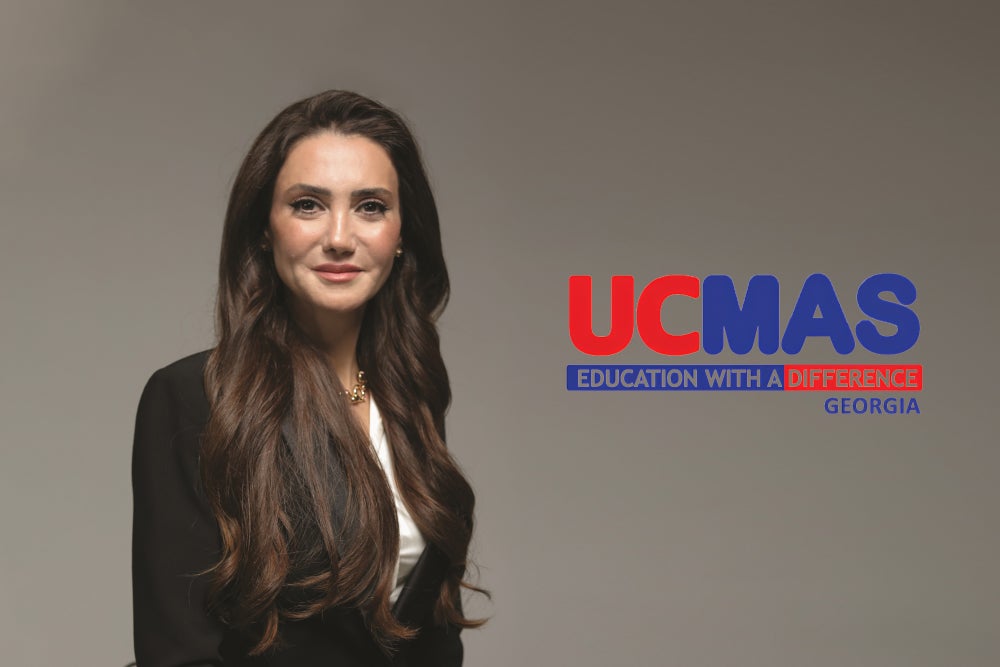
What began as a small project gradually turned into a defining chapter of Sahar Harb's life. When she first came to Georgia, she found more than a place to develop a business. The country's welcoming environment, natural beauty, pleasant climate and sense of safety offered the conditions to build a life here. At the same time, she recognized an opportunity to pursue something she had envisioned long before arriving in Georgia: building a career in education and creating opportunities for children.
Her interest in the field dates back to her teenage years. At just 15, Harb was already imagining a future in education, with an ambition that extended beyond an individual career. She wanted to create something of her own, something that could reach more children and make a meaningful difference in their lives. Years later, becoming a mother gave that ambition a new dimension.
"Education became deeply personal. I began thinking about the opportunities I wanted for my own child and what it would take to make those opportunities available to others," she recalls.
That shift in perspective eventually translated into action. Rather than limiting her ambitions to her own family, Harb decided to build an educational initiative that could benefit a wider community. This led to the establishment of Smartman, through which she introduced UCMAS, an international abacus-based mental arithmetic program for children, to Georgian society.
The choice of the program reflected her conviction that a strong educational foundation begins early in life. But introducing a new educational concept to a market also meant understanding the people it was intended to serve. In her conversations with Georgian families and educators, Harb found a shared commitment to children's education and the willingness to explore additional ways of supporting their development.
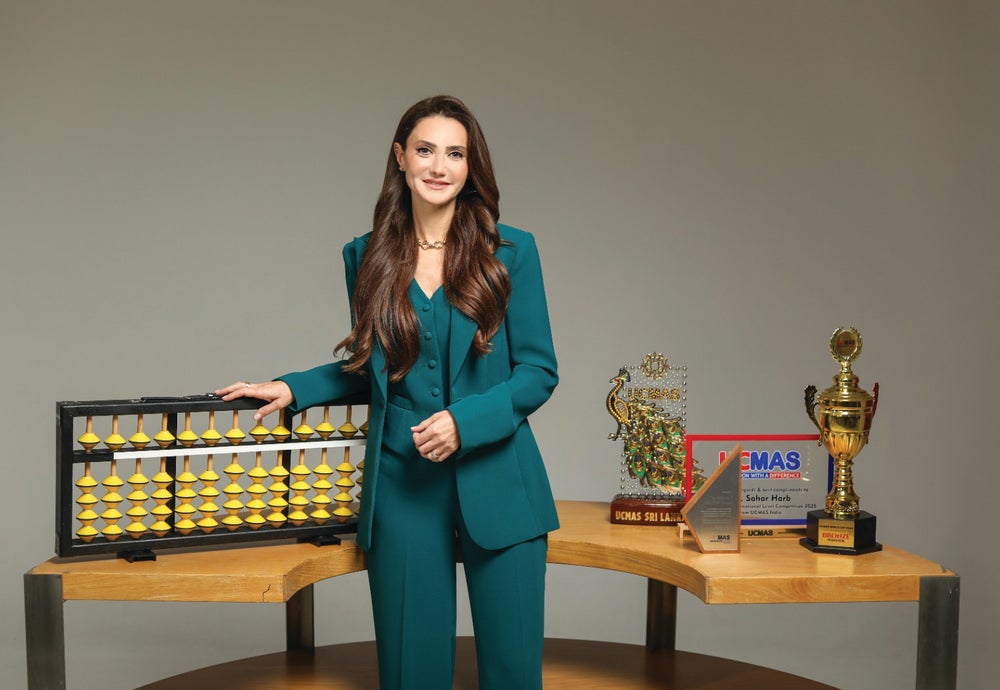
She identified an opportunity to complement them. Smartman's initial approach was built around cooperation: establishing trust from parents, supporting educators and creating engaging learning experiences through which children could recognize their own abilities. As Harb explains, understanding families' expectations and demonstrating the value of the programs through children's actual experience were essential to building those relationships.
For Harb, this balance between educational purpose and business development is at the heart of being an edupreneur. Entrepreneurship offered her the means to build and expand an organization, but education remained the reason behind it. UCMAS was the first step; as Smartman developed, so did her ambitions. Engineering and robotics became part of the company's broader educational offering, opening up new ways for children to discover their interests, develop practical skills and explore different fields.
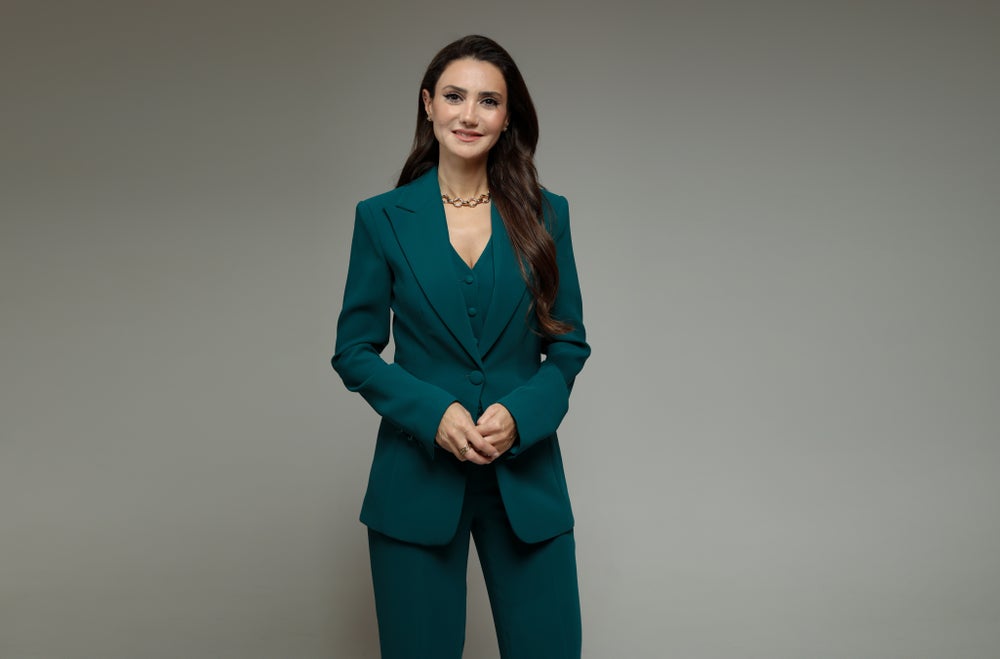
"I was drawn to entrepreneurship, but the purpose behind the business mattered just as much as its success. I wanted education to be at the heart of my journey," she says.
Harb's ambition is to help children move beyond simply understanding how technology works and become confident enough to experiment with it themselves. It is a natural extension of the vision that first brought her to Georgia: creating educational experiences that allow children to discover their potential, develop new skills and approach the future with curiosity and confidence.
Building trust before building the network
Winning the trust of the first families was one of the earliest challenges Harb faced when introducing UCMAS to Georgia. Although the program had an international background, it was still unfamiliar to Georgian parents, who needed to understand what it offered and whether it was worth committing their children's resources to.
Harb chose to let the experience speak for itself. The team began inviting families to trial classes, where children were introduced to the abacus and engaged in a variety of activities. Within an hour, parents could observe their children's reactions, see what they had learned and understand how the program worked in practice.
Rather than relying solely on explanations or the reputation of an international educational program, Smartman focused on demonstrating its value firsthand. Those initial encounters laid the groundwork for relationships that the company would continue to develop through consistent teaching, open communication and individual attention to each kid's progress.
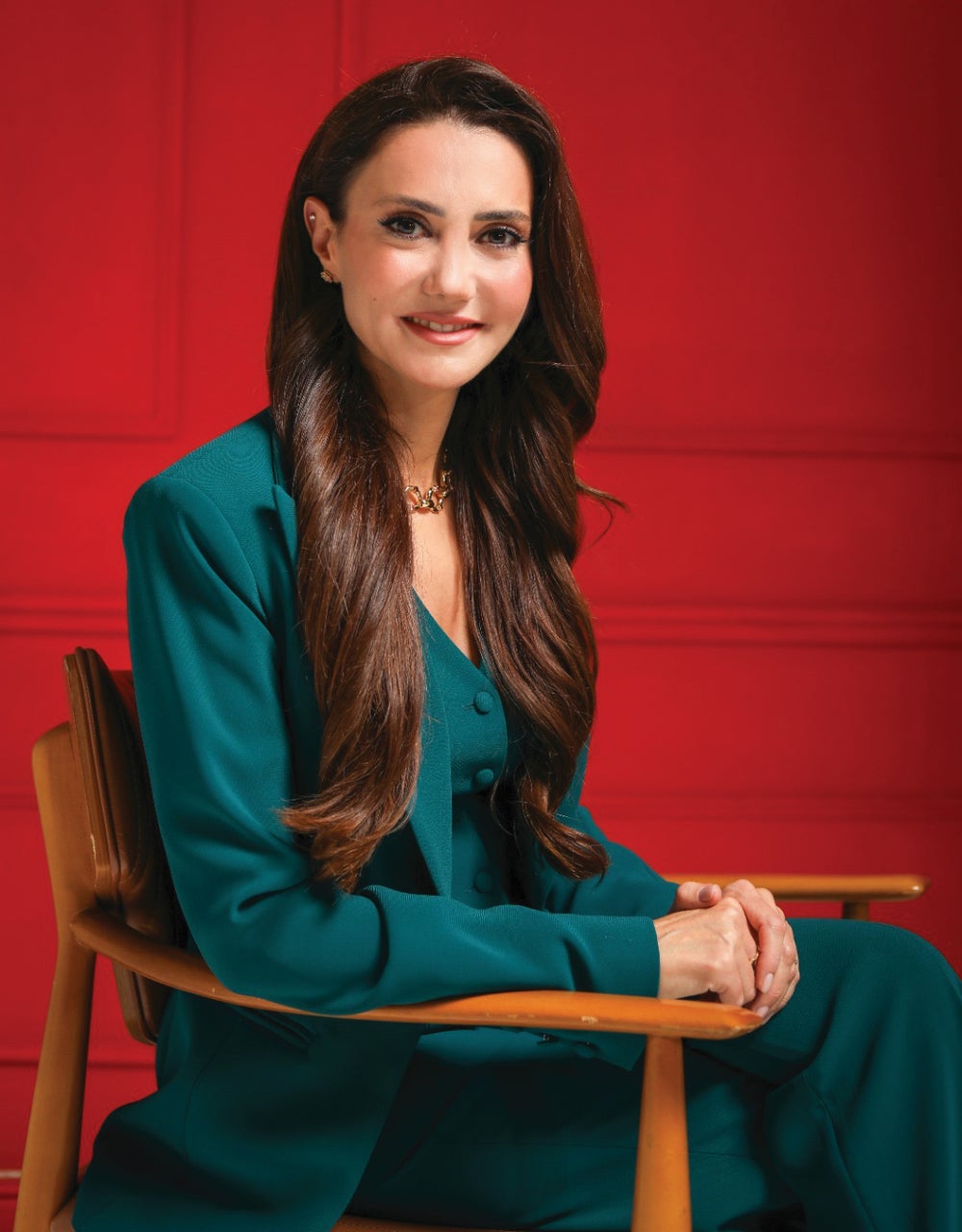
Looking back, Mrs. Harb considers this period to have been an important business lesson. Introducing something new to a market requires more than presenting an interesting idea; it takes time, patience and the ability to demonstrate results as well as it also requires investing in the people responsible for delivering the experience. Caring for the teachers' qualification and maintaining the quality of instruction became just as important as introducing the program itself for SMartman.
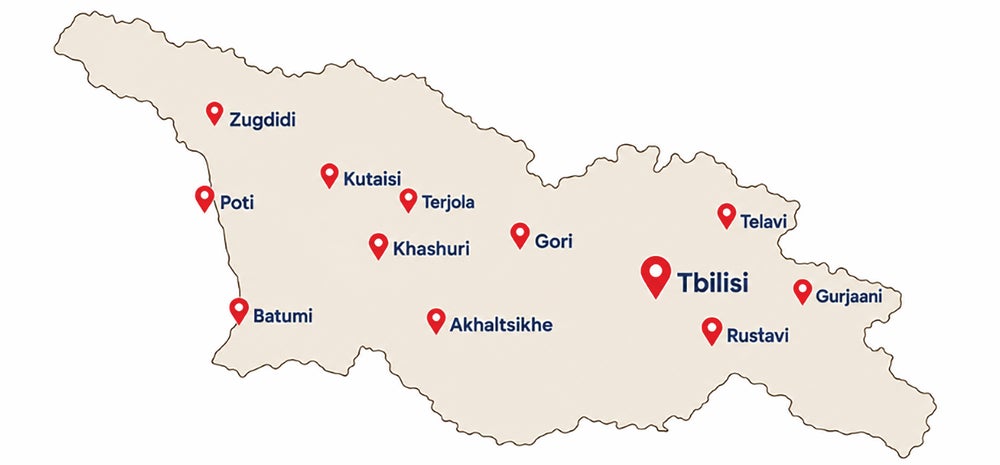
This approach has helped UCMAS grow beyond its initial presence in Tbilisi. The network operates in 12 Georgian cities and towns: Tbilisi, Batumi, Kutaisi, Rustavi, Gori, Poti, Zugdidi, Telavi, Gurjaani, Akhaltsikhe, Terjola and Khashuri. Behind this expansion is a network of local partners and teachers who have helped establish the program in their communities.
Two milestones, in particular, gave this growth an international dimension. In 2024, UCMAS students from Georgia achieved first- and second-runner-up placements at the international competition, demonstrating that children receiving their education locally could also distinguish themselves on an international stage. A year later, Georgia itself became the host country for the international UCMAS competition.
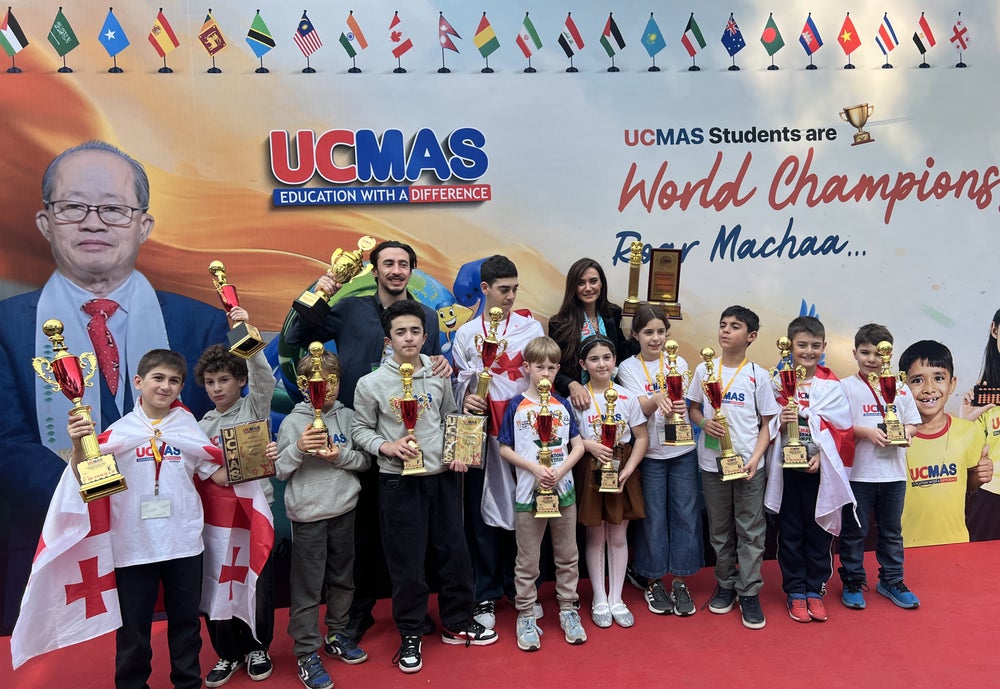
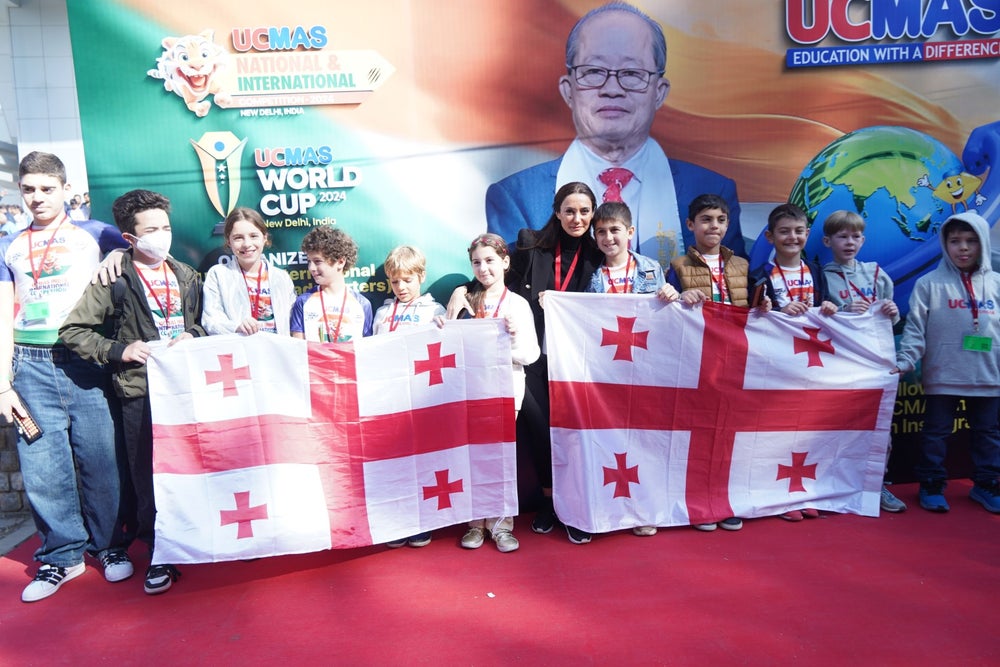 These achievements represented more than recognition of the organization for Sahar Harb. They demonstrated what could become possible when local educational initiatives connect children to international platforms and opportunities.
Expansion, however, has never been simply a matter of opening new locations. Harb emphasizes the importance of finding partners who share the company's vision and are equally committed to delivering its educational approach. Each new city, in this sense, represents not just a new market, but another community in which Smartman has to build relationships and earn families' confidence.
Local partnerships, Shared Ambitions
Expanding an educational network across 12 cities requires more than just a well-developed program. It also depends on the people who are ready to bring this program to their own cities and build a sustainable business around it. Thus, supporting local partners has become an essential part of Smartman's development strategy.
The company's involvement does not end with initial theoretical and practical training. Partners receive guidance and advice on how to present the benefits of the UCMAS program, build relationships with parents, and establish themselves in the local market with the help of the marketing team. The goal is to help them develop the skills necessary to manage both the educational and business aspects of their centers.
"My role is to help partners develop both as educators and as business owners. A sustainable centre needs high quality teaching, clear communication, and the trust of the families it serves," Harb explains to us.
She believes, however, that the real value of this model is best understood through the experiences of the people implementing it. Their motivations may differ, but they share a common conviction: Children's educational opportunities should not be determined by the size or location of the city where they live.
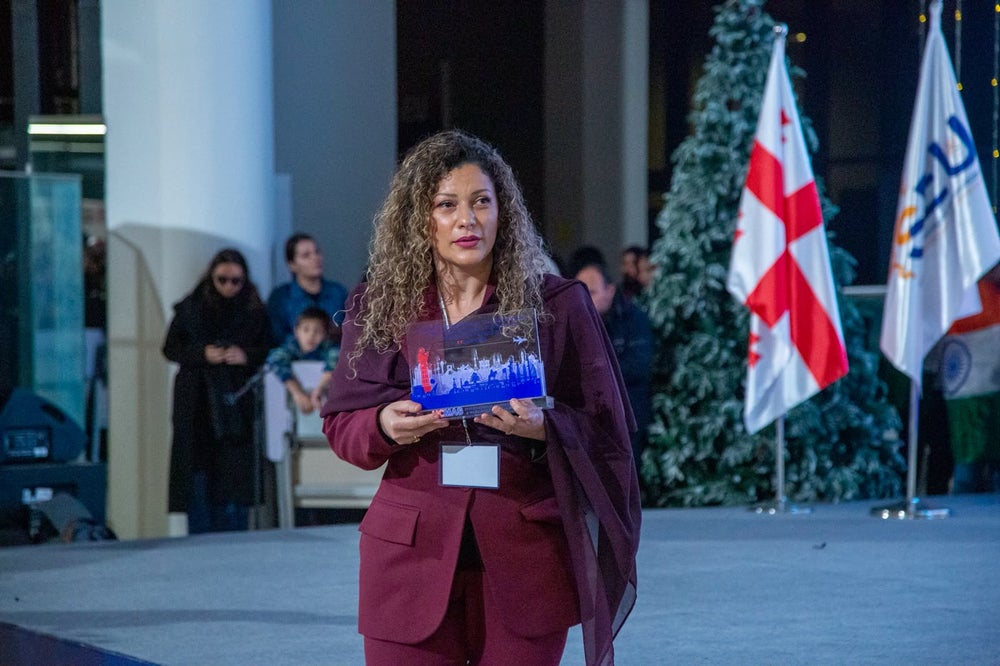
One example is Nino Gorgisheli, a Doctor of Philology and lecturer at Gori State University, whose professional life has long been connected to education and the development of future generations. Her decision to introduce UCMAS in Gori grew naturally from these professional and personal values. This opportunity was not just about establishing another educational center, but about offering an international curriculum and opportunities to children living in their own city.
"Education, for me, is not only a profession, but also a means of continuous development, creating new opportunities and contributing to society's progress," she says. She believes that every child has considerable potential, and that the responsibility of educators is to create an environment in which those abilities can emerge and develop.
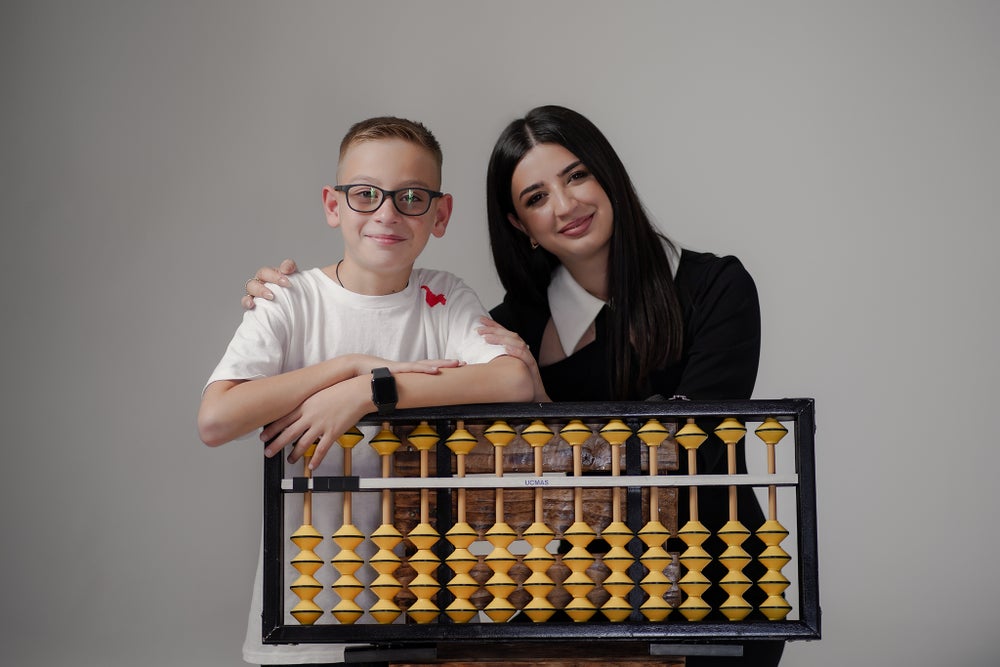
A similar conviction motivated Mariam Shonia to establish UCMAS in Poti. Her ambition was to give children in the coastal city access to opportunities that are often more available in larger urban centres. She wanted them to understand that geographical location should not limit their aspirations or prevent them from competing internationally.
This dedication by Mariam Shonia became especially evident when she decided to fully fund the trip to an international competition for Davit Intskirveli, the winner of the local qualifying round. By covering travel, accommodation, and participation expenses, she gave the child the opportunity to represent a small town on the international stage.
"I have always believed that living in a big city is not a prerequisite for fulfilling big dreams. Every child growing up in a region deserves the opportunity to showcase their talent and skills on an international level," says Mariam Shonia.
For her, David's participation carries significance beyond an individual achievement. She hopes his experience will encourage other children to believe in their abilities and pursue ambitions that may initially seem out of reach.
"I want children of Poti and other regions of Georgia to never be afraid of dreaming big, because I believe opportunities have no geographical boundaries," she adds.
The same motivation led Tinatin Vardidze to introduce UCMAS in Akhaltsikhe. For her, bringing the program to the city was about ensuring that children in the regions have access to the same quality of educational opportunities as their peers in larger cities.
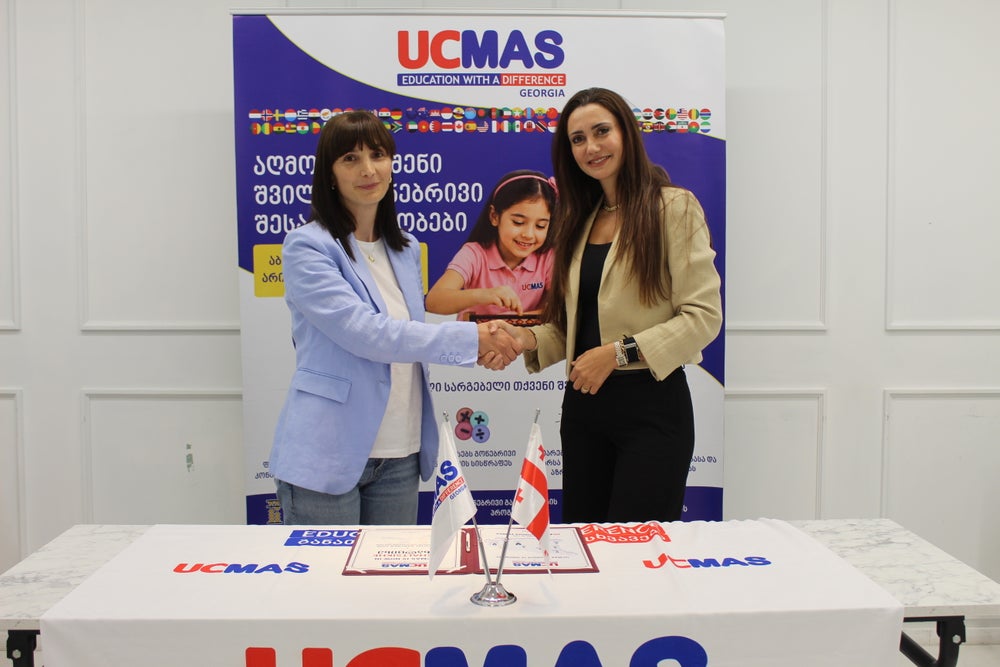
"UCMAS is a space of new opportunities for our children. I wanted an international program like this to be accessible in Akhaltsikhe, too. Innovative educational opportunities are often associated with larger cities, but I believe children growing up in the regions should have access to the same quality programs and opportunities for development," she explains.
Opening the center, she says, meant more than establishing a new educational business. It was an opportunity to create a place where children could learn, play, develop their abilities and gradually become more confident. Seeing the first results in their everyday progress has been particularly rewarding: it shows her that the idea behind the initiative is already making a difference.
These experiences illustrate another dimension of Smartman's business model. Local partners are not simply extending the company's geographical reach; they are adapting its educational mission to the needs and aspirations of their communities. Their work also demonstrates how entrepreneurship can become a means of addressing an important social question: how to make quality educational opportunities accessible to children regardless of where they live.
Bringing an international program into schools
Beyond its network of local centers, Smartman also ensured that UCMAS became accessible within the school environment. The first partnership was established in 2019 with the British International School, whose leadership viewed the program as a valuable addition to extracurricular activities and supported Sahar Harb's vision. This collaboration paved the way for partnerships with other educational institutions, including British Georgian School, École Française, Saduni School, European School, New School, Buckswood, St. George's, AIA-GESS, Promethe, Andria Razmadze Kutaisi Physics and Mathematics Public School No. 41 and Public School No. 30, Niko Nikoladze School-Lyceum, Intellect, and Akademos.
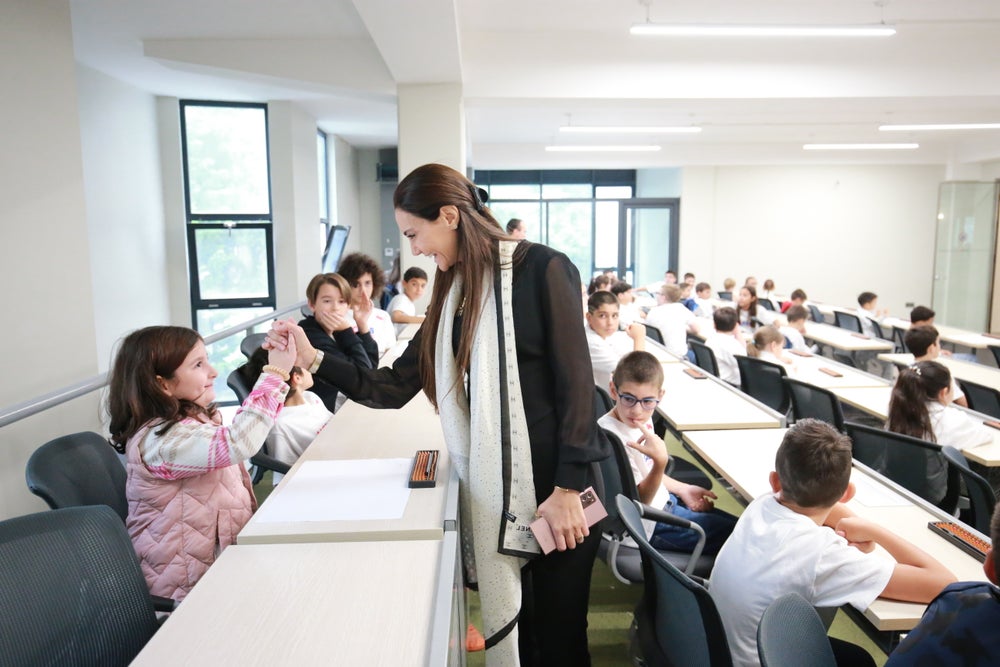
Through these collaborations, students can participate in an international educational program without having to leave their familiar school environment. They also have the opportunity to earn UCMAS certificates and take part in competitions, connecting their classroom experience to a broader international learning community.
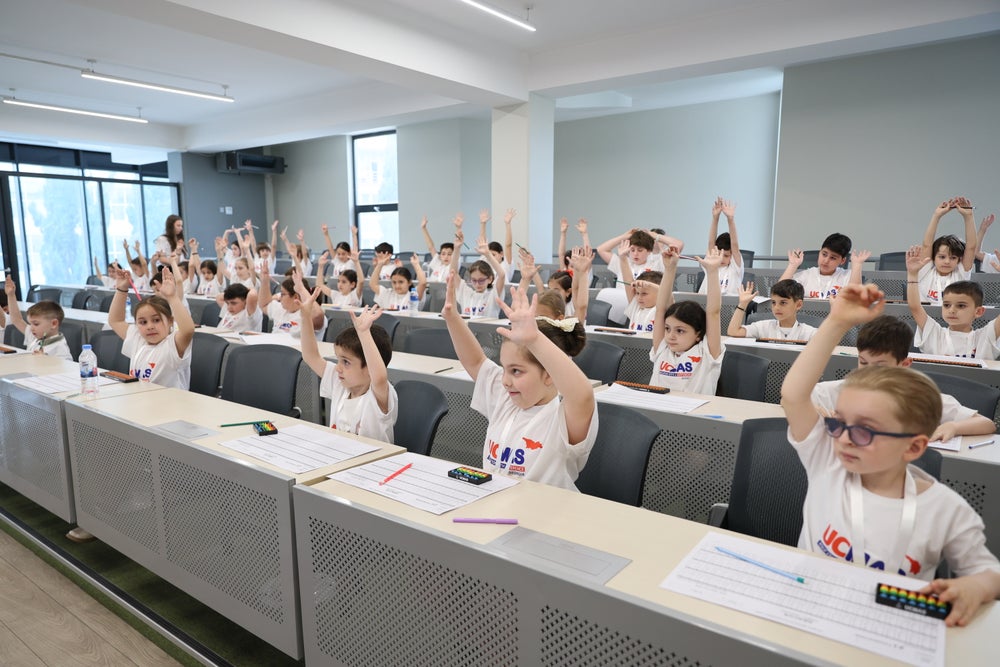
Establishing a partnership is only the beginning stage of a long term commitment. Maintaining the trust of school leadership, parents and students requires consistency in teaching, well-prepared instructors and open communication. The goal is to become a reliable educational partner whose contribution extends beyond simply offering another extracurricular activity.
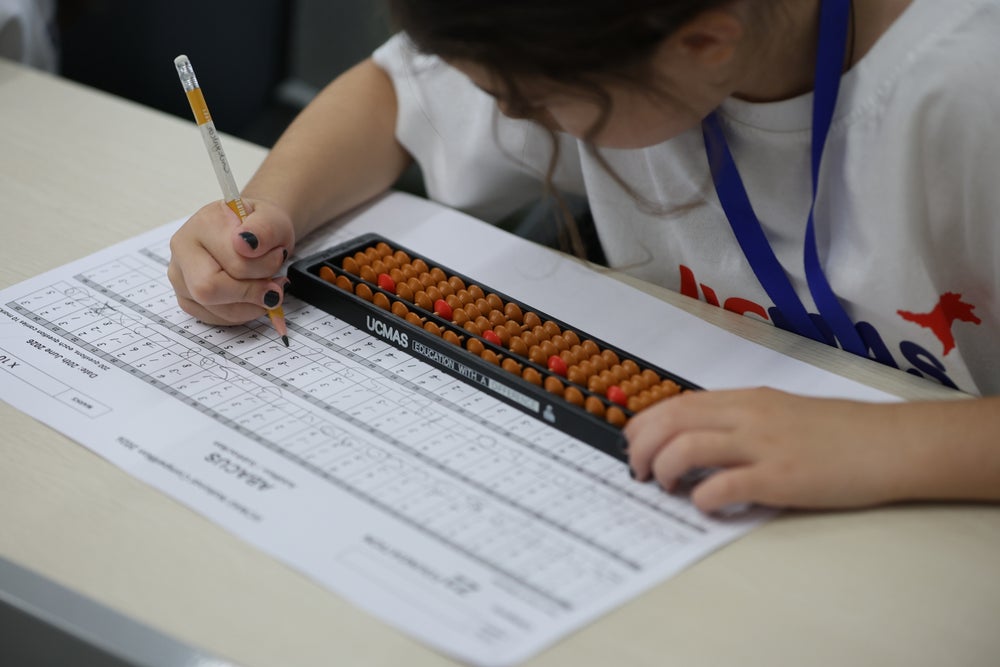
That consistency, particularly across a network operating in multiple cities and schools, depends largely on the people delivering the program. Smartman therefore places considerable emphasis on recruiting, training and developing its instructors. Candidates are selected for their commitment to education, patience and ability to connect with children. Beyond these personal qualities, professional preparation is essential: instructors must be certified and complete training for each of UCMAS's 11 levels as they progress through the program.
Teacher development does not end with initial certification. Smartman organizes two additional training sessions annually, led either by Sahar Harb herself or representatives of UCMAS headquarters, to strengthen teaching practices and introduce program updates. The company is also preparing to introduce a dedicated digital platform that will give both instructors and students additional opportunities for practice and support their progress.
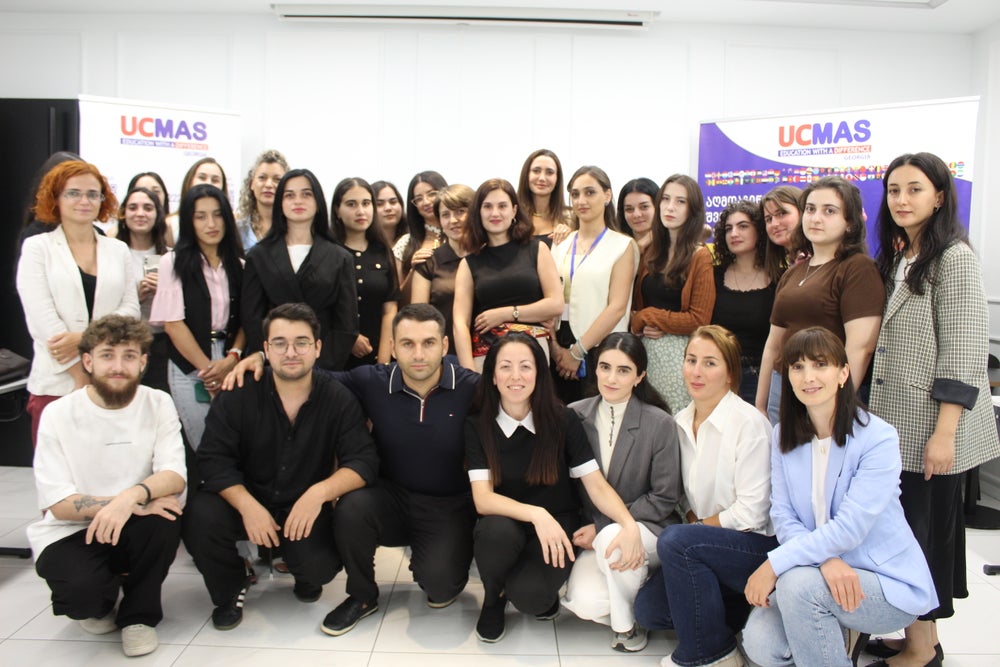
"As instructors qualify to teach further levels, they deepen their expertise and can take on greater teaching responsibilities. Supporting their growth is essential to maintaining the quality families expect from us," Harb explains.
Her emphasis on educational standards becomes particularly evident when she speaks about the decisions involved in expanding the business. At one point, Smartman faced a choice between opening a new location where families had already expressed interest and postponing the launch until a properly trained and certified instructor could be appointed. From a commercial perspective, opening sooner would have meant reaching more families and generating revenue earlier. Yet Harb decided to delay the launch. The decision meant postponing income and asking interested parents to wait, but she was unwilling to introduce the program without being confident in the quality of instruction.
"Parents are trusting us with their children's time and development. Accessibility matters, but it must come with quality," she says. For Harb, protecting that trust is not separate from building a sustainable business; it is one of its fundamental conditions.
This approach also shows how she leads the organization as it grows. With more locations, partners and instructors involved, Harb has gradually moved away from managing every operational detail herself. Scheduling, daily operations and local coordination are increasingly entrusted to the people physically closest to the work, allowing them to take ownership of their responsibilities.
Her own role, meanwhile, has become more focused on strategic direction, maintaining educational standards, developing the team and overseeing the commitments Smartman makes towards its partners and families. She sees delegation not simply as a way to manage a larger organization, but as an opportunity to develop future leaders within it.
For Harb, building an organization means creating an environment in which people have the clarity and confidence to make decisions, contribute their own ideas and grow professionally. The vision should not depend on one person managing every aspect of the business. It should be shared by the people responsible for bringing it to life.
Beyond mental arithmetic: developing the skills of tomorrow
How can an educational experience help the children develop confidence in their own abilities and approach learning with greater curiosity and determination?
UCMAS, the program through which Smartman first established its presence in Georgia, is based on abacus-assisted mental arithmetic. Children initially learn to perform calculations using a physical abacus and gradually progress to visualizing the instrument and completing calculations mentally. Lessons combine guided instruction, regular practice and engaging activities, allowing students to develop their skills progressively.
While arithmetic is at the core of the methodology, Harb sees its value in the broader learning experience. UCMAS complements school education by giving children additional opportunities to work with numbers, practice concentration and approach challenges step by step. The objective is not simply to improve calculation speed, but to help children understand the satisfaction that comes with mastering a skill through consistent effort.
The company's approach to evaluating progress reflects this distinction. Students' advancement through the program's levels, assessment results and competition performances provide measurable indicators of their developing mental arithmetic abilities, particularly accuracy and speed. Alongside these results, parents and teachers share observations about changes they notice in children's confidence, participation and persistence.
Harb is careful to distinguish between the two. While assessment results and competition records offer concrete evidence of academic progress within the program, feedback from families and educators provides a different, equally valuable perspective on individual experiences.
"For me, responsible educational leadership means being clear about both: what our records demonstrate and what families observe," she explains.
In her view, a student's development should not be measured exclusively through competition results. The progress of a child who once hesitated to participate but gradually becomes more confident in approaching a challenge can be just as meaningful.
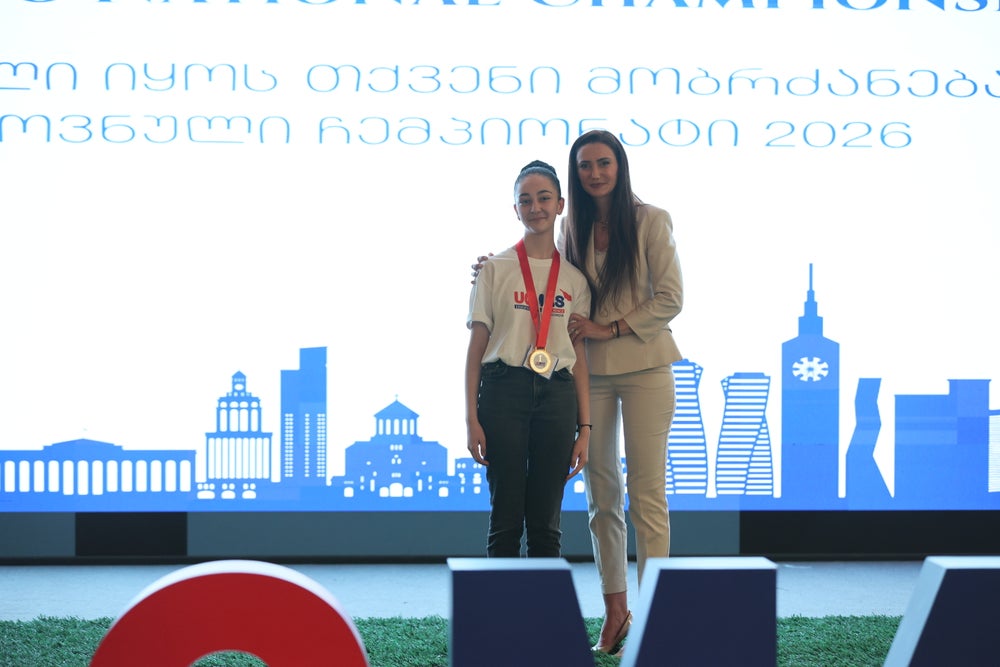
One student whose experience reflects this philosophy is Ana Avetisova. In 2026, Smartman sponsored her participation in the international UCMAS competition, giving her the opportunity to take the knowledge and skills she had developed through the program to an international stage.
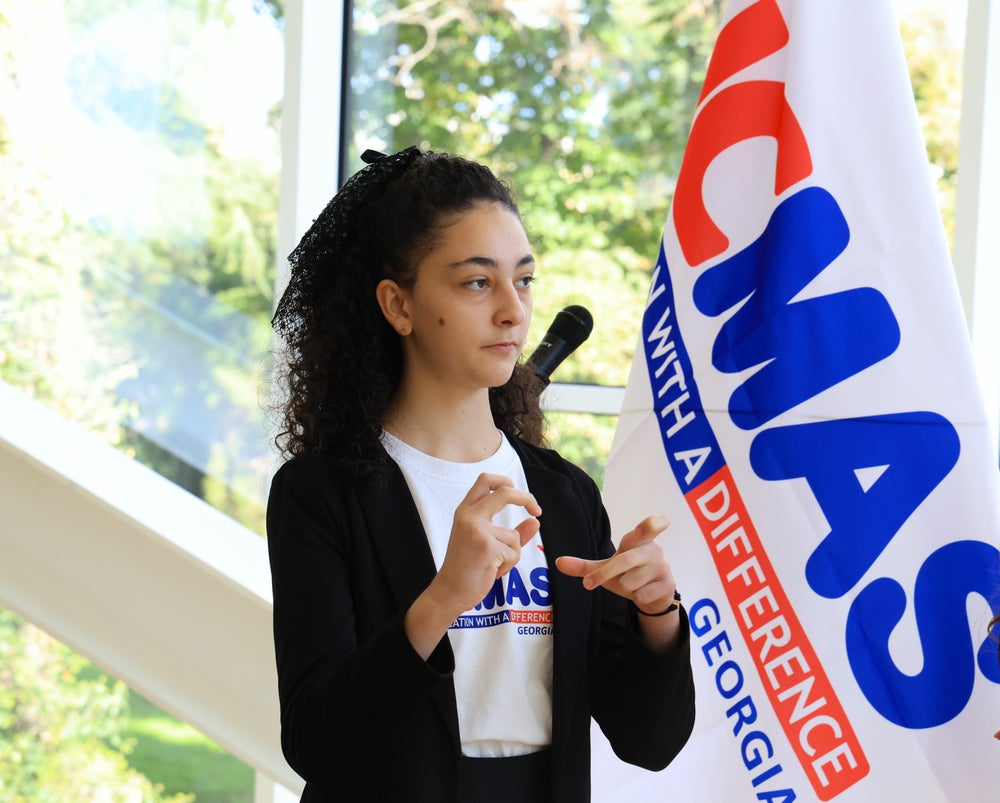 For Harb, supporting students in such experiences is an extension of the company's educational responsibility. It is about creating opportunities for children to test their abilities in new environments, challenge themselves and recognize what they can accomplish through preparation and effort. Ani's journey has reinforced Harb's conviction that the organization's role should extend beyond expanding its network of programs: it should also help individual students access opportunities that might otherwise remain beyond their reach.
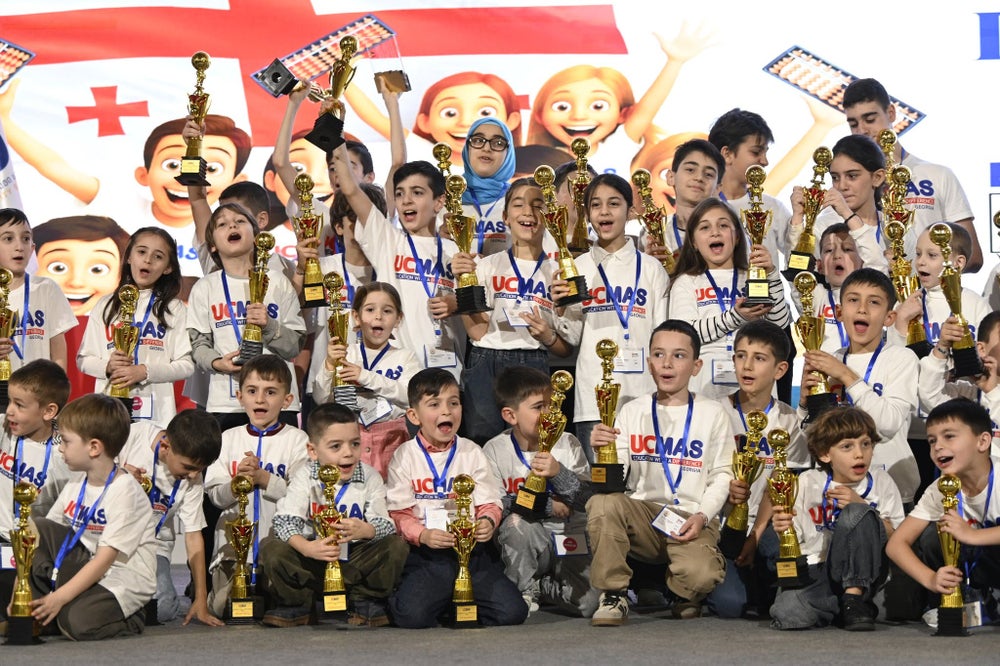
This philosophy is also reflected in Smartman's decision to establish annual national UCMAS competitions in Georgia. Within the international network, competitions are part of a shared tradition, bringing students together to celebrate their preparation and measure their progress alongside their peers. By introducing this tradition locally, Smartman has created another platform for children to set goals, experience healthy competition, learn to manage pressure and take pride in their achievements.
"We want every child to leave knowing that their effort matters, whether or not they take home a trophy," Harb says. The emphasis, therefore, is not exclusively on awards or rankings, but on the experience of working toward a goal and recognizing personal progress.
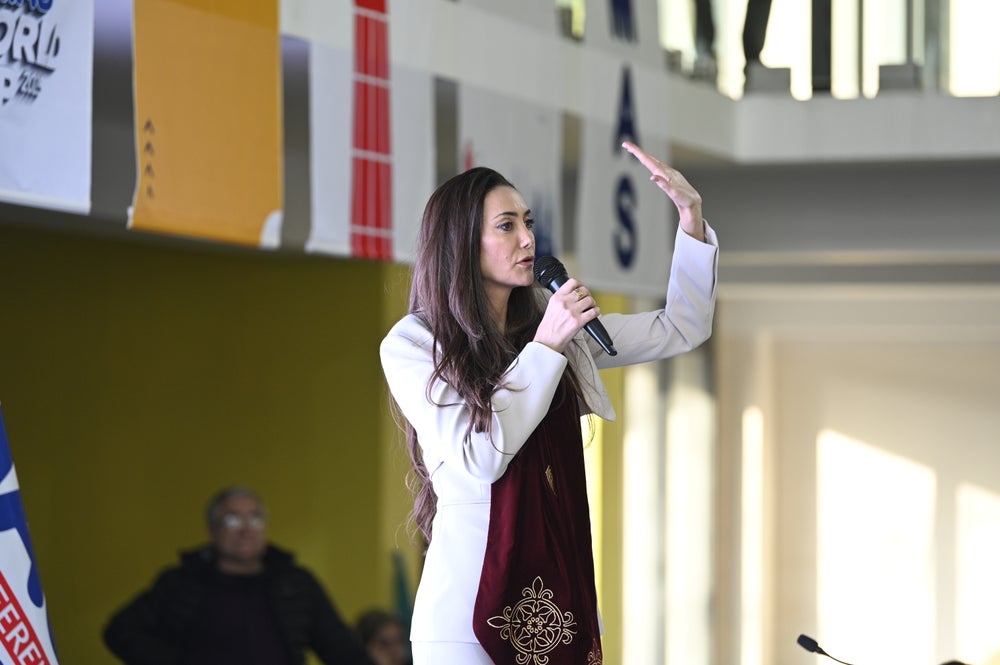
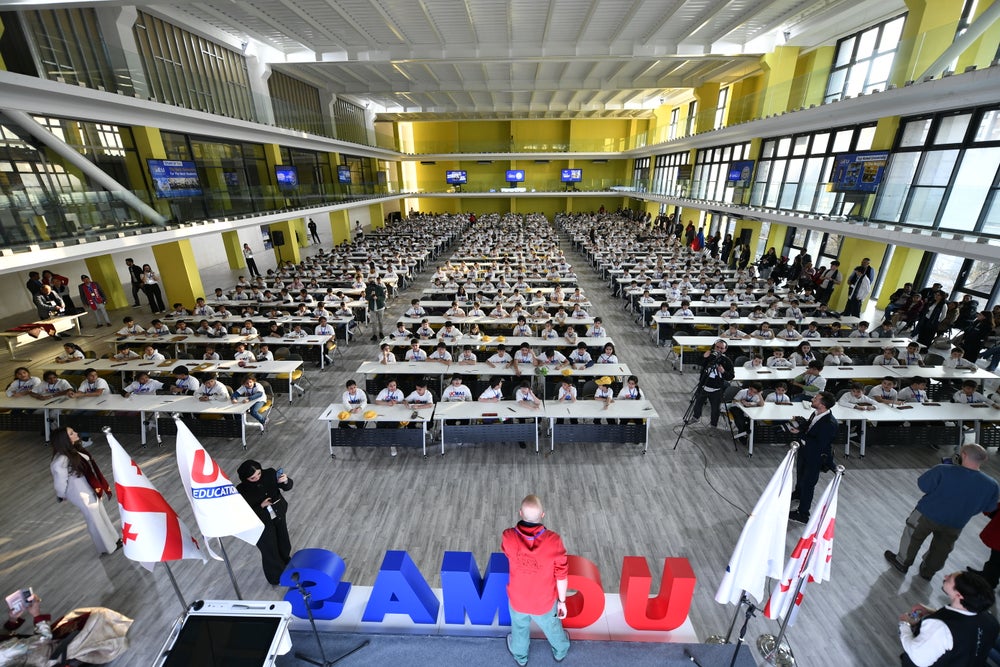
The international dimension of this educational community reached a new level in 2025, when Georgia hosted the international UCMAS competition for the first time in the Caucasus. For Smartman, the event represented recognition of six years of work developing the program in Georgia and an opportunity to bring the international UCMAS community to the country.
Turning the ambition into reality required a year of preparation, involving event planning, logistics, marketing and coordination with partners. Harb describes the process as a significant organizational undertaking, one that required bringing different stakeholders together around a shared objective. The event was made possible with the support of sponsors and partners, including Tbilisi Municipality and Georgian National University SEU, which served as the official host.
"I am grateful to everyone who believed in the event and supported us. Bringing the international UCMAS competition to the Caucasus for the first time was a proud moment for me: an opportunity to show what Georgia could offer and give our students an international experience at home," she recalls.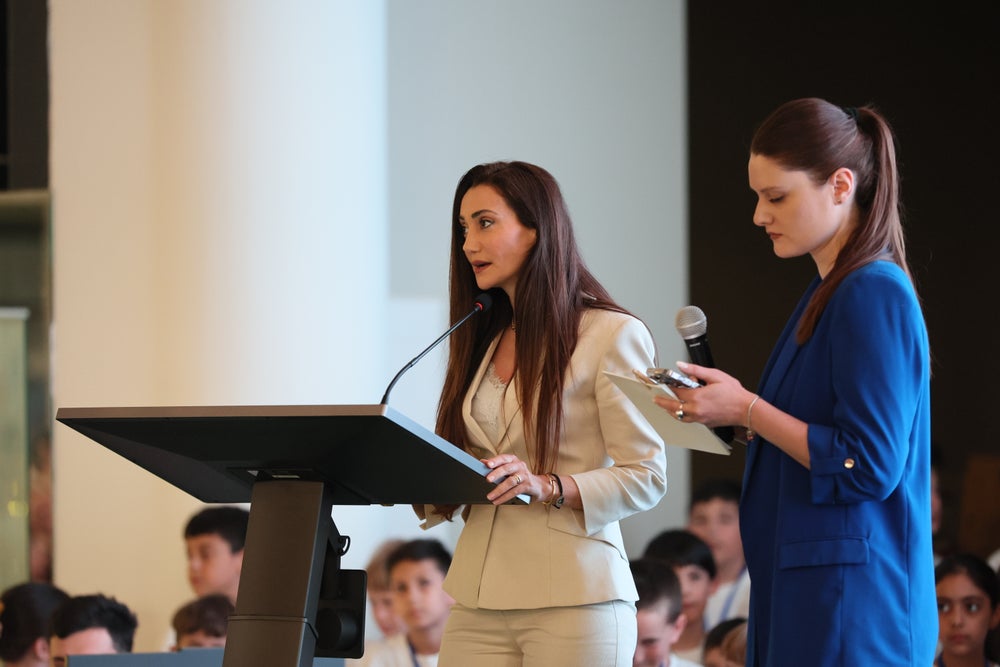
Beyond the competition itself, hosting an international educational event placed Georgia within a wider network of educational exchange and gave local students the opportunity to experience an international community without having to travel abroad. It was also a milestone in Smartman's development, demonstrating how an initiative that began with introducing one educational program could gradually create connections and opportunities extending far beyond its original scope.
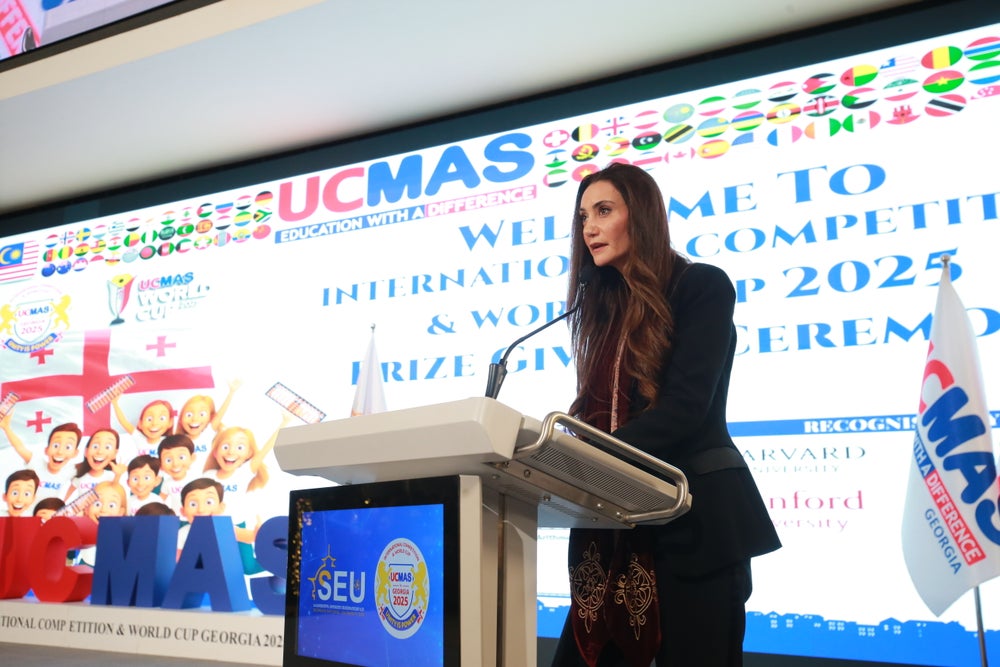
The experience also expanded Harb's understanding of leadership. Organizing an event of this scale required setting a clear direction, trusting others with responsibilities and maintaining focus while managing numerous decisions simultaneously. She emerged with greater confidence in her ability to lead ambitious projects, but also with a clearer understanding that successful leadership depends on empowering others to contribute.
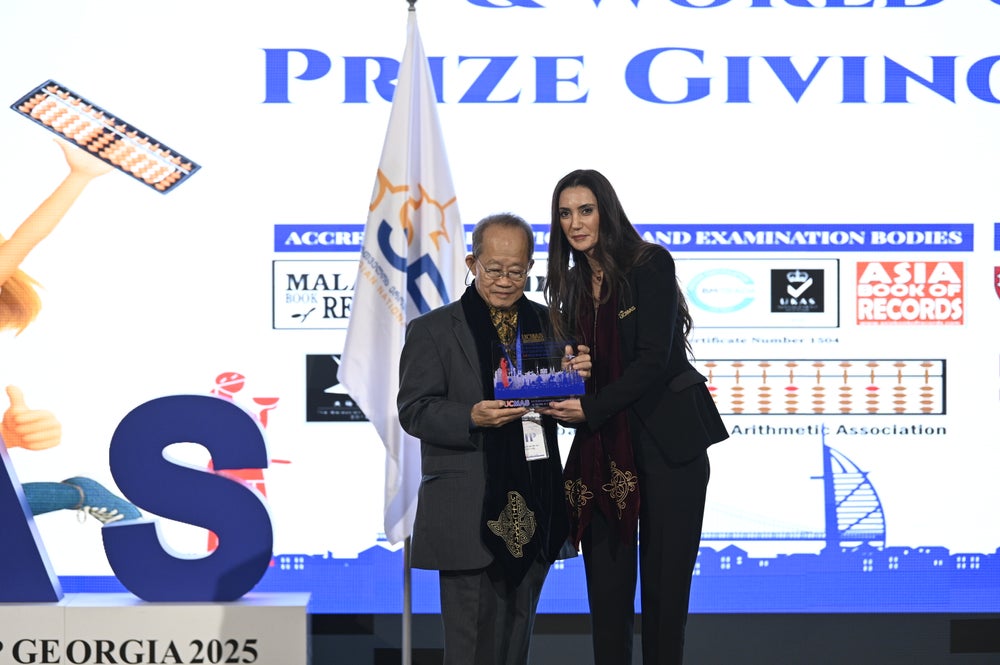
The international experience did not end with hosting the competition. In 2026, 17 students from Georgia will travel to Sri Lanka to participate in the UCMAS International Competition. Their preparation combines regular lessons with targeted practice, supported by their instructors and families. The business leader views this experience as a crucial part of children's development, whether it is navigating an unfamiliar environment, meeting peers from different countries, or putting their knowledge into practice in a stressful situation. These opportunities will help children realize that international platforms are not out of reach for them.
The next chapter: building an educational hub
As Smartman continues to expand its educational offering and strengthen its presence across Georgia, Harb is already thinking about what the next stage of development should look like. Over the next three to five years, one of her main ambitions is to establish a spacious educational hub that brings several international programs together under one roof. Envisioned as a place where children and young people can explore different interests, develop practical skills and work toward internationally recognized qualifications, the centre would represent a significant step forward in the company's development.
Her plans also reflect a desire to support students beyond their early educational years. With engineering, robotics and additional international programs in development, Harb wants Smartman's offering to evolve alongside its students, remaining relevant as their interests and ambitions change. Achieving this will require not only expanding the programs themselves, but also strengthening the team and partnerships that support the organization.
The existing network of 11 cities provides a foundation for this next stage, although Harb believes that geographical presence alone does not guarantee equal access to educational opportunities. Distance, affordability and the availability of qualified instructors all influence whether families can benefit from a program. Smartman's approach is therefore to deepen its support for existing locations, continue developing local partnerships and schools, and identify communities where additional resources could make participation possible for more children.
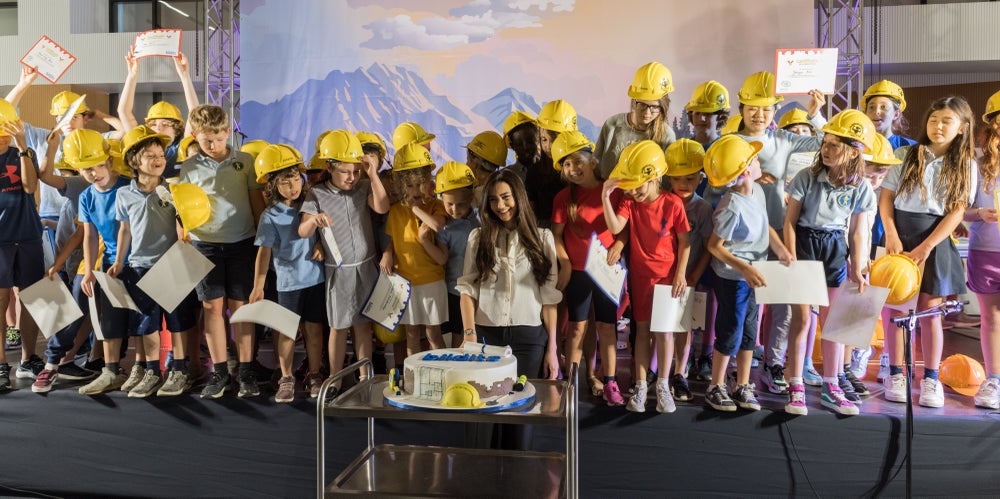
The principle behind this approach is straightforward: a child's opportunities should not be determined by where they grow up. She also hopes to build on the company's experience of sponsoring students for international competitions, making it possible for more young people to access experiences that broaden their horizons and connect them with peers beyond Georgia.
Yet, as the organization has grown, so has Harb's own understanding of what success means changed. The children, teachers and partners she has worked with have all influenced her perspective. Children have taught her to recognize the importance of small but meaningful steps: asking a question, trying again after a setback or finding the confidence to attempt something unfamiliar. Teachers have demonstrated how much such progress depends on patience, consistency and encouragement, while partners have shown her the value of a shared vision that allows others to take ownership and contribute their own ideas.
"Growth and awards matter, but so do the opportunities people gain through our work. As a leader, I now ask: Are students becoming more independent? Are teachers growing professionally? Do our partners have the support to succeed? Those answers tell me how well I am leading," she reflects.
This understanding also shapes the advice she would offer other entrepreneurs interested in building businesses around an educational or social purpose. For Harb, a meaningful idea must be supported by a viable business model if it is to create lasting value. Understanding costs, pricing responsibly, investing in people and protecting quality while expanding are not simply operational considerations; they determine whether a business can continue delivering on its purpose.
She particularly emphasizes the importance of proving a business model before scaling it, listening to customers and evaluating both financial performance and educational outcomes. A strong mission may inspire the initial idea, but it is sound business discipline that gives it the opportunity to grow and endure.
Ultimately, this combination of purpose and entrepreneurship comes together in the ambition that has guided Harb's journey in Georgia: opening doors to the world for the country's next generation. For her, this is not an abstract aspiration, but something that can be seen in individual experiences - a child in a regional city gaining access to an international program, a young person turning an idea into a working project, or a student representing Georgia abroad and discovering that they belong on an international stage.
When asked what she hopes her name will stand for years from now, Harb returns to the idea that has remained at the centre of her work: turning belief into opportunity.
"The recognition that would mean the most to me is someone saying: That experience helped me see what I could become."