
From Sakpatenti to Stockholm University: Mindia Davitadze on Intellectual Property and Innovation
Opinions expressed by Entrepreneur contributors are their own.
You're reading Entrepreneur Georgia, an international franchise of Entrepreneur Media.
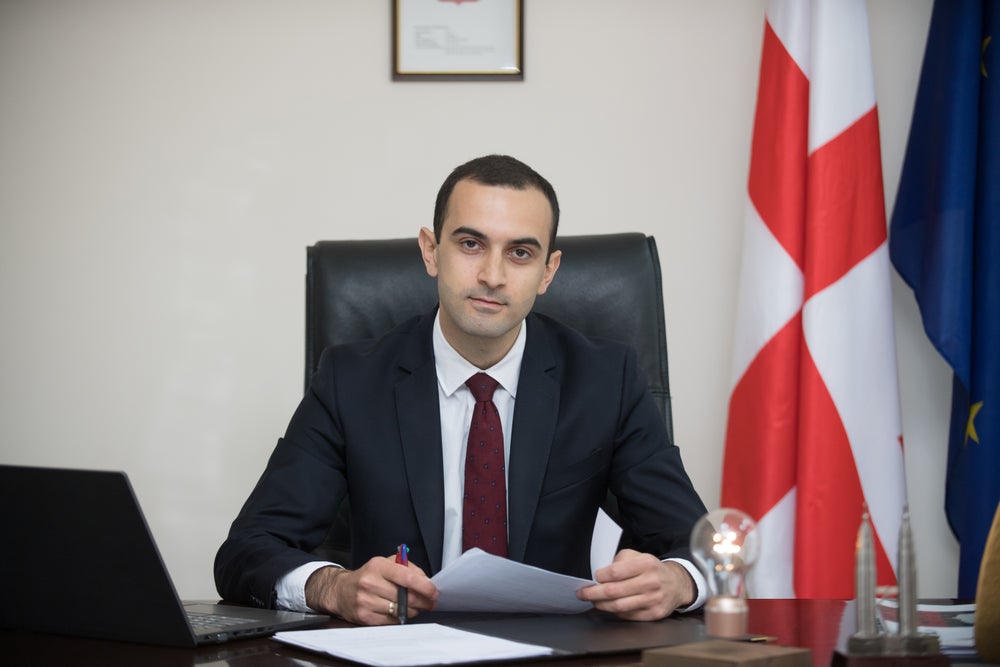
The Georgian lawyer and former Chairman of the National Intellectual Property Center of Georgia has received the Swedish Institute Scholarship to pursue advanced studies in European intellectual property law, exploring how legal frameworks can support innovation in an increasingly digital economy.
As businesses invest in new technologies, develop original products and build recognizable brands, intellectual property is becoming an increasingly important part of economic competitiveness. Protecting these assets is not only a legal matter but also a way to encourage entrepreneurship, creativity and investment.
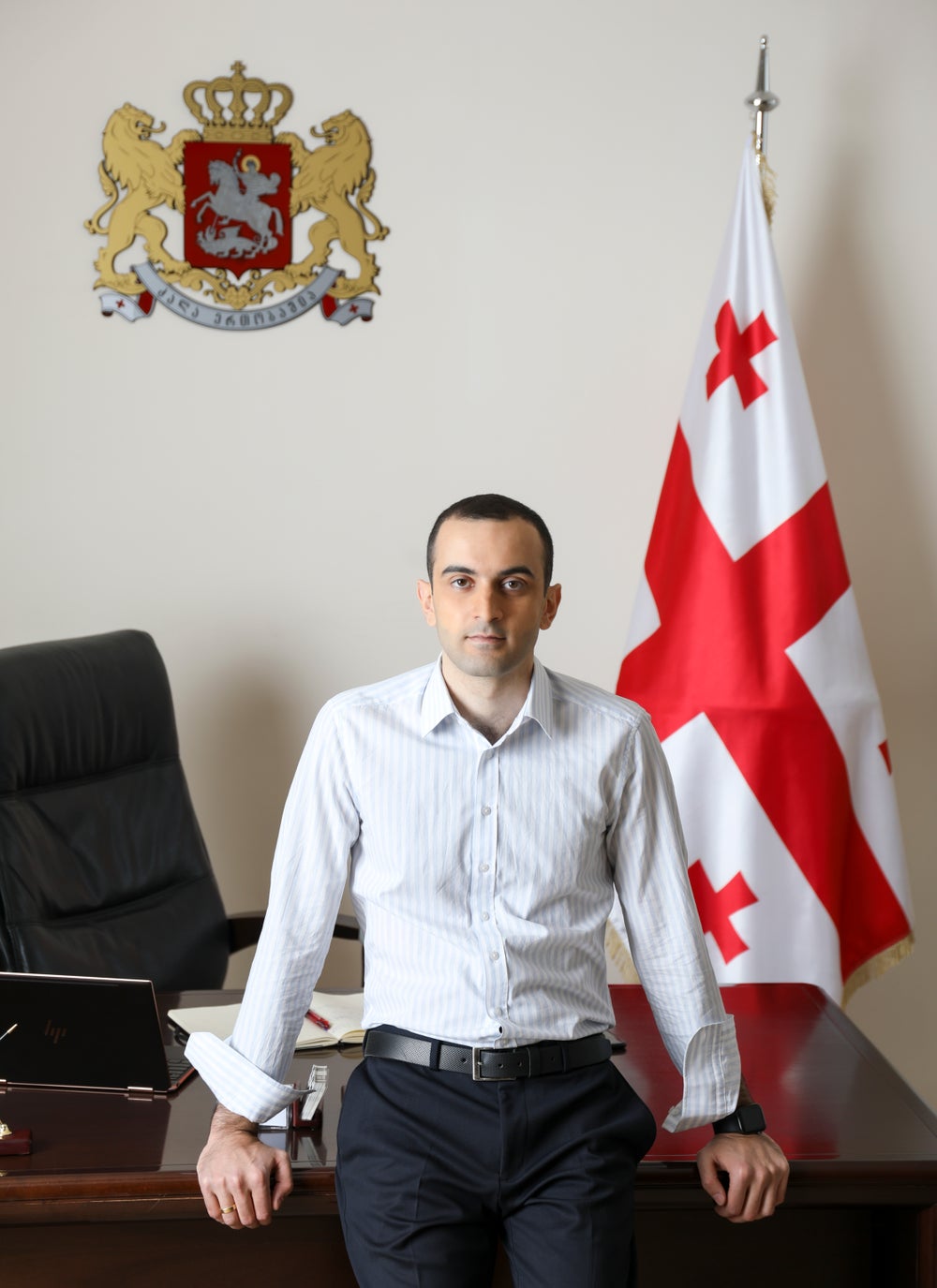
For Georgian lawyer Mindia Davitadze, this connection between law and economic development has shaped his professional career. Having served as Chairman of Georgia's National Intellectual Property Center (Sakpatenti) and subsequently continued in private legal practice, he has approached intellectual property from both an institutional and a business perspective.
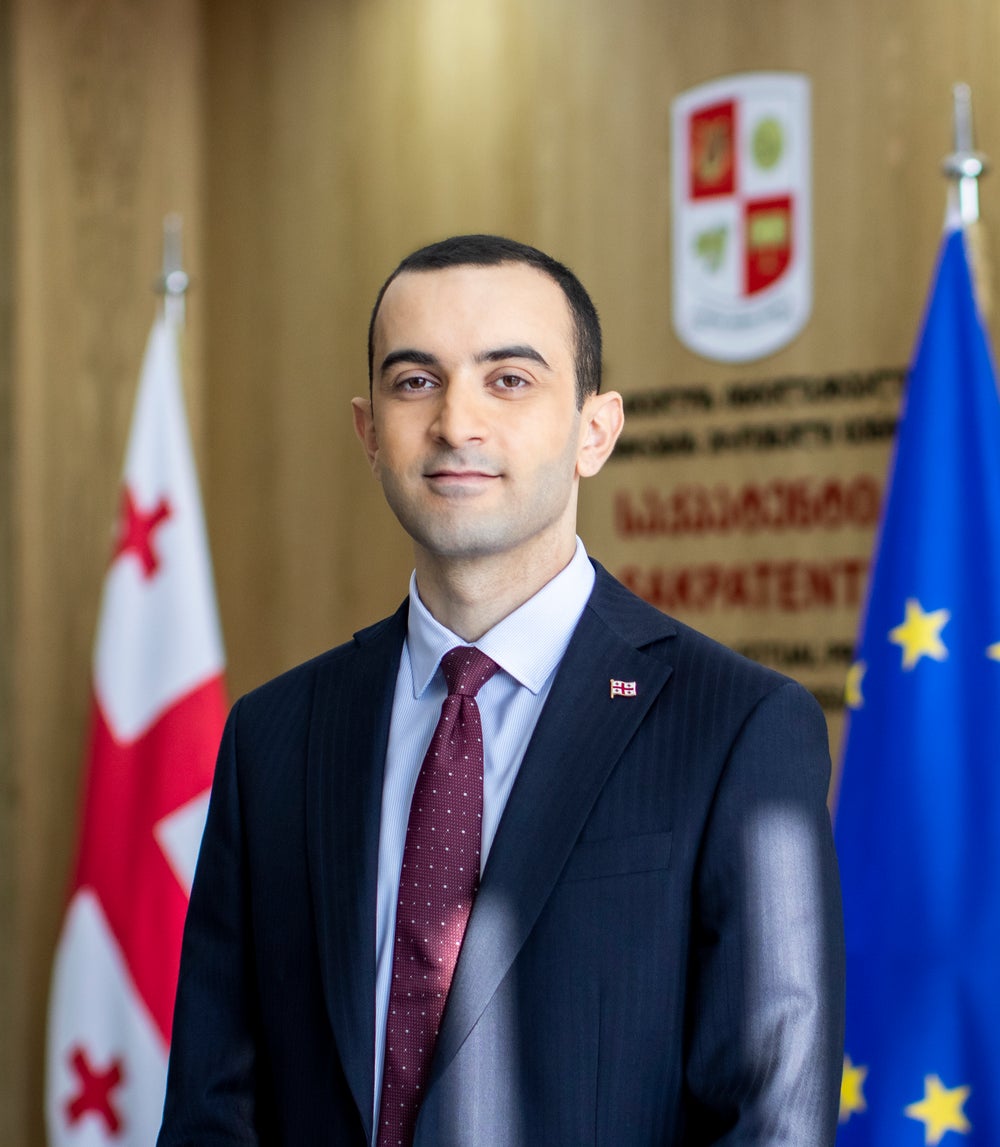
This year, Davitadze received the Swedish Institute Scholarship for Global Professionals to pursue a Master of Laws (LL.M.) in European Intellectual Property Law at Stockholm University. He was among 299 recipients selected from 9,843 applicants worldwide for the 2023–2024 academic year, a selection rate of approximately 3%.
The scholarship offers him an opportunity to deepen his expertise in a field that continues to evolve alongside technological development, while exploring how international legal experience could contribute to the further development of intellectual property protection in Georgia.
From Public Leadership to Private Practice
Before joining the private sector, Davitadze served as Chairman of Sakpatenti, the government agency responsible for administering Georgia's intellectual property system. His work involved intellectual property policy, institutional development and international cooperation, including engagement with the World Intellectual Property Organization (WIPO) and other international partners.
The experience gave him insight into the institutional structures behind intellectual property protection and the role they play in creating a reliable legal environment for businesses and innovators.
He subsequently became a Partner at Geolegal, LLC, continuing his work in intellectual property and the protection of clients' rights. Moving between public administration and private practice has allowed him to approach the field from different perspectives, from the development of policy to the practical challenges businesses face when protecting their assets.
"Intellectual property is much more than a legal concept. It is one of the foundations of a competitive economy," Davitadze says. "When businesses invest in new technologies, create recognizable brands or develop original products, they need confidence that their work will be protected."
For businesses, intellectual property rights can determine how innovations are commercialized, how brands establish their market position and how creative work generates economic value. For Davitadze, understanding these connections is central to understanding the field itself.
Why Intellectual Property Matters
Davitadze's interest in intellectual property law reflects his conviction that the field has a direct impact on economic development. Trademarks, patents and copyrights serve different purposes, but each can help individuals and businesses protect the value of their work.
"A trademark can become one of a company's most valuable assets. A patent can protect years of research and investment. Copyright can support entire creative industries. These rights have a direct economic impact," he explains.

This relationship is particularly relevant to Georgia, where entrepreneurship, innovation and the development of internationally competitive businesses remain important economic priorities. Creating a successful product or building a recognizable brand requires more than an original idea; businesses also need mechanisms to protect what they create.
"A strong innovation ecosystem requires more than talented entrepreneurs and good ideas. It also requires a reliable legal environment in which intellectual property is understood, respected and effectively protected."
From this perspective, intellectual property law is not simply about resolving disputes after infringement occurs. It is also part of the broader environment in which businesses make investment decisions, develop products and seek opportunities in international markets.
The Swedish Institute Scholarship
Davitadze was admitted to Stockholm University's one-year European Intellectual Property Law programme in spring 2023. On May 2 this year, he received confirmation of the Swedish Institute Scholarship for Global Professionals.
The Swedish Institute, a Swedish public agency, offers the scholarship to international professionals with leadership experience and the potential to contribute to sustainable development. Its selection framework considers applicants' professional backgrounds, leadership potential, academic admission and plans for applying their knowledge.
The award covers tuition fees, monthly living support, a travel grant and insurance. Beyond financial assistance, it provides recipients with opportunities to develop international professional connections and participate in a broader network of scholarship alumni.
For Davitadze, the opportunity also carries personal significance. He is pleased to see other Georgian professionals selected alongside him.
"It is encouraging to see fellow Georgians recognized in such an international competition," he says. "I am happy for everyone who received this opportunity, and I hope we can use the experience and connections gained in Sweden to contribute to our respective fields."
The scholarship, he adds, offers the chance to learn from professionals with different experiences and perspectives.
"Receiving the scholarship was a tremendous honor. It is an opportunity to learn from professionals from different countries, exchange ideas and build relationships that continue beyond university."
Intellectual Property in the Digital Economy
At Stockholm University, Davitadze plans to focus on the relationship between intellectual property, technology and the digital economy. Among his areas of interest are online copyright enforcement, the liability of internet intermediaries and the responsibilities of digital platforms.
These issues are becoming increasingly important as digital services transform the ways in which content is created, shared and consumed. While online platforms have expanded access to information and creative work, they have also complicated the enforcement of intellectual property rights.
"The internet has fundamentally changed how intellectual property is created, distributed and consumed," he notes. "Legal systems are constantly being challenged to respond. I want to understand not only how European rules are written, but how they work in practice and what Georgia can learn from them."
One of the central questions in this area is how to balance the protection of rights holders with the legitimate interests of internet users and digital service providers. Effective regulation must address copyright infringement while also accounting for lawful uses of content and the practical realities of operating online platforms.
For legal professionals, understanding these competing interests requires more than familiarity with legislation. It also involves examining how different jurisdictions interpret and apply their rules as technology continues to develop.
European and American Approaches to Intellectual Property
Although Stockholm University's programme focuses on European intellectual property law, Davitadze is also interested in comparing the European framework with the American approach. He considers this comparison particularly relevant to his research interests in online copyright enforcement and intermediary liability.
"The United States has historically been at the forefront of intellectual property development, both in shaping modern legislation and establishing influential legal practices," Davitadze explains. "Its experience is particularly valuable in the digital environment. For example, the Digital Millennium Copyright Act of 1998 established one of the earliest comprehensive statutory notice-and-takedown frameworks for addressing online copyright infringement, an approach that subsequently influenced discussions and legislative developments in other jurisdictions."
The comparison offers an opportunity to examine how different legal systems address similar challenges, including the responsibilities of online platforms when copyrighted material is uploaded without authorization.
For Davitadze, the value of studying these approaches lies in understanding not only their similarities but also their differences, strengths and limitations.
"Both jurisdictions have accumulated substantial experience in addressing the challenges that technological development creates for intellectual property protection. Studying these approaches comparatively will allow me to better understand their strengths and limitations, and consider how that experience could contribute to the further development of intellectual property law in Georgia."
Such a perspective could be particularly useful for a country seeking to strengthen its intellectual property framework while supporting businesses operating in an increasingly interconnected economy.
A Career Shaped by Innovation
Davitadze's professional experience in public administration and private practice has informed his view of intellectual property as a field that connects law with technological and economic change. His upcoming studies in Sweden represent an opportunity to build on that experience, deepen his understanding of European legal frameworks and engage with international perspectives.
For him, one of the defining characteristics of intellectual property law is its constant evolution. New technologies, changing business models and emerging forms of creative production continually introduce questions that legal systems must address.
"I genuinely enjoy this field because it never stands still," he says. "Technology develops, industries change and new legal questions emerge. Intellectual property law evolves alongside them. That is what makes it so fascinating."
He sees the protection of intellectual property as closely connected to the willingness of individuals and businesses to innovate, invest and bring new ideas to market.
"Protecting innovation is ultimately about encouraging progress. When people know that their ideas, creativity and investments are protected, they are more willing to take risks, develop new products and build businesses. That is why I chose intellectual property law, and why I want to continue my career in this field."


