
Galib Gassanoff – Georgian designer with a unique vision who is becoming a global rising star
You're reading Entrepreneur Georgia, an international franchise of Entrepreneur Media.
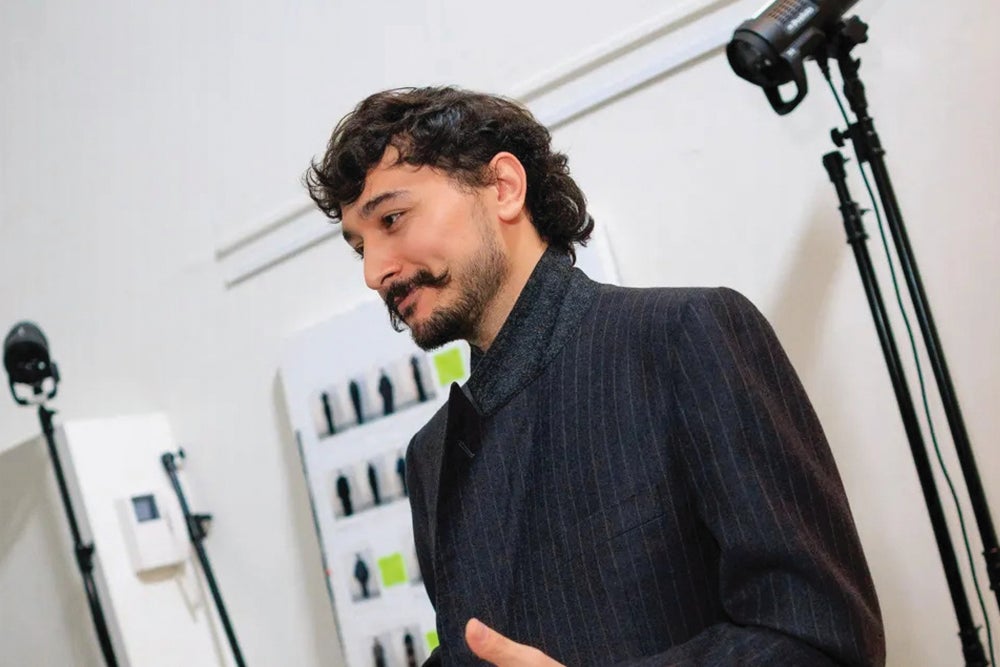 The fashion industry is a competitive, fast-moving world where commerce, marketing, and art intersect in the most powerful ways. Today, a number of Georgian designers stand out on the international stage, among them Demna, Guram Gvasalia, and David Koma. Now, a brand-new talent has made his mark on that stage: Galib Gassanoff, a designer that fashion insiders have labeled "a rising star with a unique vision."
Galib Gassanoff is the founder and creative director of Institution, a brand born in 2024 as his solo project. In 2026, Institution joined the official Milan Fashion Week schedule, after which numerous leading fashion magazines published articles about the designer and his collection.
"Rising Star Galib Gassanoff Is Telling Stories No One Has Told" – reads the headline published by Vogue, widely recognized as the world's "fashion bible."
Galib Gassanoff is a Georgian designer of Azerbaijani descent. He grew up between contrasting cultures, where strict stereotypes often dominate and where traditions form a fundamental part of daily life. Through Institution, Gassanoff seeks to explore his own trajectory; one rooted in his heritage. Instead of launching just another brand, he says he wants Institution to go beyond fashion, bringing together both creative art and social connection.
In 2026, Gassanoff was the first Georgian designer to be named a finalist for the LVMH Prize, the fashion world's most prestigious competition. Founded by the leading fashion conglomerate LVMH, this award opens the door to global success for young designers. Gassanoff's brand was selected as one of the nine final candidates out of more than 2,400 applications. The winner receives not only €400,000, but also a full year of mentorship from LVMH's team of experts across production, marketing, finance, and legal affairs. This year's jury features some of the most influential names in the industry, including Phoebe Philo, Jonathan Anderson, Maria Grazia Chiuri, Nicolas Ghesquière, and Pharrell Williams. The final ceremony will take place on September 4, 2026, at the Fondation Louis Vuitton in Paris, and will have the eyes of the global fashion press firmly fixed on the outcome.
In 2026, Gassanoff won the Zalando Visionary Award in Copenhagen. He was awarded €50,000, alongside full funding for his Spring/Summer 2027 showcase in the Danish capital.
The Fall/Winter 2026 show at Milan Fashion Week was a major platform for Gassanoff, and provided proof of his unique signature, featuring garments crafted from materials produced by traditional artisans in rural Georgia and Azerbaijan. Speaking with the international press, Gassanoff highlighted the specific community and region behind each piece, sharing the stories of the craftspeople who had made them. He noted that each of his collections carries a narrative that deserves to be heard.
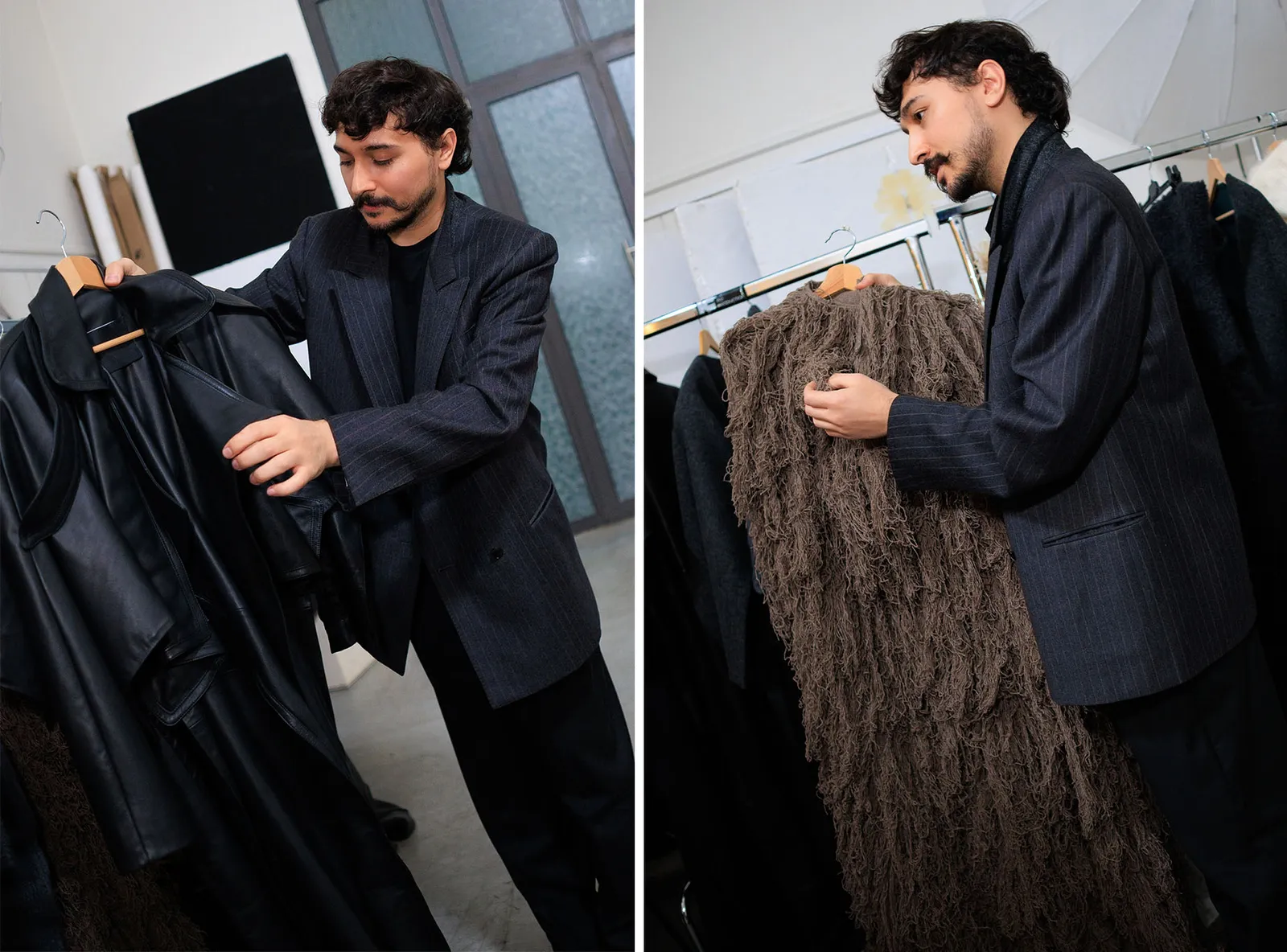 Gassanoff clearly values authentic stories and genuine art, seeking to keep handcrafted elements alive – including raw, hand-stitched details. Despite the high commercial demands of the global fashion industry, he remains focused on the craft aspect. For him, Institution is a personal journey rather than a business.
At 31, Galib Gassanoff's story certainly sets him apart from most emerging designers in the industry!
Speaking with Vogue, Gassanoff recalled growing up in a traditional family shaped by patriarchal rules. Rather than conforming to that pressure, the experience led him to question the system early on, turning his focus toward activism, women's rights, and advocating for marginalized voices.
In 2013, at 18, Gassanoff took his first major career step by entering the Georgia-based BeNext competition. Winning first place earned him a full scholarship to the Milan Fashion Academy.
Moving to Milan marked the start of his international career, though it came with challenges. On starting an internship in 2016, he quickly realized that the global fashion arena was in essence closed to anyone outside the elite inner circle. Uninterested in using up energy networking at parties, he instead found himself drawn to the behind-the-scenes work and the creative process itself.
Disillusioned by industry politics, Gassanoff and classmate Luca Lin launched their own brand, ACT N°1. The label quickly found success – building a team, establishing an office, and selling through more than 50 top retailers worldwide. Yet, as the business expanded, so did the pressure. Pushed by fast-changing fashion trends, the rapid rise of AI, and the constant rush of the industry, Gassanoff feared he would lose his authenticity. So, in 2024, he stepped away from the successful brand to build something more personal and authentic.
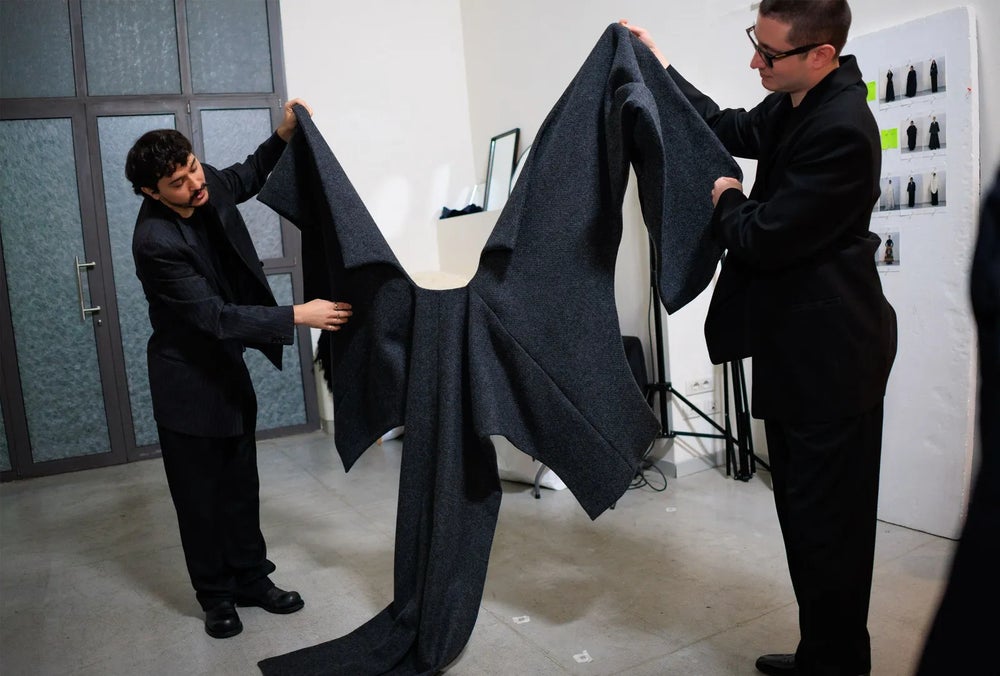 For Gassanoff, creating Institution comes from a clear desire: to build a platform that goes beyond standard fashion limits. He sees it as a project focused on real craft, memory, and cultural heritage.
Every collection for Institution feels like a journey and study. Gassanoff connects with local communities across Georgia and Azerbaijan, each holding distinct craft traditions. He visits their workshops, learns their techniques, and works right alongside them. It is a truly collaborative process: he brings the initial idea, but he is open to their feedback, and even adjusts the details together with them. He works using delicate crafts that are disappearing, including particular techniques that are known to only 10 women in Azerbaijan.
Operating on slow fashion principles, Gassanoff uses over 90% eco-friendly, natural fibers. His signature approach turns unconventional textures into clothing. By using materials like reeds, carpet scraps, and shoelaces, he creates unique pieces that look more like art than regular clothes.
Fluent in six languages, Gassanoff uses communication to connect deeply with different cultures. Although he loves and respects his roots, he isn't afraid to criticize traditional norms. Having seen how conservative environments affect women around him, he uses his platform to offer economic support and give proper value to their work.
Gassanoff notes he isn't trying to take advantage of local traditional crafts for his brand. Instead, he really listens to the artisans protecting this heritage and those techniques that hold valuable geographic and cultural history. He feels a strong duty to give these traditions a modern stage, without losing their core identity and value.
He also speaks openly with international media about the everyday struggles these women face – from daily housework to a lack of electricity and bad weather. To support them, Institution ignores traditional, high-stress production calendars and starts developing collections nine months in advance, giving artisans the time and space to work comfortably.
Despite growing interest towards Gassanoff and his brand, which has seen the demand for show invites doubling, he remains devoted to his own vision and firmly rejects mass production. He refuses to chase the industry's usual noise, influencer hype, celebrity front rows, and aggressive marketing campaigns. Instead, he prefers an audience that truly understands the stories behind his clothes.
With this vision, Gassanoff is swimming against the tide of modern fashion. In a fast-paced global market, it is a high-risk approach. Yet he remains a rare exception who brings creative value to fashion at a time when marketing, digital tools, and corporate rules have largely wiped out the industry's artistic spark.
Institution maintains a small but influential network of partner retailers and concept stores. Gassanoff also collaborates with cultural organizations, such as Azerbaijan's Ministry of Culture and the Capitol Culture House in Rome, to help fund regional artisans.
Gassanoff still cuts every single pattern at home, using his personal space as a studio. He resists industry speed; instead choosing to focus on people who truly view fashion as art.
While fashion today is all about fast designer changes and turning shows into pure marketing, Gassanoff proves you can succeed by staying true to your own vision.


