GAUS CRYPTO - How a New Standard of Crypto Service is Being Implemented in Tbilisi
Opinions expressed by Entrepreneur contributors are their own.
You're reading Entrepreneur Georgia, an international franchise of Entrepreneur Media.
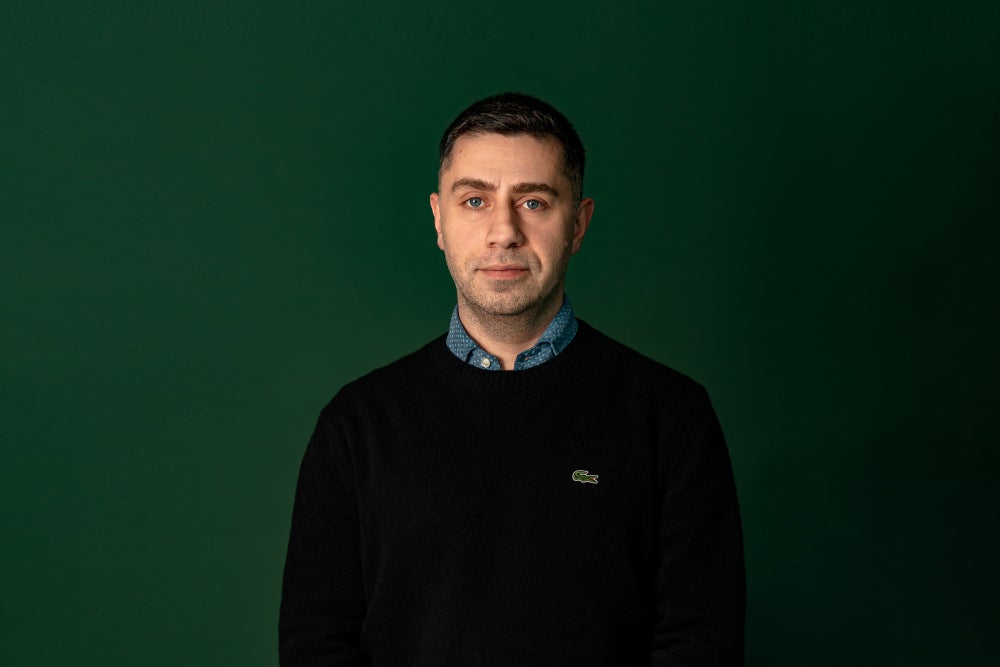 Director, Founder of GAUS CRYPTO, David Tsereteli
In recent years the growing interest in the crypto industry in Georgia has been especially noticeable, both from private investors as well as international users and businesses. Accordingly, there is an increasingly clear demand in the market for services that will make transactions between crypto assets and the traditional financial system simple, fast, and most importantly, legally secure.
It is precisely this demand that GAUS CRYPTO responds to - a virtual asset service provider (VASP) operating in Tbilisi and licensed by the National Bank of Georgia, which offers users exchange operations between cryptocurrencies and fiat currencies. The company's business model is built on a simple principle: crypto should no longer be difficult to understand, associated with informal spaces, or an excessively risky experience. On the contrary, it should transform into a professional financial service, where every stage of the process is transparent and secure.
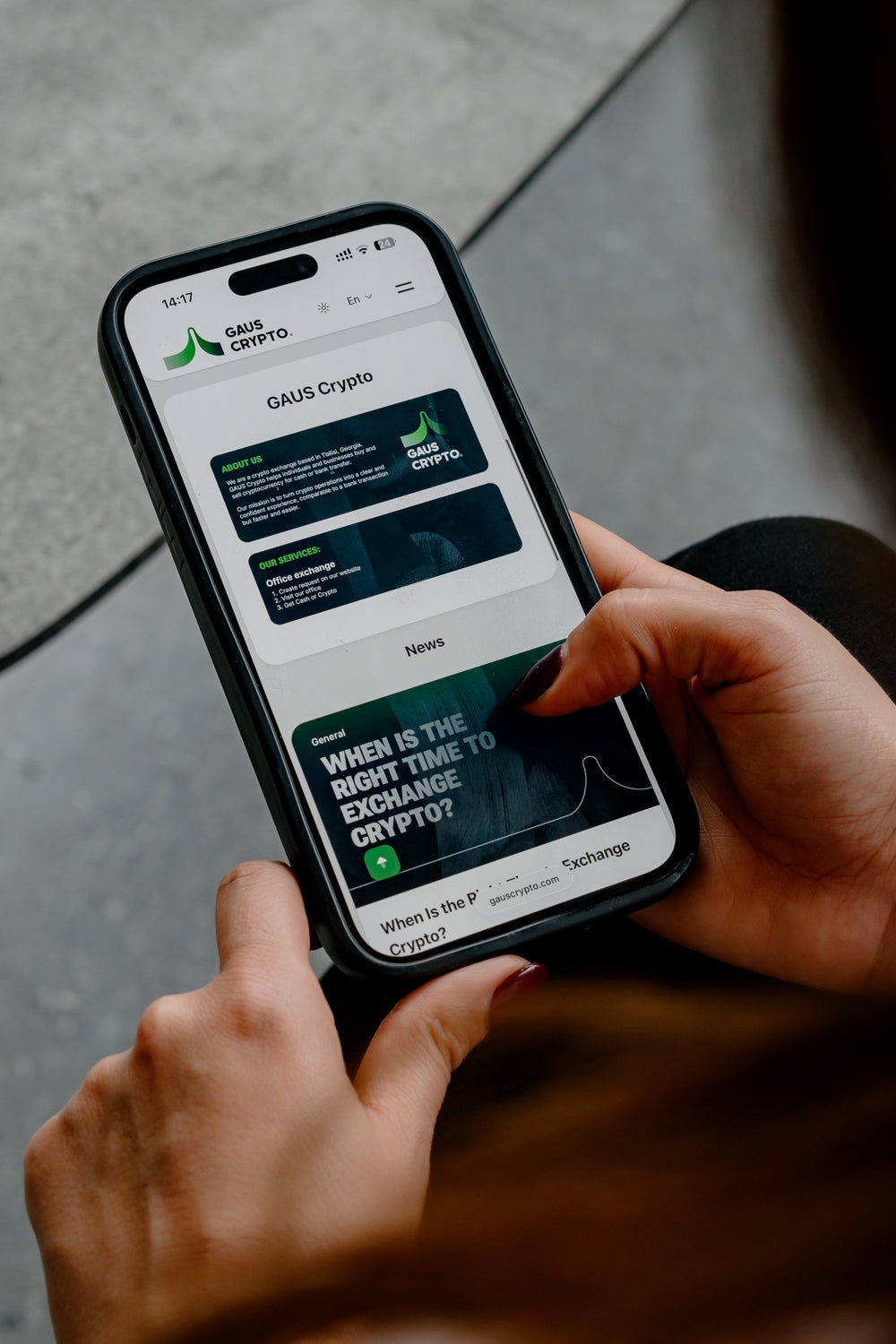
When many individuals or businesses need to quickly buy or sell crypto - in GEL, dollars, or euros, with cash or non-cash payments, GAUS CRYPTO takes on the role of the necessary intermediary. In a market where traditional banks still approach crypto operations with caution, the role of such a player is particularly important.
"On the financial market of Tbilisi, GAUS CRYPTO plays the role of a bridge between crypto and the traditional financial system. In a local environment where banks often treat crypto operations cautiously and many users are still oriented toward cash, a person can quickly convert crypto into real money or vice versa. This process is carried out in a physical office, under safe and regulated conditions," says GAUS CRYPTO founder and CEO David Tsereteli.
The development of Tbilisi as a regional fintech hub is not accidental. The local Georgian market has become attractive for several reasons, both for startups and for companies that prefer operating within clear regulatory frameworks. One of the main factors is that the country already has a legal framework for virtual asset service providers, which allows companies to operate legally.
Added to this is a relatively flexible business environment, a low tax system, and the infrastructure that is still being formed whether it is exchange points, OTC services, the development of remote services, or the growing opportunities for using crypto in the real economy. This is exactly what creates an environment where Tbilisi is no longer perceived only as a local center on the regional map.
According to David Tsereteli, it is important not only to increase technological capabilities in this process but to build trust, as this is the foundation of any financial service.
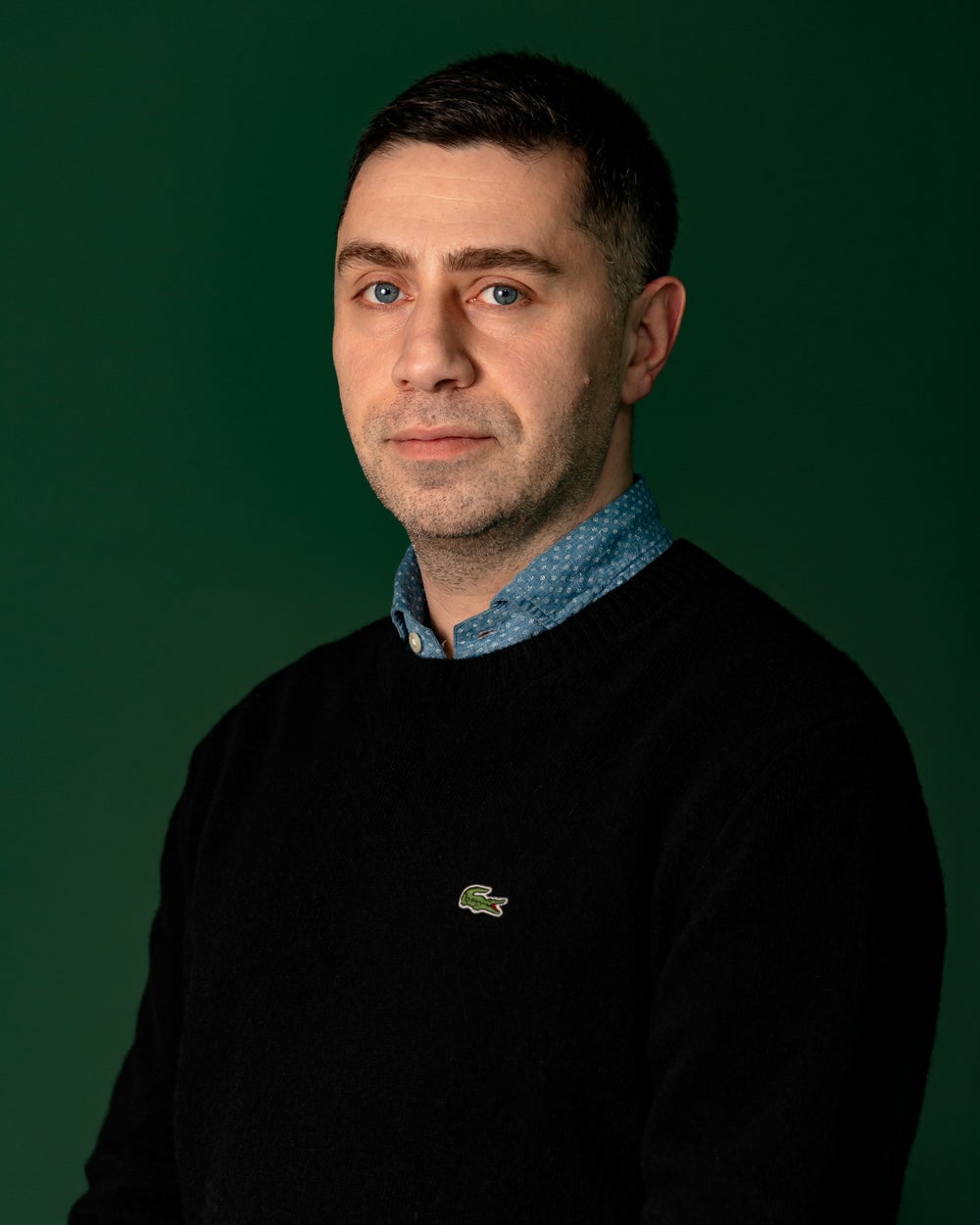 Director, Founder of GAUS CRYPTO, David Tsereteli
"In recent years, Tbilisi has been rapidly forming as a regional hub for fintech and the crypto industry. This is driven by several factors: a liberal and relatively clear regulatory environment, simple conditions for business, and infrastructure development. This increases trust and attracts both local and foreign markets," explains David Tsereteli.
The company's vision is not only to respond to current demand. GAUS CRYPTO is trying to establish a new standard in the field of cryptocurrency exchange in Georgia, where the main value of the service is not only speed, but also security, compliance with the law, and a process that is understandable for the user.
At GAUS CRYPTO, emphasis is placed on making crypto exchanges resemble a modern financial operation as much as possible: with clear rules, identified clients, predefined conditions, and full documentation of the process.
This approach is especially important in a market where there is still a need to raise user awareness and strengthen trust. Therefore, for the company, the "new standard" is not just a technical term, it is an attempt to move the industry from a risky and shadowy space into the category of an official financial service.
"Our main target audience consists of active crypto users and individuals with capital who need fast and reliable exchange. These are investors, traders, businesses, freelancers, users of international transfers, expats - in short, anyone who needs fast, safe, and legal crypto ↔ fiat operations in Georgia."
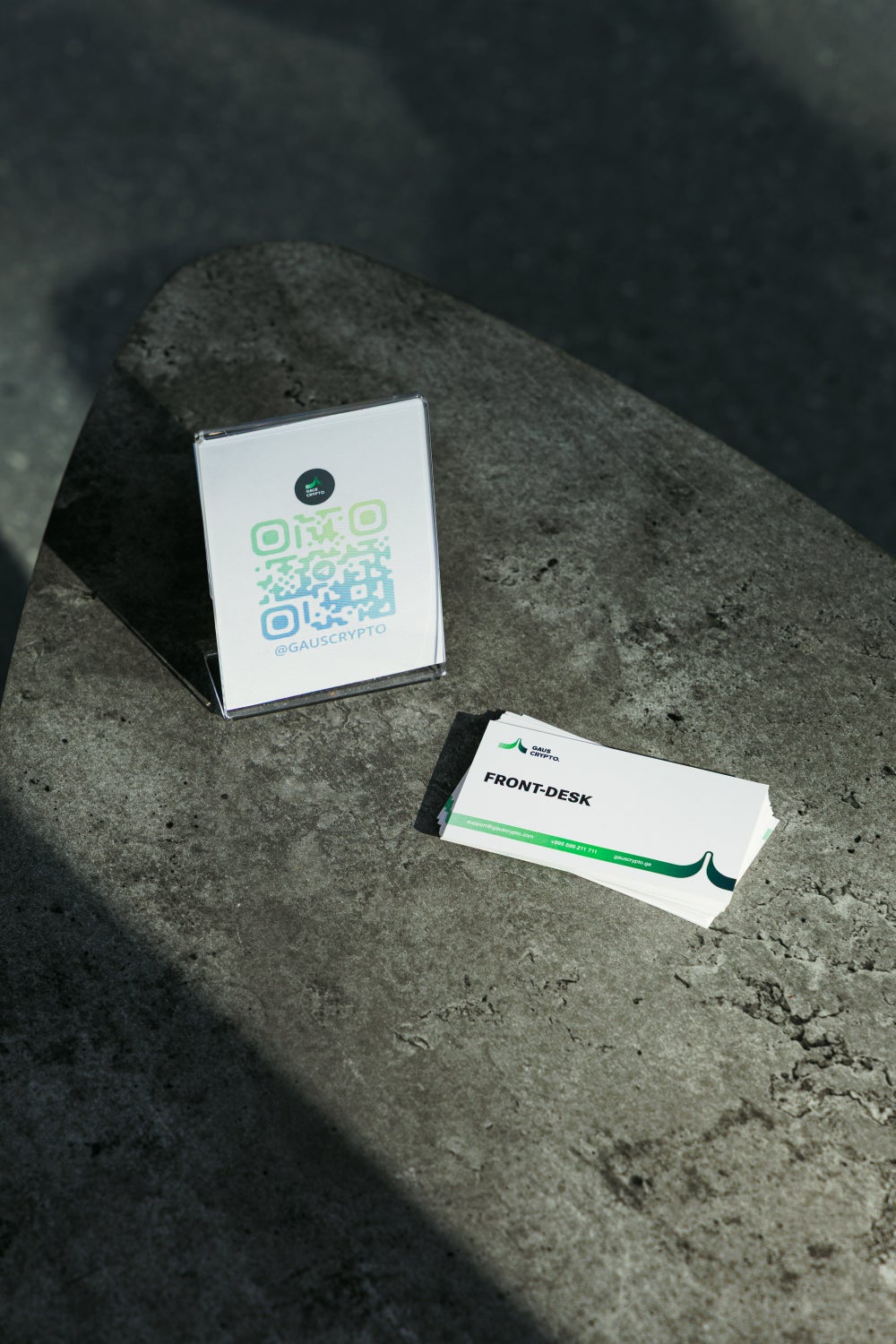 GAUS CRYPTO office
Speed and convenience in finance gain value only when there are clear control mechanisms behind them. That is why GAUS CRYPTO pays special attention to compliance with anti-money laundering (AML) standards. Those requirements are not simply a formal obligation; they are the foundation on which service reliability stands.
In practice, this means strict adherence to client identification and verification processes, continuous monitoring of transactions, detection of suspicious operations, and timely communication with relevant authorities. At the same time, the company has appropriate internal policies, risk assessment systems, and regular staff training, which ensures that compliance is an organic part of daily operations and not just a list of rules.
 GAUS CRYPTO Manager, Tekla Gilashvili
For the user, all of this ultimately translates into one thing - security and significantly lower risk. In the crypto field, where trust is still one of the main challenges, such a structured approach becomes one of the company's most important assets.
"We ensure compliance with AML standards through full adherence to KYC procedures, continuous monitoring of transactions, detection of suspicious operations, and timely reporting," says David Tsereteli in an interview with Entrepreneur.
Transparency is one of the company's key principles. The user should have not only the ability to perform an operation, but also a complete understanding of the conditions under which the transaction will be completed and what result it will have. That is why special importance is given in GAUS CRYPTO's service to reporting, transaction history, receipts, and a clear commission policy.
Such an approach is particularly important in a field where even a seemingly small misunderstanding can cause distrust from the user. Transparent communication of financial operations from the company is not an additional comfort, but an essential part of the service.
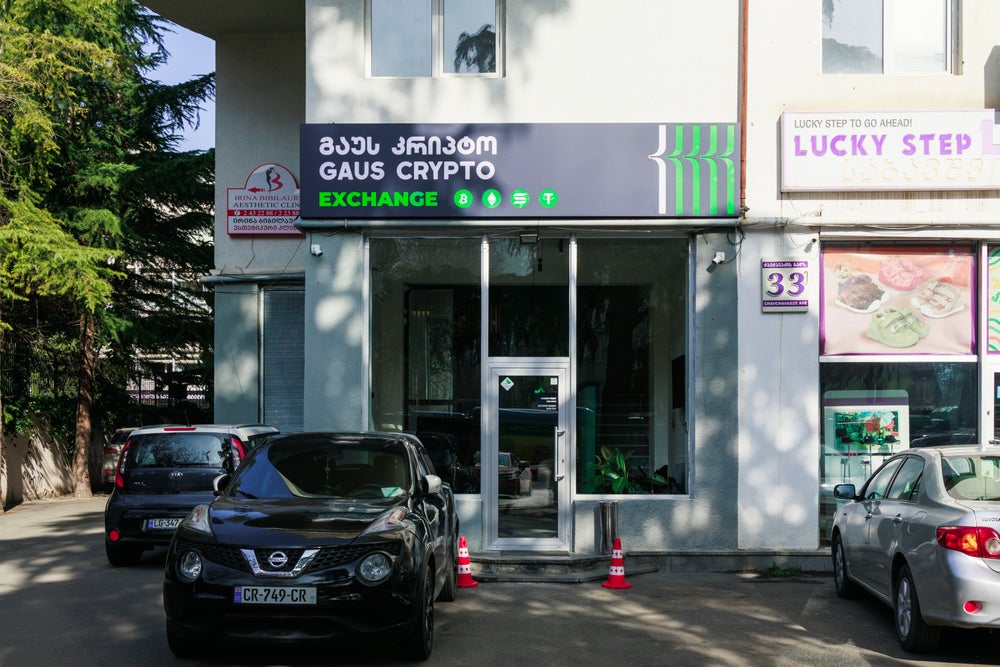 GAUS CRYPTO office
The license from the National Bank is equally important. This is not just a status or a formal designation - it is a signal that the company operates within frameworks defined by the state, meets security, legal, and financial requirements, and is subject to supervision.
"Such supervision reduces the risk of fraud and dishonest activity and increases the reliability of the service," notes the founder of GAUS CRYPTO.
 GAUS CRYPTO office
At this stage, GAUS CRYPTO offers users several formats for buying and selling cryptocurrency - cash payments, non-cash transfers, and elements of offline and online services. This flexibility is particularly important because the company's users are not homogeneous: for some, speed is the priority; for others - large-volume operations; and for some - service in a physical space.
It is also important that the platform is designed not only for individuals but also for legal entities. This turns the company's positioning into a broader financial infrastructure and emphasizes that crypto service here is not considered only as a product of individual interest.
 GAUS CRYPTO Manager, Keti Kimbirashvili
The company's development is also focused on scaling and growth, primarily through the development of an online platform. The goal is for buying, selling, and converting crypto to become a fully remote service for the user, where registration, verification, transaction execution, and security control are combined in a single system.
"Our goal is to make crypto exchange more accessible, fast, and secure for users. Therefore, we are focused on the digitalization of services and their transition to an online mode," explains David Tsereteli.
In the long-term perspective, David Tsereteli does not consider GAUS CRYPTO only as an exchange point. The vision is much broader and includes forming a unified digital financial ecosystem, where the user will receive various services within one infrastructure. This may include not only buying and selling, but also conversion, OTC services, payment solutions, analytical tools, and more integrated financial processes.
At the core of the service remain two main values - security and simplicity. Because if the crypto industry is to truly become part of everyday economic activity, it must be not only technologically modern, but also understandable and practical for the user.