Today's entrepreneurs and innovators are exploring ways to use artificial intelligence (AI) to enhance efficiency, productivity, and customer service, but is this technology truly an advancement or does it introduce new complications by amplifying existing cultural biases, like sexism and racism?
Having biases is an inherent part of being human, but that doesn't mean we don't have the responsibility to manage them and make sure they don't impact the way we lead.
Biased statements are unfortunately commonplace. These often unintentional, yet harmful behaviors can signal to others they do not belong and reinforce harmful stereotypes. Simple phrases like these can open the conversation.
Performance reviews are critical to pay, promotion and assignment opportunities — but they often hurt employees in marginalized groups, thanks to biases. Here are some to watch out for and how to remove them from your reviews.
We all have a natural tendency to gravitate toward people similar to us in terms of race, ethnicity, gender, age and lifestyle. This unconscious bias can lead us to hire people who look like us and share similar backgrounds instead of the most qualified candidates.
When we understand how age is operating in our companies, we avoid mistakes and limit risk. More importantly, through disciplined thinking and bringing a fresh approach to creativity and innovation, our people can contribute everything they can from their life experiences.
Why your company needs to apply best practices in eliminating discriminatory bias in your artificial-intelligence systems -- and key principles in applying them.
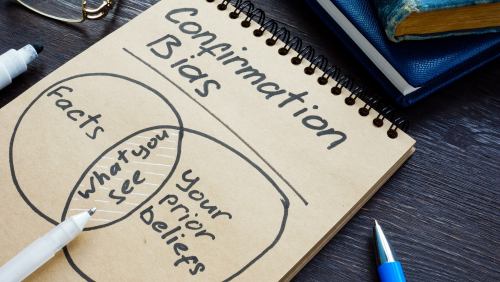
If you want to make the most informed, objective decisions possible for your business, it's important to have a strategy in place to avoid bias whenever possible.
Cognitive biases are unavoidable. They're something we all have to deal with. But with these strategies, you can minimize your susceptibility to them, and ultimately make more rational, objective decisions as an entrepreneur.