Y Combinator’s Paul Graham on Why Some Companies Get His Cash and Others Don’t
Paul Graham spills: Why some companies get his cash and others don’t
Opinions expressed by Entrepreneur contributors are their own.
Loopt. Reddit. Xobni. Bump.
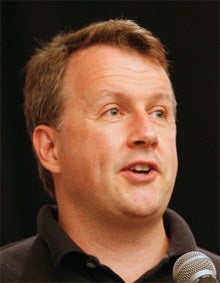
Paul Graham–and the seed-stage venture firm he co-founded, Y Combinator–have been there at the start of all of them. And now Y Combinator is growing, too. In the last two years, the Silicon Valley funding group doubled its number of active startups to 40 and brought in a prominent new partner, Gmail’s lead developer (and Xoogler) Paul Buchheit. We asked Graham to give up the goods: How exactly do you spot the next big thing?
What’s most essential for a successful startup?
The founders. We’ve learned in the six years of doing Y Combinator to look at the founders–not the business ideas–because the earlier you invest, the more you’re investing in the people. When Bill Gates was starting Microsoft, the idea that he had then involved a small-time microcomputer called the Altair. That didn’t seem very promising, so you had to see that this 19-year-old kid was going places.
What do you look for?
Determination. When we started, we thought we were looking for smart people, but it turned out that intelligence was not as important as we expected. If you imagine someone with 100 percent determination and 100 percent intelligence, you can discard a lot of intelligence before they stop succeeding. But if you start discarding determination, you very quickly get an ineffectual and perpetual grad student.
So how do you determine determination?
When we interview, we decide in 10 minutes whether to fund people. We talk about their ideas, because that’s the best way to figure out what kind of people they are.
What impresses you?
Knowing the business. If we ask a bunch of questions and they have the answers at their fingertips because they understand the domain really well, that’s a good sign. Being concise is important, too. If you really understand something, you can say it in the fewest words, instead of thrashing about.
How do you spot a great idea?
It often sounds like a bad idea. When Facebook first started, and it was just a social directory for undergrads at Harvard, it would have seemed like such a bad startup idea, like some student side project. Or when Google started, there were eight to 10 successful established search engines already, and search was so uncool that they were trying to get people to call them “portals.”
But return is always proportional to risk, so what that means is: The very best startup ideas, the ones that are the biggest successes, tend to be the ideas that you don’t know are even going to work.
And you can see where that line is?
Well, this is why we pick based on founders.
Loopt. Reddit. Xobni. Bump.
Paul Graham–and the seed-stage venture firm he co-founded, Y Combinator–have been there at the start of all of them. And now Y Combinator is growing, too. In the last two years, the Silicon Valley funding group doubled its number of active startups to 40 and brought in a prominent new partner, Gmail’s lead developer (and Xoogler) Paul Buchheit. We asked Graham to give up the goods: How exactly do you spot the next big thing?
What’s most essential for a successful startup?
The founders. We’ve learned in the six years of doing Y Combinator to look at the founders–not the business ideas–because the earlier you invest, the more you’re investing in the people. When Bill Gates was starting Microsoft, the idea that he had then involved a small-time microcomputer called the Altair. That didn’t seem very promising, so you had to see that this 19-year-old kid was going places.
What do you look for?
Determination. When we started, we thought we were looking for smart people, but it turned out that intelligence was not as important as we expected. If you imagine someone with 100 percent determination and 100 percent intelligence, you can discard a lot of intelligence before they stop succeeding. But if you start discarding determination, you very quickly get an ineffectual and perpetual grad student.