Report: Elon Musk to Serve as Interim Twitter CEO Before Deal Closes
Musk’s bid to buy the company is set to close by the end of 2022.
Opinions expressed by Entrepreneur contributors are their own.
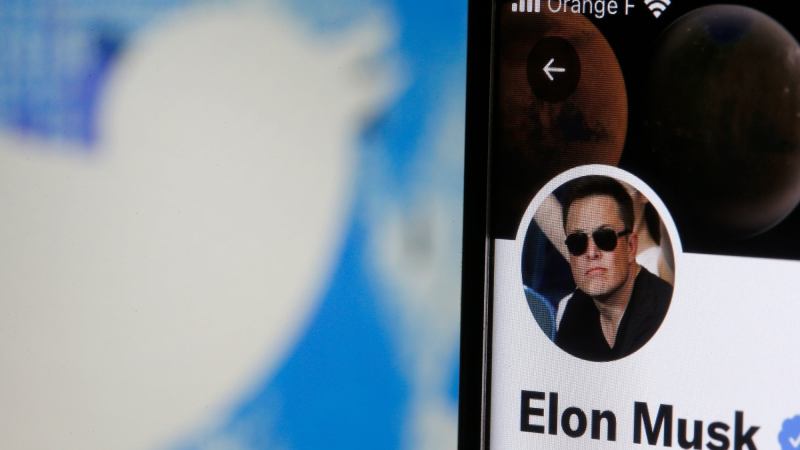
Though Elon Musk’s bid to purchase Twitter for nearly $44 billion isn’t set to be finalized until the end of 2022, it looks like he might be taking over sooner than expected.
According to CNBC, the billionaire is set to take over as interim CEO of the social media platform for a few months before the deal closes.
This would put Musk in the position of being CEO of two companies at the same time, as he is still currently the CEO of Tesla.
Tesla dropped more than 8% on Thursday, presumably as a result of the rumored news, but was back up around 1% as of late Friday morning.
Related: Twitter Gains Millions of Users in First Earnings Report Since Accepting Musk’s Bid
Twitter, on the other hand, was up around 3% yesterday.
Prior to CNBC’s report, it was expected that Parag Agrawal would remain as Twitter’s CEO until Musk’s purchase was finalized, a position that he has only held since November 2021, when founder and former CEO Jack Dorsey announced his unexpected resignation from the company.
The same sources also report that Musk plans to make Twitter a “magnet for talent” and that he has already begun presentations for investors where he has been giving “financial projections” for the company.
The public hasn’t yet seen the financial and numerical impact that Musk’s projected purchase and takeover of Twitter has had, but the company’s Q1 2022 earnings report points to the fact that his impact will be significant.
Related: Report: Elon Musk Aims to Make Twitter Public Again ‘In a Few Years’
Though Twitter slightly missed revenue estimates, the company saw a 16% revenue increase quarterly and more importantly, an impressive 229 million monetizable daily active users (mDAUs), up 12 million from the previous quarter.
Q1 data includes Musk’s month of madness on Twitter during March, which included Tweets about inflation during the Russia and Ukraine conflict, crypto investment advice and his now-infamous poll where he asked users whether or not Twitter adheres to the concept of free speech, the match that lit the fire in Musk’s takeover of the company.
Musk is currently raising funds to finance the deal, in which he will purchase all the shares of Twitter for $54.20 each.
As of Thursday, an SEC filing showed that Musk had already raised $7 billion of the necessary funding, the highest individual investment coming from Oracle founder and fellow billionaire Larry Ellison, who committed $1 billion towards the deal.
Ellison is also a majority shareholder in Musk’s Tesla.
Other notable investors in Musk’s plan include two venture capital firms — he’s raised $800 million from Sequoia Capital and $700 million from Dubai’s VyCapital.
Though Elon Musk’s bid to purchase Twitter for nearly $44 billion isn’t set to be finalized until the end of 2022, it looks like he might be taking over sooner than expected.
According to CNBC, the billionaire is set to take over as interim CEO of the social media platform for a few months before the deal closes.
This would put Musk in the position of being CEO of two companies at the same time, as he is still currently the CEO of Tesla.