The Sharjah Model: How Shurooq Is Powering One Of The Region's Fastest-Growing Real Estate Markets "We were never chasing speed or volume" - Yousif Al Mutawa, Chief Real Estate Officer at Shurooq.
You're reading Entrepreneur Middle East, an international franchise of Entrepreneur Media.

More than a decade ago, as Sharjah began expanding its urban footprint, the regional property market was dominated by rapid development cycles and skyline-driven ambitions. Sharjah Investment and Development Authority (Shurooq) took a different direction. It focused on long-term value, community-centred planning, and projects built to last.
Today, this approach is reflected in the results. Shurooq's real estate portfolio has exceeded AED5.8 billion in sales. Nearly 4,400 homes have been purchased by residents and investors from more than 90 nationalities. From 2018 to 2024, Shurooq achieved a 48.9% compound annual growth rate in property sales, demonstrating steady performance despite global market shifts.
"We were never chasing speed or volume," says Yousif Al Mutawa, Chief Real Estate Officer at Shurooq. "Sharjah's development philosophy is anchored in long-term value creation; for people who live here, and for those who invest here."
That distinction —residents first, capital second— underpins much of Shurooq's real-estate strategy and its three anchor projects: Maryam Island, Sharjah Sustainable City, and Ajwan Khorfakkan.
Together, they form a study in how city-building can evolve in the Gulf: less spectacle, more substance; less short-term speculation, more generational thinking.
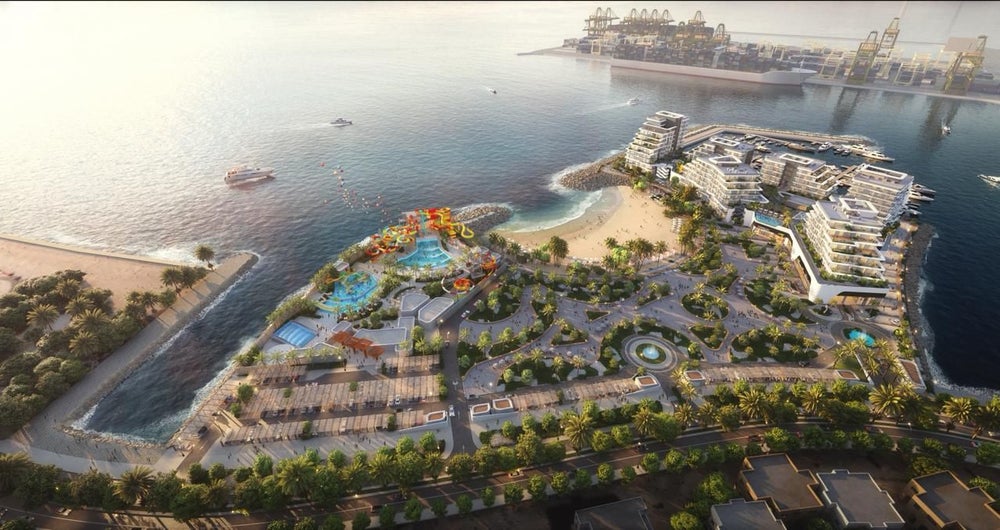 Image courtesy Shurooq
A Market Expanding, But Not Exploding
According to the Sharjah Real Estate Registration Department, the emirate recorded AED 44.3 billion in property transactions during the first nine months of 2025, marking a 58.3% year-on-year increase compared to the same period in 2024. These are confident numbers, but they do not tell the full story. Sharjah's expansion has not been driven by a frenzy of launches or speculative flipping. The city's appeal rests instead on affordability relative to neighbouring hubs, strengthening infrastructure, and a distinct sense of place that attracts end-users and long-horizon buyers.
Al Mutawa describes the profile clearly: families putting down roots, global talent seeking stability, and regional buyers betting on fundamentals rather than hype. "There is a difference between demand that chases price movement, and demand that follows lifestyle and value," he notes. "Sharjah attracts the second."
Maryam Island: Redefining Coastal Urbanism Without Mimicry
Along the Al Mamzar waterfront, Maryam Island has quietly become a turning point in how people imagine Sharjah's coastal life. Developed by Eagle Hills Sharjah, the joint venture between Eagle Hills and Shurooq, the project reflects a vision built on creating communities with substance. The development is not just sold — it is lived in. Of more than 3,083 residential units, 99% have been sold, and 1,278 homes are already occupied, with phased handovers continuing until 2028.
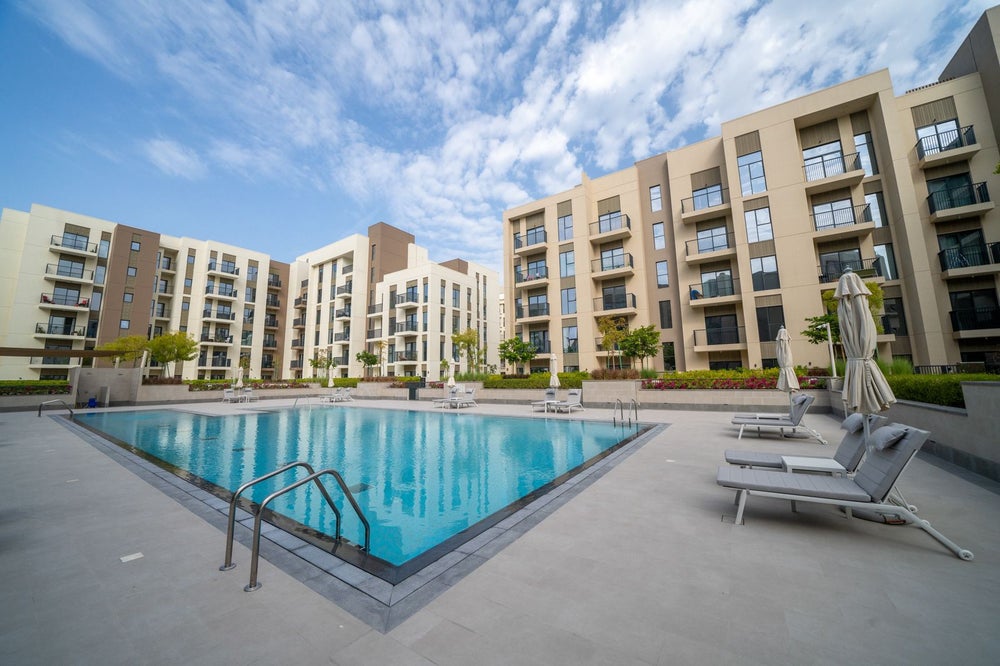 Image courtesy Shurooq
Its success did not come from recreating Dubai's coastline model or Abu Dhabi's island strategy. Instead, Maryam Island balances waterfront access with community-oriented density, independent retail and public promenades, and architecture that speaks Sharjah's language rather than imitating its neighbours.
Sharjah's waterfront is thus not a stage for luxury posturing; it is an urban extension of existing neighbourhoods, designed for residents first and investors second.
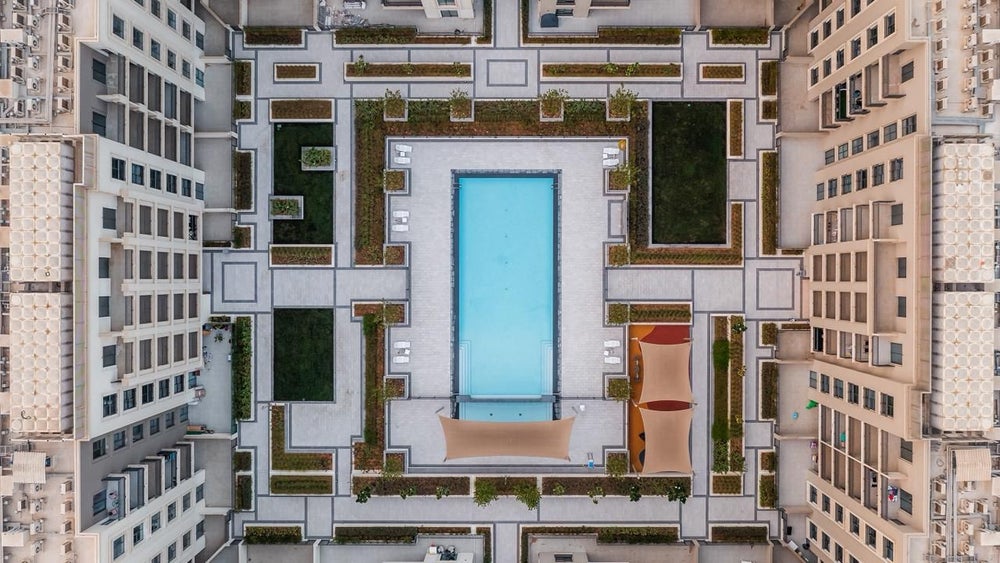 Image courtesy Shurooq
In the first six months of 2025, 138 units worth AED220 million were sold, driven in part by a 15% rise in price per square foot year-on-year; evidence of organic appreciation grounded in demand, not marketing. "Maryam Island proves that coastal development can support density, culture, walkability, and community cohesion," Al Mutawa says.
Sharjah Sustainable City: Sustainability Without Sloganism
In a region where "sustainable" can feel like a tagline, Sharjah Sustainable City is notable for resisting aesthetic greenwashing.
The first sustainable master-planned residential community developed by Shurooq in partnership with Diamond Developers spans 7.2 million square feet and has sold all 1,252 units, generating AED2.5 billion in sales. Beyond the sold-out headline, the community stands out for something less visible and more consequential: measurable performance.
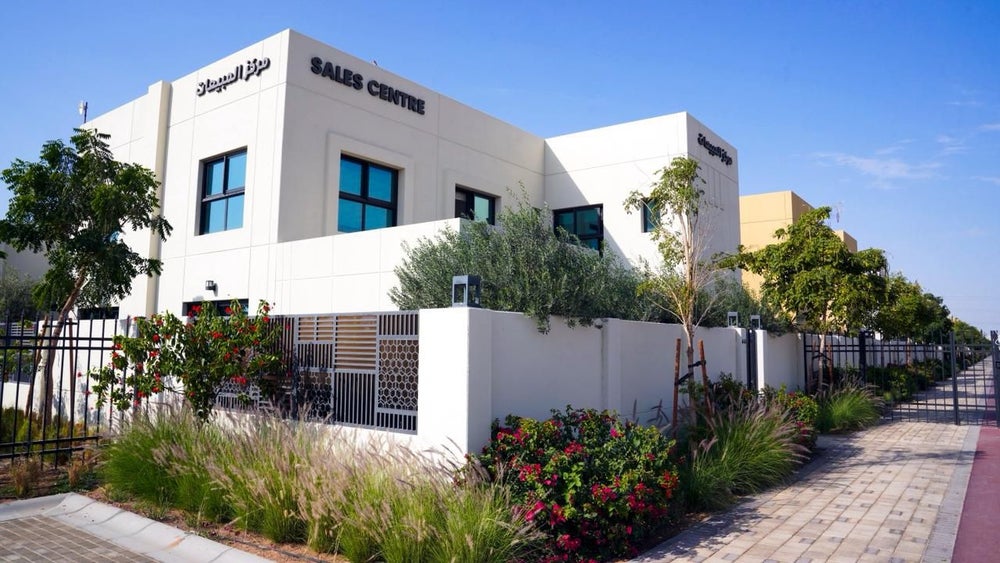 Image courtesy Shurooq
Solar roofs offset consumption. Greywater recycling reduces demand. Waste systems divert material away from landfills. Resident-led initiatives reinforce behaviour change rather than imposing environmental ideals from the top down. "Technology only matters if people embrace it," Al Mutawa says. "In Sharjah Sustainable City, the residents complete the system. They are not recipients of a concept — they are participants in it."
With the final phase handover underway, the community's blueprint is influencing planning beyond the development itself and informing how utilities, mobility, and resource management evolve in newer districts.
Ajwan Khorfakkan: The East Coast Writes Its Own Chapter
Sharjah's east coast has always held emotional and geographic significance, but Ajwan Khorfakkan reframes it as a future-living destination rather than a weekend escape.
Of 185 units, 62% are sold, amounting to AED271 million in transactions. The project will introduce more than 682,000 square feet of residential space, supported by amenities including the east coast's first waterpark, a marina, and a pedestrian promenade.
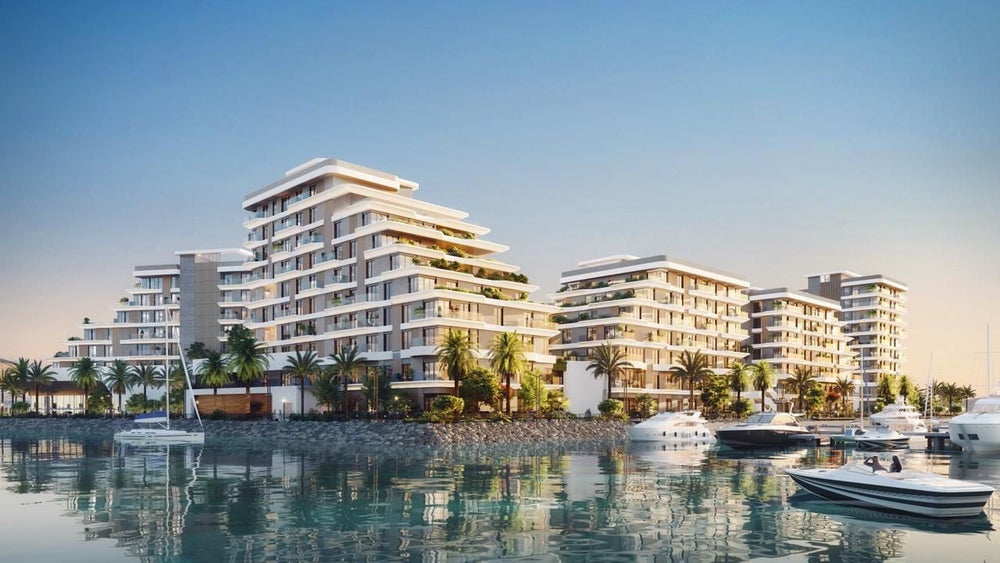 Image courtesy Shurooq
Crucially, Ajwan does not seek to urbanize Khorfakkan's natural character. Instead, it leans into it — mountain and sea sitting at the centre of its identity; not as a backdrop but as the primary value layer. "Not every coastal development should compete with a skyline," Al Mutawa says. "Ajwan competes on peace, on nature, on authenticity — all while upholding the highest standards of modernity and sustainability."
Khorfakkan's accelerating tourism profile supports that proposition, positioning the project within a lifestyle ecosystem rather than as a standalone destination.
Building A City; Not Just Selling Projects
If Shurooq's work shares one consistent thread, it is restraint: taking the time to understand how a neighbourhood should breathe before deciding what it should look like. That patience shows up in what Shurooq does not do: scatter launches across districts, chase speculative spikes, or build enclaves disconnected from the cultural rhythm of the city.
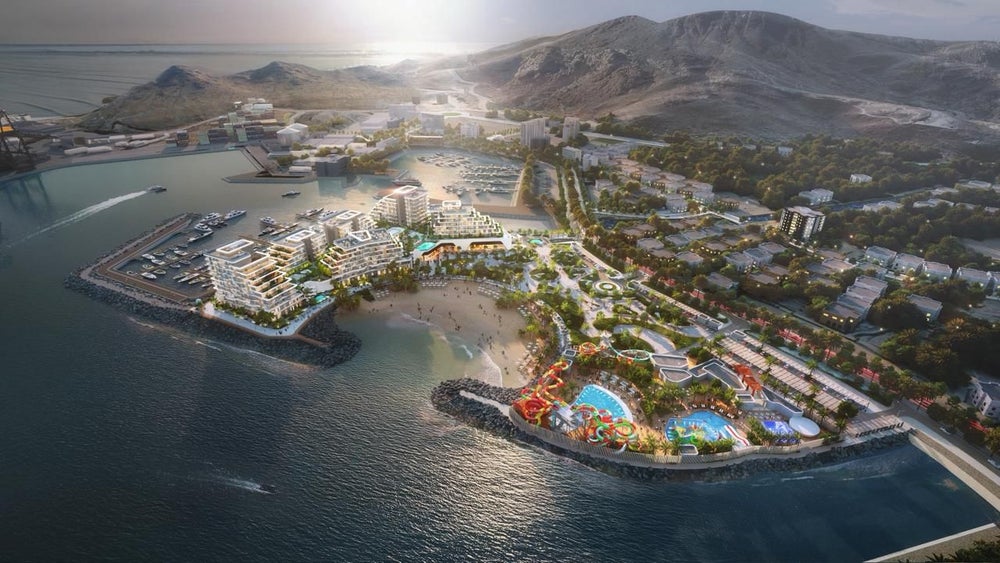 Image courtesy Shurooq
"Real estate only works when people want to live there in twenty years." Al Mutawa says. "Our responsibility is to create places that last."
A new wave of launches is now in its final planning stages, marking what Al Mutawa describes as the most significant progression yet in this development cycle. The details remain under wraps, but the scale and direction of what is coming signals a major chapter ahead for Sharjah's urban future.
A Case Study In Patient Urbanism
Sharjah's evolution offers a counter-narrative in a region accustomed to velocity. It suggests that cities can grow without racing; that communities can densify without losing identity; that sustainability can be engineered quietly rather than broadcast loudly.
Shurooq's developments are not the whole story of Sharjah's rise, but they are among its clearest signals. In a landscape often defined by speed and spectacle, Sharjah is building something rarer: a real estate narrative that reads less like a market cycle, and more like a legacy in progress.