
This Sustainability Leader Is Spearheading Progress in Waste Management Cities across the world face the same stubborn problem of rising waste, aging infrastructure, and public systems that struggle to keep up with growing demand.
Opinions expressed by Entrepreneur contributors are their own.
You're reading Entrepreneur India, an international franchise of Entrepreneur Media.

Cities across the world face the same stubborn problem of rising waste, aging infrastructure, and public systems that struggle to keep up with growing demand. While many people barely think about what happens after trash leaves the curb, David Duong plays an integral role in this overlooked part of civic life. For this Vietnamese American entrepreneur, his work in waste management is both a calling and a way to serve communities. His leadership blends technical expertise with the lived experience of someone who rebuilt his life from nothing — a combination that shapes the tone of The King of Trash documentary.
Two Nations With the Same Waste Challenges
Across the United States and Vietnam, waste systems face similar obstacles. Urban growth increases pressure on local services. Landfills reach capacity. Recycling streams become more complex. Labor shortages and outdated facilities create real limits for cities that want cleaner, healthier environments.
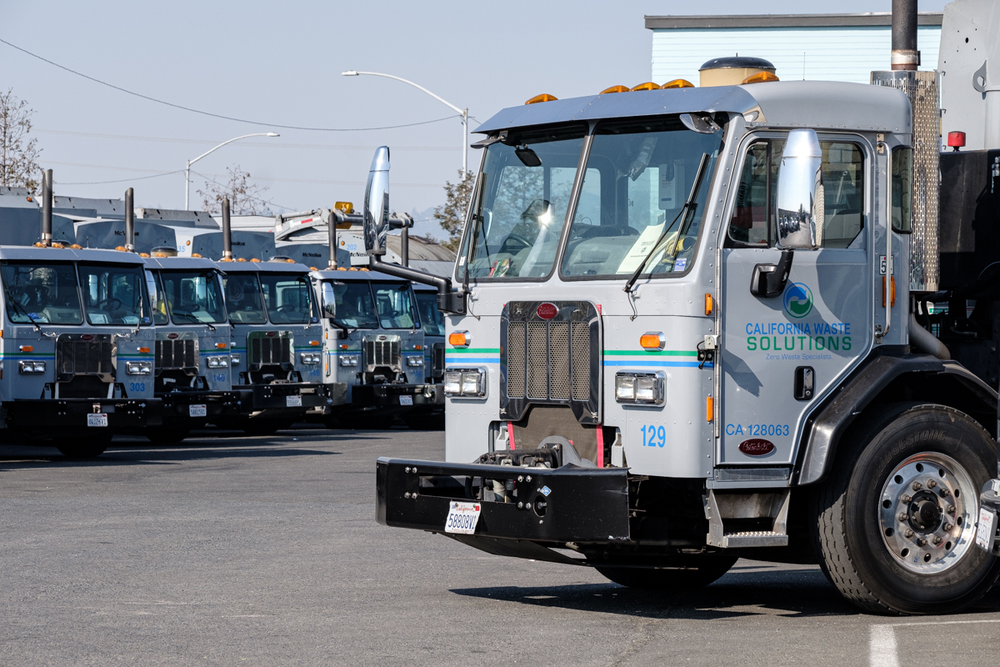
As the Founder and CEO of California Waste Solutions and Vietnam Waste Solutions, Duong has operations in both countries. The former is known as California Waste Solutions Oakland and California Waste Solutions San Jose. These systems process roughly 1,000 tons per week in Oakland and up to 1,300 tons per week in San Jose. He believes in taking a reliable approach to collecting waste and treating workers fairly because cities must trust that the work will get done.
Global Environmental Solutions
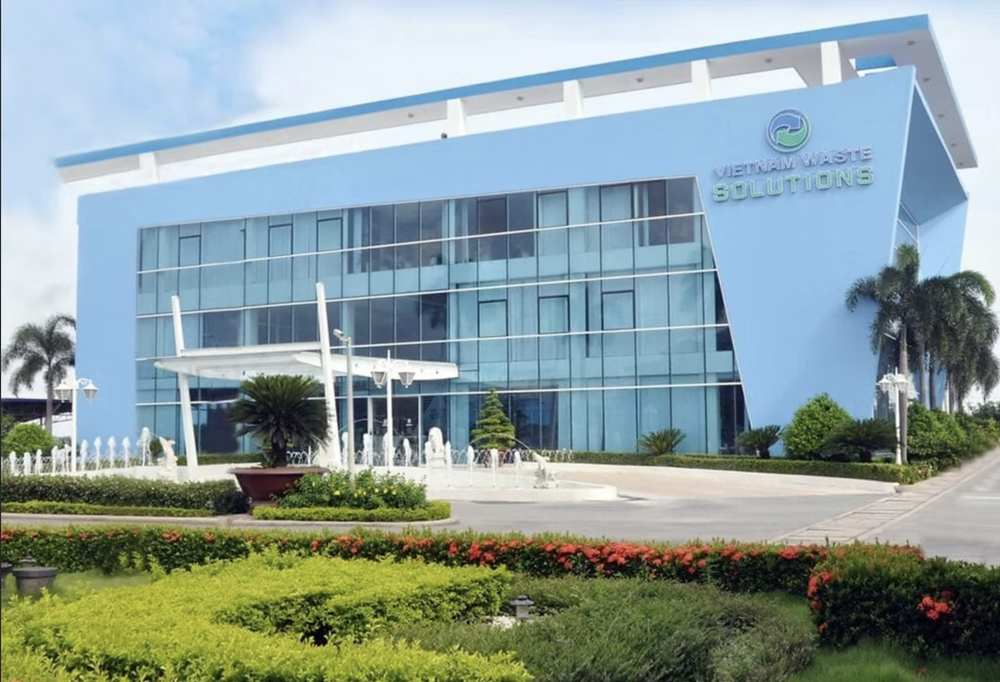
As his success in the United States grew, Duong carried a deep sense of responsibility toward the country his family had left behind. Through Vietnam Waste Solutions, he helped introduce modern waste technology to Ho Chi Minh City. The Da Phuoc Integrated Waste Management Facility became the first and largest site of its kind in Southeast Asia, followed by the Long An Green Environmental Technology Park.
These projects were not easy to get off the ground. Duong faced public criticism, regulatory hurdles, and pressure from all sides. Much of this criticism stemmed from outdated perceptions of how modern integrated facilities operate. The film addresses these misunderstandings directly, offering transparency about a complex system rarely shown to the public. Still, he remained committed to serving millions of residents who needed cleaner environments. "Success is not based on how much money you make, but how much benefit you bring to the community," he says.
Cultural and community preservation remains another consistent focus: Duong has supported Vietnamese language and cultural schools with more than $46,000 in donations, helping younger generations stay connected to their heritage. During moments of crisis, he mobilized more than $105,000 in humanitarian aid for communities devastated by Typhoon Yagi, ensuring relief reached families quickly.
Small Steps Fulfill a Big Dream
Duong's story began in 1975, when he and his family fled Vietnam after the fall of Saigon. The family lost ownership of one of South Vietnam's largest paper-recycling and paper mill companies. In San Francisco's Tenderloin, seventeen family members shared a small apartment. They slept in shifts, worked nights, and relied on one another to survive — scenes captured with intimate detail in the documentary.
They supported themselves by collecting recyclables at night. Duong often recalls his father's teaching: dignity comes from effort, not circumstance.
"I can't let people look down on me. The more they do that, the harder I work," Duong says.
Those early lessons shaped the slow and steady rise of California Waste Solutions, founded in 1992. The company grew not through sudden expansion but through years of earning municipal trust and building routes one by one. Family leadership, including his sister Kristina Duong and brother Victor Duong, helped sustain that growth. Today, with his son Michael Duong emerging as the next-generation leader, the company continues its multigenerational mission.
A Legacy Captured on Film
The King of Trash documentary tells the story of Duong's family. As the son of refugees who arrived in San Francisco with nothing, he learned early that survival often depends on finding value where others see none. His father taught him that "there is honor in every kind of honest work." The King of Trash uses this philosophy as the emotional center of its narrative, grounding large-scale environmental systems in the personal values that helped the family survive their first years in America. That idea stayed with him and later shaped the foundation of California Waste Solutions.
The film traces their escape from Vietnam, their rebuilding in America, and their role in creating environmental systems that support entire cities. It also preserves his father's legacy, who taught them to turn hardship into opportunity. The company that started with eight used trucks is now the primary recycling provider for Oakland and San Jose.
A Measured Approach to Sustainability
David Duong continues to develop environmental systems that stand on reliability, community benefit, and long-term responsibility. Through California Waste Solutions and Vietnam Waste Solutions, and amid growing interest in the David Duong King of Trash story, he reminds people of what's possible. "We found the treasure in garbage bags, and we turned those into gold," he says.


