Faced with the shortage of electronic components Lada, the Russian car brand, will return to manufacture mechanical vehicles
A Croatian media outlet assures that the lack of semiconductors and electronic components forces the company to manufacture its cars they way it did in the 1990s.
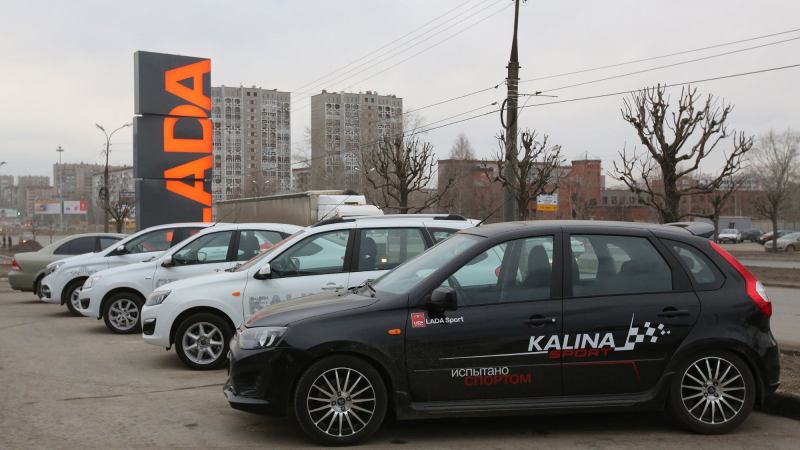
The war in Ukraine has upended the entire world: companies leaving territories, thousands of individuals leaving their lives behind, supplies not arriving where they should, escalating prices, and disrupted supply chains. The Russian car brand Lada has been affected by this situation, as it has not received the parts and spare parts it needs to operate for months. Especially semiconductors, those tiny electronic components (referred to as chips) that perform complex functions at breakneck speeds. Since before the start of the conflict, there was already a shortage of semiconductors due to the accelerated demand for chips caused by the pandemic. The war further complicated matters and many Russian companies have been forced to stop production. But Lada is not one of them.
According to the Croatian media, INDEX HR , in the face of adversity, the automotive company has decided to look to the past and produce cars as it did before the arrival of semiconductors and electronics. The Lada Granta and Lada Niva models will be produced without semiconductor-dependent functions such as airbags, ABS brakes, and traction and stability controls. Lada will build the new cars as it did in the 90s.
The production of other models such as the Xray , the Largus or the Lada Vesta , which depend on components produced by Renault, will be stopped indefinitely and the working week of the plants will be reduced to four days.
Lada’s story
AvtoVAZ Renault Group Dacia-Lada Vladimir PutinThe war in Ukraine has upended the entire world: companies leaving territories, thousands of individuals leaving their lives behind, supplies not arriving where they should, escalating prices, and disrupted supply chains. The Russian car brand Lada has been affected by this situation, as it has not received the parts and spare parts it needs to operate for months. Especially semiconductors, those tiny electronic components (referred to as chips) that perform complex functions at breakneck speeds. Since before the start of the conflict, there was already a shortage of semiconductors due to the accelerated demand for chips caused by the pandemic. The war further complicated matters and many Russian companies have been forced to stop production. But Lada is not one of them.
According to the Croatian media, INDEX HR , in the face of adversity, the automotive company has decided to look to the past and produce cars as it did before the arrival of semiconductors and electronics. The Lada Granta and Lada Niva models will be produced without semiconductor-dependent functions such as airbags, ABS brakes, and traction and stability controls. Lada will build the new cars as it did in the 90s.
The production of other models such as the Xray , the Largus or the Lada Vesta , which depend on components produced by Renault, will be stopped indefinitely and the working week of the plants will be reduced to four days.
Lada’s story
AvtoVAZ Renault Group Dacia-Lada Vladimir Putin