
CES 2026: The Dawn of Physical AI and Everything Intelligent CES 2026 shows a significant shift in personal technology towards deep, contextual AI integration.
By Kul Bhushan
Opinions expressed by Entrepreneur contributors are their own.
You're reading Entrepreneur India, an international franchise of Entrepreneur Media.

The addition of AI to existing and new consumer electronics and services is set to change a lot of user experiences. Good, bad, or mediocre, it's something we will find out in the coming year or so. CES 2026, the annual consumer electronics show and one of the biggest in the world, is seeing AI infusing a lot of categories, ranging from appliances and TVs to robots.
Looking at the announcements and demonstrations at CES, it's visible that personal technology is witnessing a definitive shift from technology that just does the bare minimum to technology that actually understands things contextually. The so-called 'Physical AI' is likely to swarm our living rooms, workplaces, mobility, and more.
It's an AI world
Even before CES 2026, we saw a seismic shift in the AI ecosystem, moving from bare-minimum chatbots to smarter and more contextually intelligent agents. At the conference, we saw that AI is now getting deeply integrated with existing devices and categories, as mentioned above. This will mean that AI will impact both your digital and physical life.
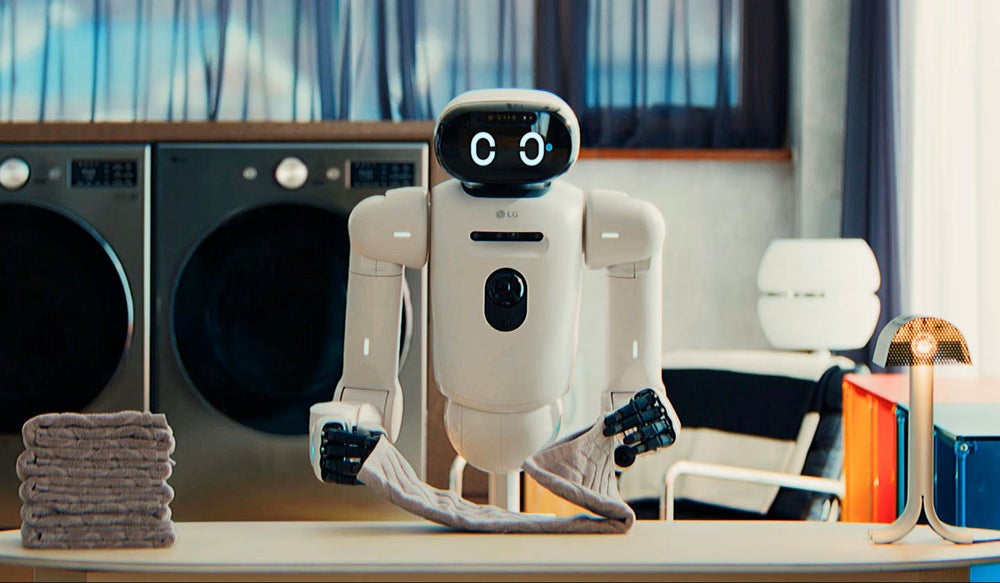
AI is no longer a separate entity or proposition, but a part of the overall package. For instance, Lenovo showcased Qira, a personal ambient intelligence that follows a person across devices. Similarly, the LG CLOiD robot is now like a smarter Roomba with limbs that can open fridges and load dishwashers. For agents, Asus's UGen300 USB Accelerator and AMD's Ryzen AI 400 series showcased the prowess of hardware to run these sophisticated systems, possibly locally.
Mobility: Not just about hardware
It's not that hardware is going anywhere, but it is being upgraded or tweaked to accommodate AI platforms. This transition is most explicit in the automotive industry, and chipset companies are also lapping up this shift. For instance, Qualcomm and NVIDIA are making efforts to mainline AI TOPS (trillions of operations per second), effectively treating the car as a hardware system.
NVIDIA showcased Alpamayo, a Vision-Language-Action (VLA) model capable of allowing a self-driving vehicle to "reason" and explain its driving decisions. Sony Honda Mobility's AFEELA 1 takes this to a new level with Snapdragon Chassis Agents and Siemens' PAVE360 digital twin technology, which enables companies to better simulate and update vehicles in real-time.
Longevity
Healthtech is also becoming more refined with so-called intelligent systems. With physical AI, there are many improvements one can expect. Samsung's Intelligent Care ecosystem showcased how Samsung devices like the Galaxy Ring and Watch can now work in a "closed loop" with home appliances. For instance, if the wearable detects you are in deep sleep, it will automatically instruct the AI-enabled air conditioner to adjust the temperature and even reduce the volume of companion devices.
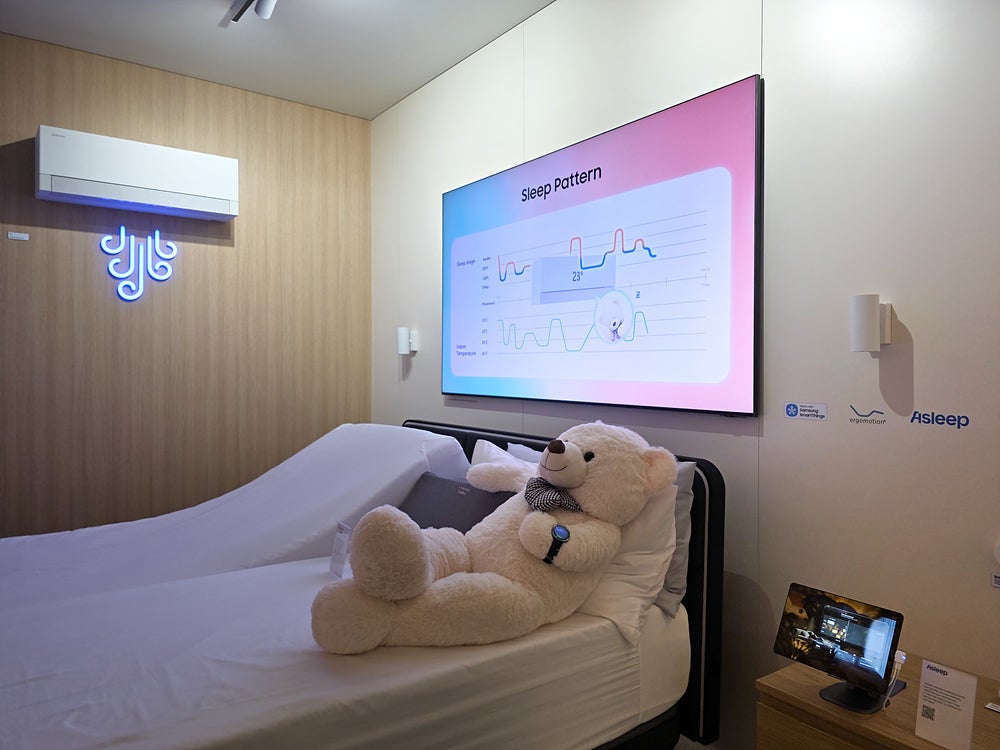
Then there is ambient sensing, which is said to be capable of detecting early signs of cognitive decline. It achieves this through closely monitoring and analyzing changes in facial expressions and speech patterns. The technology is positioned as a possible life-saving diagnostic tool for the future. For seniors struggling with loneliness, there is Jennie, a realistic robotic puppy.
Summing up,
Looking beyond the hype, we are seeing a definitive shift as personal tech moves toward deep AI integration. We are likely getting closer to a reality where AI will become a standard, stable feature in every new product. However, these technologies may undergo multiple iterations of 'on-the-shelf' improvements before they reach anything near perfection.
While 'Physical AI' is set to disrupt the way we interact with everyday gadgets, several apprehensions remain. For instance, will consumers feel compelled to upgrade just for something that has 'more intelligence'? Furthermore, can companies effectively maintain trust if a security breach or a simple malfunction occurs? And then, at the time and era of devices that are 'always listening and always watching,' privacy concerns are only going to intensify.


