
How Medical Alert Systems Are Adapting to New Technologies
Edited by Entrepreneur UK
You're reading Entrepreneur United Kingdom, an international franchise of Entrepreneur Media.

The medical alert industry has been around for some time and has provided a vital service for seniors and those suffering from health issues. When something goes wrong, seniors do have access to emergency help.
New technologies are influencing how medical alert systems are designed and used. Alert systems are continuing to evolve into intelligent networks designed to help identify potential risks earlier, thanks to technologies such as smart wearables and GPS tracking. Thanks to these advancements, these systems are intended to support faster response times and clearer communication, which may contribute to greater confidence for some users.
Now, today's medical alert devices come with features other than a panic button. They may help identify patterns that suggest potential health concerns, support vital-sign monitoring, and integrate with mobile apps and caregiver platforms. Technological advancements are prompting people to reassess the concepts of safety, health, and ageing in place, and what these truly mean.
Thanks to new technologies, medical alerts are becoming more advanced and able to enhance your safety.
1. Fall Detection Sensors And Smart Wearables
Falls are among the leading causes of injury among older adults, and fall detection has become a cornerstone of the medical alert industry. Thanks to the smarter devices and advanced sensors these days, this feature is designed to improve reliability and accuracy.
Newer medical alert devices, like those provided by Life Assure, incorporate accelerometers and gyroscopes, utilizing motion analysis to detect sudden impacts or abnormal motions that may indicate a fall.
These sensors are designed to differentiate between falls and routine activities, reducing false alarms. Moreover, wearable gadgets such as smartwatches and pendants can send an automated alert to monitoring centres in the event of a fall, regardless of the user's ability to press the button or whether they are unconscious.
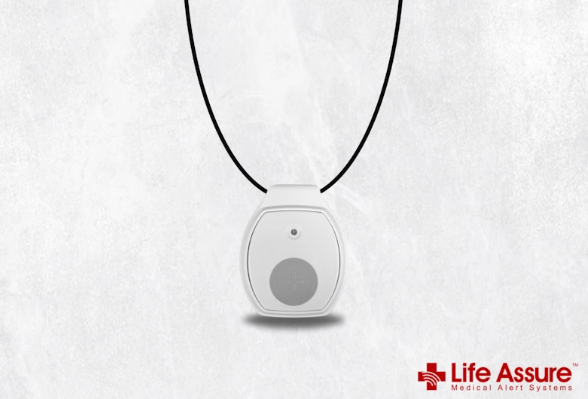 Life Assure
2. GPS Tracking And Location Services
Today, GPS tracking and advanced location services have enhanced the capabilities of medical alert systems. Once, these gadgets mostly performed indoors with wires linked to landlines. The GPS technology of today empowers users with safe devices for on-the-go protection in various settings, such as while shopping, walking in the park, and during transit.
Emergency GPS function allows monitoring centers or caregivers to view location data when available, when an emergency occurs. This is particularly useful for seniors who enjoy staying active or for those with dementia who may wander off and become lost, which can be a dangerous situation.
3. Two-Way Voice Communication
The newest medical alert systems now have two-way voice communication functionality, which allows users to communicate directly with emergency operators through a base station or wearable device. This real-time connection means that you do not need landlines or phones, making assistance more accessible when needed, even during high-stress situations.
Advanced voice-activation features have built-in speakers and microphones that allow people to have clear and hands-free conversations. This helps enable the emergency responders to be able to quickly evaluate the situation, reassure, and send help as soon as possible. For the elderly who are living alone, this may provide additional reassurance for some users, knowing that they can be heard immediately in the case of an emergency.
In addition, noise-cancellation and volume control features are intended to support clearer communication for users with different listening needs. As accessibility features have expanded, two-way communication has become a standard component of modern medical alert systems, allowing them to function more actively during an emergency.
4. Water-Resistant and Durable Devices
One of the most practical innovations in modern medical alert systems is the development of water-resistant and highly durable devices. Many accidents, especially among seniors, occur in the bathroom — a place where traditional electronic devices are often unusable.
Today's water-resistant medical alert pendants and wristbands are designed to withstand water exposure, allowing users to wear them safely while bathing, showering, or washing dishes. This is intended to provide support during particularly vulnerable moments, when the risk of slips and falls is highest.
Beyond water resistance, these devices are also built with rugged, long-lasting materials that can endure daily wear and tear without compromising performance. They maintain their functionality even in humid or outdoor environments, making them reliable companions both indoors and on the go.
With this feature, users no longer have to remove their alert devices for routine activities — designed to operate continuously, including around the clock, and provide greater peace of mind for both them and their loved ones.
Conclusion
This period of change in the medical alert market is being driven by innovative, smart, and caring technology. These developments reflect how technology is being applied to support safety and health needs by enabling predictive monitoring, wearable fall detection, GPS tracking, voice assistance, and cloud connectivity.
Modern systems can now provide continuous health and wellness notifications and emergency alerts. These systems may support independent living for some seniors, while caregivers and medical professionals are informed and connected.
As technology continues to evolve, medical alerts are becoming stronger, smarter, and more personalized. They are also set to become more predictive.


