JobNimbus Shares Some of the Mistakes That Keep Roofing Contractors Stuck—and How to Fix Them
Common mistakes in the roofing business can slow growth, but tech advances can enable a more efficient way of working.
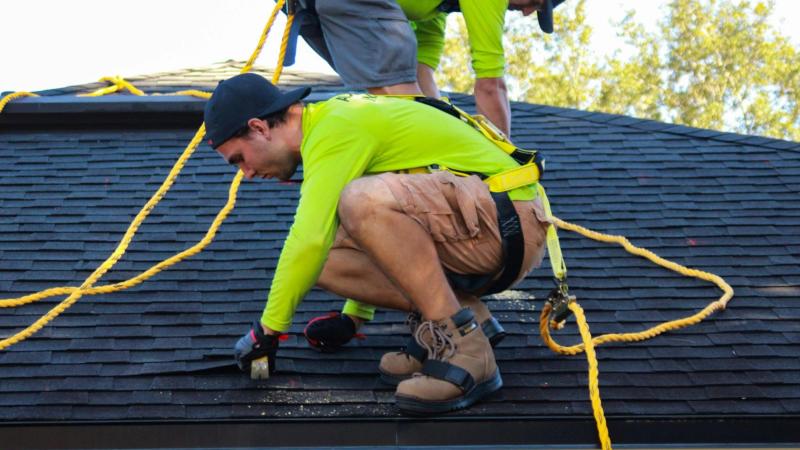
There are more than 96,000 roofing contractor businesses in the United States, Consumer Affairs says. From large, specialty operations to smaller-scale contractors, the scope and success of these businesses can vary significantly.
As Ben Hodson, co-founder and CEO of roofing software company JobNimbus explains, many roofing and home exterior contractors struggle with recurring issues that keep their businesses from running as efficiently as they should.
Understanding how to address these common pain points can help contractors be better positioned to win more work and grow their businesses.
Poor documentation slows down the work
In Hodson’s view, one of the biggest things holding contractors back is the lack of clear documentation across the business. “In roofing, so much of what matters lives in people’s heads. Whatever does get written down ends up scattered across spreadsheets and tools that don’t talk to each other, and the problem only grows as you add crews, teams, and locations. That makes it nearly impossible to delegate or spot the issues hurting the business. What most contractors need is a single source of truth for managing everything from the office to the field,” he says.
Many roofers now use a customer relationship management system (CRM) to run their business. When that platform connects the rest of their tools and data, it can become a system the entire business can run on.
With everything in one system, contractors also have the potential to gain easier access to numbers they can trust. When reporting pulls from the same data the team uses every day, owners can see close rates, job profitability, and performance across the business without reconciling spreadsheets. AI is starting to make that data even easier to reach, so owners can get answers themselves instead of waiting on someone to pull a report.
Slow estimating processes can lose bids
Hodson also sees estimating as a common bottleneck to growth. “Homeowners usually get quotes from three or four roofers, and price is only part of the decision. Speed carries a lot of weight. If your quote shows up a day after two competitors already sent theirs, you’ve probably already lost the job,” he says.
Among the contractors who are struggling with estimated speed, Hodson cites manual processes as the most common problem—and digital tools with linked data as a potential fix.
“That’s where the right tools make a difference. You can order aerial roof measurements, pull live material pricing from your supplier and build a winning estimate in minutes. Your margins are protected, the materials are accurate and you can present a professional digital proposal to the homeowner before you leave the driveway.”
Such systems can have a significant impact on business growth, simply by helping contractors provide the fast estimates customers want.
Rigid payment options can hurt cash flow
Payment options can also hold a business back. Many contractors still take checks, and Hodson points to the overhead that often goes unmeasured. “Somebody has to chase it down, drive out to pick it up or wait for it to show up in the mail. That’s time and money you’re not getting back,” he says.
“The faster a homeowner can pay, the faster you can make payroll and move on to the next job,” he adds. “If getting paid depends on a check showing up in the mailbox, your whole schedule depends on it too.”
Hodson says the key to getting paid faster is removing friction from the process. He recommends offering homeowners the ways they already prefer to pay, like card or bank transfer, and sending invoices by text so they can pay from their phone the moment the work is done.
While the majority of roofers still accept paper checks, a much smaller percentage of homeowners actually want to pay that way. Many would rather pay by card or prefer financing.
He also points to financing as one of the most underused tools in a contractor’s toolkit. Offering financing in the proposal can make bigger projects easier for homeowners to say yes to. When financing is accepted, contractors can close the job without waiting on the homeowner to come up with the full amount.
Streamlining the back-end
Even the most skilled roofing contractors can struggle when their business isn’t set up properly. By addressing common issues with project documentation and data, estimating and client payments, contractors can position themselves to win more jobs while also delivering a better experience for their clients.
By using the right tech tools to streamline their work and keep essential information from slipping through the cracks, contractors can get unstuck.
Entrepreneur Media was not involved in the creation of this content.