Algorithms of Abundance: Dalbin Osorio’s Vision for Equity, Opportunity, and Educational Access in the AI Era
Through literacy programs and children’s storytelling, Osorio explores how more young people can help shape an AI-driven future.
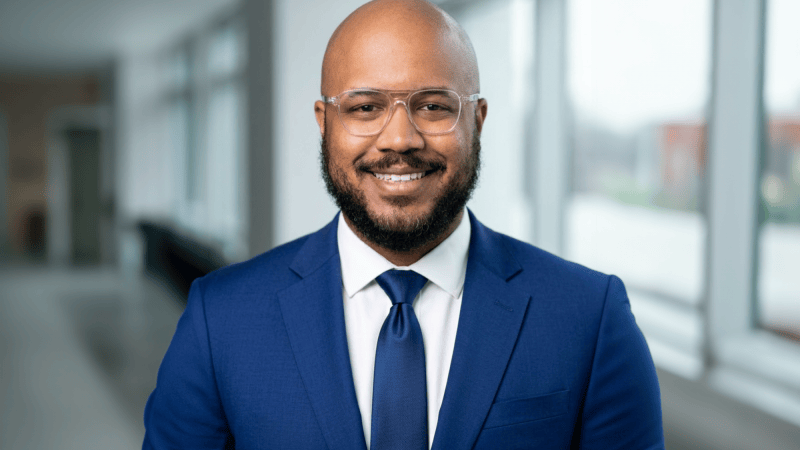
Artificial intelligence is swiftly transforming education, workforce training, and economic mobility. Yet, a fundamental question remains unresolved: who gets access to the knowledge and opportunities that emerge from this technological shift? For Dalbin Osorio, the answer will determine whether AI becomes another force that reinforces inequality or a catalyst for expanding opportunity across communities.
Dalbin has dedicated his career to fighting access barriers that are based on where you live. Whether working in education, policy, youth development, or organizational change, Dalbin has adhered to one simple belief: talent exists everywhere, but opportunity doesn’t.
“The absolute frontier of our industry is the democratization of Artificial Intelligence and advanced equity in education,” Osorio says.
From community leadership to systems of change
Dalbin’s professional journey began in 2004 as a teaching assistant serving young people across New York City communities. What started as direct service evolved into a leadership path focused on building systems that create lasting impact.
Throughout his career, he has worked across multiple levels of change. As Managing Director of Public Affairs for the Montgomery County Education Association, he helped expand community schools from seven campuses to 43 while contributing to efforts that secured an additional $1 million in funding. While leading state policy work at the National Youth Employment Coalition, he developed theYouth Champion Communities (YCC), a national initiative co-designed by Tech: NYC’s Aaron Johnson, Greenlight Fund Baltimore’s Dr. Nia Imani Fields, and Bobby Brown, now at Tech: NYC. This framework, encompassing more than 1,000 best practices from across the country, is designed to accelerate youth economic mobility.
Osorio says is also completing his doctorate at the University of Miami, with a dissertation defense scheduled for November. His research directly connects to the themes of this work, particularly around who is included in, and excluded from, design rooms where systems are shaped.
Today, Osorio is expanding on his doctoral research after his organizational turnaround efforts strengthened infrastructure, improved data reliability, and expanded access to structured literacy instruction for students across Maryland.
“My journey began not at a corporate desk, but grounded in the vibrant, brilliant communities of the Bronx and New York City, working directly with youth,” says Osorio.
Expanding access across communities
AI literacy starts earlier than many think
Building an architecture of opportunity
Osorio describes collaboration rather than competition as an important part of his approach to education and innovation.
“Respectfully, I don’t have competition. I think that’s how we get into trouble as leaders. If the main thing is to make things better for children, youth, and families, and we can grow together in that direction, then let’s do that.”
As conversations about artificial intelligence continue to accelerate, Osorio sees an opportunity to consider questions of access early in its development. “True leadership isn’t about protecting the perimeter of existing institutions; it’s about having the audacity to reconstruct the infrastructure so power flows back to the people,” he says.
Organizations that are interested in expanding technology access can start by looking at where participation drops off in their own programs. Reviewing who has access to devices, training, support, and decision-making roles can help identify practical areas for improvement.
For funders, civic leaders, and education stakeholders interested in literacy, technology, and equity, Osorio’s work offers one approach to those overlapping issues.
Entrepreneur Media was not involved in the creation of this content.