Galen M. Hair Is Rethinking What Disaster Recovery Can Look Like
He turned lessons from disaster recovery into a people-first approach to insurance claims and legal representation.
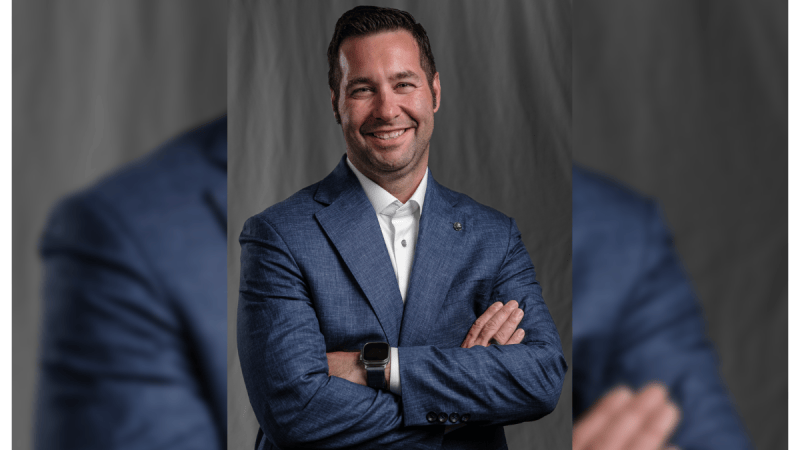
When Galen M. Hair was 11 years old, a tornado hit his street in Arlington, Texas. He had run the school drills his whole life, the kind where kids file into the hallway, drop to their knees, and put their hands behind their necks while teachers shush the giggling. That day, the drill turned real. When he stepped outside afterward, roofs were gone, and walls had caved in. A neighbor’s living room furniture sat scattered across the street. Across the road, a family emerged from what had been their house, frantic because they could not find their dog. Within minutes, the entire street, people Hair had never even met, converged on the yard and started digging. They found the dog.
It took him three decades to understand what that moment meant. Today, Hair leads Insurance Claim HQ, a property casualty insurance litigation firm that represents clients across the U.S. The firm says it has recovered significant settlements for clients across Louisiana, the Deep South, and beyond. Hair insists the number tells only part of the story. What matters more, he says, is what happens to the people behind each file.
The claim is not the client
Hair’s philosophy comes down to one sentence he repeats often. “I don’t represent claim numbers, I represent people.” The insurance industry tends to talk in the language of policies, adjusters, coverage limits, and reserves. Hair says he sees something different behind every file that crosses his desk. A family figuring out where they will sleep. A business owner trying to reopen. A community trying to piece itself back together after a catastrophe.
That difference points to a broader challenge in insurance recovery. After a major loss, policyholders can find themselves trying to understand complex coverage, document damage, determine the cost of rebuilding, and pursue a claim while simultaneously dealing with displacement, repairs, lost income, and the other consequences of a disaster. The physical disaster may be over, but the recovery process can become a second crisis of its own.
That distinction came from New Orleans, where Hair showed up after Hurricane Katrina as a young volunteer with no legal background and no real plan beyond helping out. He has described Katrina as a formative experience, one that changed the way he thought about disaster, recovery, and the systems people depend on afterward. Hair came away believing that many of the systems people expected to help them recover had fallen short. Yet, the city did not stay broken. Churches rebuilt their sanctuaries before residents secured their own housing. Neighbors gutted out each other’s homes while their own sat unfinished. People arrived from other states and other countries, bringing tools, time, and money they could not really spare. Hair calls that moment the entire city of New Orleans coming out to find the dog.
The second disaster
The storm is rarely the entire disaster. A homeowner survives a hurricane, only to discover that the insurance settlement will not cover the cost of rebuilding. Hair says he has seen what happens when that second disaster drags on, and he points to consequences that can extend well beyond the financial ones, including strain on families, personal setbacks, and cases where people stop fighting because they no longer believe it is worth it.
For Hair, this is where the industry’s technical claims process meets the human reality of disaster recovery. A claim can be processed without resolving the larger problem facing the policyholder. Determining what is covered, documenting the full extent of a loss, and pursuing a resolution can take months or longer, leaving property owners to navigate a complicated system while trying to rebuild their lives.
He saw a different response after Hurricane Laura hit Lake Charles, Louisiana in 2020, the same year he founded Insurance Claim HQ. More than 100,000 homes were affected. Electricity, water, cell service, and grocery stores were all gone for weeks. Hair expected to find a community with its spirit broken. Instead, he says he found people grilling on the street to feed their entire block and congregations holding services outside next to the wreckage of their sanctuaries.
One man had lost his home, and most of his belongings, and his insurer was slow to respond. Rather than fighting for his own payout, the man spent his days helping neighbors patch roofs, clear debris, and find temporary housing. When Hair asked why, he says the man looked at him as if the answer were obvious. His insurance money had not arrived, and it might never come. His neighbors had shown up anyway, and that was enough to keep him going.
Building a company around a conviction to do better
Hair says he built Insurance Claim HQ around a conviction about how a law firm should operate. He saw a gap between how insurance claims are processed and how people actually experience disaster recovery, and built his company around closing it. His model extends legal representation well beyond litigation, encompassing education, documentation support, and advocacy throughout the recovery process, he says.
Hair has written “Picking Up the Pieces: Surviving Your Property Damage Claim” and built a library of free resources to help policyholders navigate claims on their own. His firm also hosts the annual Level Up Claims Summit, bringing together professionals across the claims and restoration industries to discuss strategy, operations, and emerging technology.
Climate-related catastrophes and rising risk are starting to put pressure on claims models everywhere. Technology may speed up the process, but Hair’s central argument is that efficiency cannot replace representation.
That argument can hold a lesson for founders outside insurance, too. A company that’s built to serve people during a crisis is often judged by how it treats someone on their worst days. Hair’s growth from a single Louisiana office into a firm serving clients nationwide came from holding that standard rather than trading it away for scale, he says.
Hair says it can trace back to the same lesson from New Orleans. People who lose almost everything likely need more than another form to fill out. They often need someone who is willing to show up. For Hair, that lesson has become the foundation of a company built that’s around one problem: the gap between processing an insurance claim and helping a person recover.
This article is for informational purposes only and does not constitute legal or financial advice. Individual case results vary, and past results do not guarantee similar outcomes in any future matter.
Entrepreneur Media was not involved in the creation of this content.