Kiran Krishnan: Moving Emerging Scientific Ideas into Popular Discussions
Scientific discoveries are important and often have implications for public wellbeing, but they sometimes need communicators to reach broader audiences.
Science is, by nature, a complex subject. This is particularly true of emerging sciences like microbiome studies, as the general lack of reliable, publicly available information can make it difficult for laypeople to translate discoveries in those fields into data that could be relevant to their everyday lives.
Science communicators have become increasingly important as a result, as their expertise in their subjects of interest makes it possible for them to convey complicated scientific discoveries in ways that make them both understandable and practical for non-specialists.
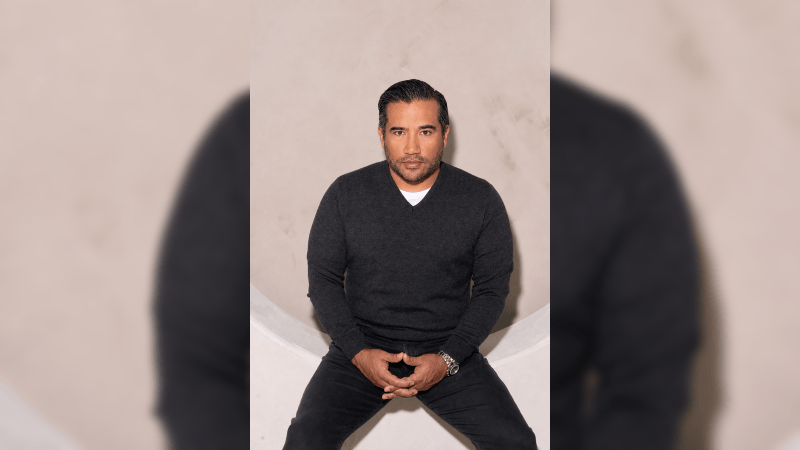
One such communicator is Kiran Krishnan, a prominent research microbiologist, clinical researcher, entrepreneur, and scientific educator with more than 20 years of experience. His work has played an important role in moving emerging scientific ideas from the laboratory into popular conversations about wellness, nutrition, and human biology.
From academia to R&D
As a microbiologist, Krishnan’s work centers on the microbiome and its relationship to nutrition, immunity, wellness, and broader concepts regarding human biology. Before beginning professional research, however, Krishnan started as a student at the University of Iowa, where he was educated and trained in research microbiology.
He later co-founded Microbiome Labs, serving as its Chief Scientific Officer before leaving to work on other projects. Here, he transitioned from pure academic research to research and development for microbiome-related technologies, retaining the company’s emphasis on scientific development while placing more focus on creating products.
Keeping in line with this new, more entrepreneurial direction, Krishnan has since founded or helped lead several businesses and educational ventures, including EndoAxis Labs, The Biome Learning Center, PhytoVeda US, and SIV Care, all of which aim to turn emerging scientific discoveries into novel wellness solutions.
Krishnan says he has designed or overseen more than 35 human clinical trials and is named on multiple U.S. and international patents related to microbiome technologies. He has also contributed to a variety of peer-reviewed publications and book chapters, lending his expertise and science communication skills to better explain complex concepts in microbiology and immunology.
Although much of Krishnan’s work today is entrepreneurial in nature, he still discusses the importance of scientific research, particularly in emerging fields like microbiome science where new discoveries could provide important insights into the relationships between human biology and nutrition. He has lectured numerous healthcare practitioners worldwide, giving him a prominent role in microbiome education.
A function-led approach
One of Krishnan’s newest ventures, QuantBiotics, reflects his view of where microbiome research may be heading. The company is developing a framework for creating precision probiotics and synbiotics based on the biological functions associated with a particular health condition. Rather than beginning with familiar or extensively studied strains, the process starts by identifying the functions researchers want to restore and then works backward to determine which combination of microbes could potentially deliver them.
QuantBiotics calls its proprietary platform the Biome E.N.G.I.N.E.™, short for Ecological Network-Guided Intelligent Next-generation Engineering. According to the company, the platform brings together systems biology, microbial ecology, comparative genomics, computational modeling, artificial intelligence, and human clinical research. Formulation data and clinical outcomes can then be incorporated into the system to inform subsequent research and development.
As with any science-based venture, there is always some skepticism about outcomes. But for Krishnan, QuantBiotics builds on his work translating microbiome research into what he believes are practical applications. His long-term aim is to develop a continuously learning platform that can support the study and design of increasingly targeted microbial ecosystems, although their potential role in preventive healthcare will depend on continued research and clinical evidence.
Krishnan’s long-term vision
Across these ventures, Krishnan says his broader mission has been, and will continue to be, to translate technical research into ideas that professionals and the public alike can more easily understand. For professionals, that may enable further business creation in the field of microbiome science; for the public, such discussions could help raise consumer awareness, accurately highlighting what is and isn’t currently known within the field.
Communicating complicated research is an art, requiring a firm understanding of the subject at hand without overstating what is known. Krishnan has thus far managed to walk that fine line, informing both technical and popular conversations around microbiome science while avoiding the urge to misrepresent the current state of the field. In doing so, Krishnan stands as an example of how academics can navigate research and entrepreneurship without alienating the people scientific discoveries are meant to benefit.
Entrepreneur Media was not involved in the creation of this content.