Sahil Nyati’s Vision for Connecting Global Talent, Mobility, and Immigration
What began as a personal question about his own career has evolved into a larger one: What would global talent look like if the systems surrounding it actually worked together?
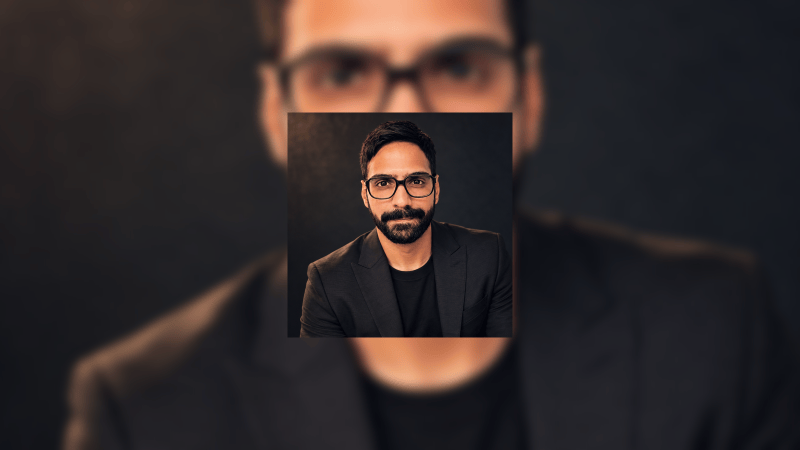
Sahil Nyati believes one of the biggest missed opportunities in professional life happens when talented people become excellent at their jobs but never build a body of work beyond them.
For Nyati, the idea became personal while navigating his own U.S. immigration journey. He says his experience reflected what he sees as a familiar pattern among many professionals, particularly those from South Asian backgrounds: study hard, build a strong career, focus on work and family, and keep progressing.
Talent-based immigration forced him to examine that formula differently. When he began studying pathways designed for people with extraordinary ability and achievement, he realized that strong performance inside a company was only one part of a broader professional record.
He could see areas where his existing work was strong and others where his professional footprint was limited. Instead of asking only how to satisfy a particular immigration criterion, he began considering a broader question: “Why am I not doing this already?”
If someone has developed meaningful expertise, why not share it? Why not contribute to the profession through writing, speaking, mentorship, research, open-source work, judging, or other forms of participation that can benefit people beyond a single employer?
That question eventually became part of the philosophy behind Jinee Green Card, the immigration preparation company Nyati co-founded, and later helped shape a much broader thesis behind Meritmap.
Building a career, not a checklist
Nyati’s philosophy centers on becoming better at one’s work, contributing meaningfully to the field, and viewing professional recognition, career opportunities, and potential immigration pathways as possible outcomes rather than the primary goal.
That distinction has influenced how Jinee Green Card approaches talent-based immigration preparation. Rather than manufacturing accomplishments around an application, the focus is on helping professionals understand their existing profile, identify gaps, find relevant opportunities, document impact, and become more deliberate about contributing to their professional communities — an approach reflected in the outcomes clients have shared publicly.
“The professional has to remain the subject matter expert,” Nyati says. “Technology and a support team can eliminate research, outreach, organization, and administrative work. But they can’t make your contribution for you.”
It is also why Nyati argues that someone who begins thinking this way early enough in a career may never need a service like Jinee Green Card. However, applying for employment-based citizenship via the EB-1A visa (green card) often carries a high risk of denial or heightened scrutiny if your evidence lacks organic, real-world depth.
Nyati argues that a professional who consistently develops expertise, shares meaningful work, participates in professional communities, builds useful projects, helps others, and documents impact may also strengthen their career and make their contributions more visible. Immigration can become one potential outcome of that larger body of work.
From immigration to global talent
Building Jinee Green Card also exposed Nyati to a larger problem. Immigration was only one piece of a professional’s global career.
Companies simultaneously have to think about how talent is developed, where employees can work, how they can move between countries, immigration and work authorization, compensation, benefits, payroll, and long-term retention. Yet those functions are often managed through different teams, software systems, law firms, and service providers.
That fragmentation became the foundation for Nyati’s broader work through Meritmap.
Meritmap is being built around four interconnected areas of global talent: talent management and development, global mobility, immigration and visa preparation, and global employment, compensation and benefits. Technology and artificial intelligence operate across those areas as an enabling layer rather than a replacement for professional expertise.
Nyati believes the opportunity is to connect decisions that historically have been made separately. An organization that is evaluating an employee for an international opportunity, for example, may need to understand that person’s skills, mobility options, immigration considerations, relocation requirements, compensation differences, and employment structure as parts of one talent decision.
A serial entrepreneur’s approach to fragmented problems
The idea reflects a pattern in Nyati’s entrepreneurial work: identifying systems where important information, services, or decisions remain fragmented and trying to build better infrastructure around them.
That approach now informs Meritmap’s ambition in global talent. The company is exploring how technology can reduce administrative burden around global careers while keeping decisions requiring human or regulated expertise in the hands of the appropriate professionals.
For Nyati, the end goal is larger than immigration. “Talent is already global,” he says. “The infrastructure around that talent hasn’t caught up.”
His vision is a world in which professionals have greater access to opportunities across borders, while organizations have better systems for developing, moving, employing, and retaining talent.
For business leaders, a practical starting point is to map one cross-border talent decision from beginning to end. Listing every team, system, approval, and outside provider involved may reveal repeated work, unclear ownership, or avoidable delays. Rather than replacing the entire process at once, an organization could select one recurring handoff, such as the transition from talent planning to mobility or immigration, and test whether shared information or a clearer workflow improves it.
What began as a personal question about his own career has evolved into a larger one: What would global talent look like if the systems surrounding it actually worked together?
That is the question Nyati and Meritmap are now trying to answer.
Entrepreneur Media was not involved in the creation of this content.