From Nonprofit Fundraising to Franchise Ownership: How One Leader Built a Business of Her Own
After a career in nonprofit fundraising, Abby Smayda applied her relationship-building expertise to open boutique fitness studio barre3 Redondo Beach.
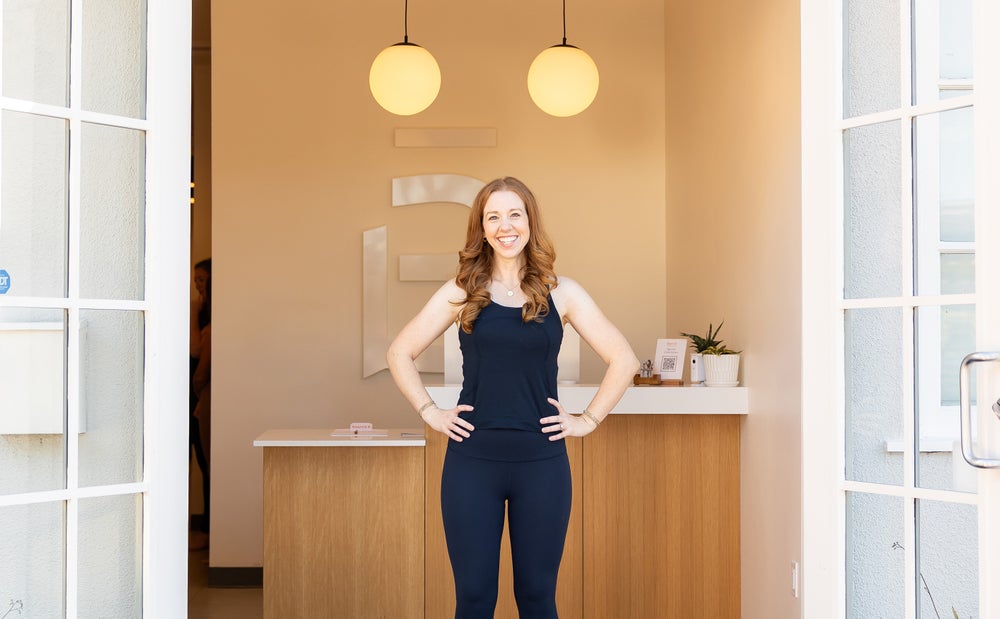
For many high-performing professionals, success eventually comes with a tradeoff: you become exceptional at helping organizations build lasting legacies—but they aren’t always your own.
Abby Smayda spent more than a decade doing exactly that. As a nonprofit fundraising professional working with organizations including the Whitney Museum of American Art and the Sundance Institute, she managed major donor relationships, coordinated complex initiatives, and helped grow communities around missions she deeply believed in.
But after her children were born early in the pandemic, Smayda stepped away from the workforce. When she began thinking about returning, she realized she wanted something different: the opportunity to build a business of her own.
“It wasn’t one particular moment,” she says. “It was a realization that kept resurfacing—a voice in my head that wouldn’t go away.”
Rather than leaving mission-driven work behind, Smayda began searching for a path to small-business ownership where she could apply the same leadership and relationship-building skills she had developed in her institutional career—this time toward something she could build herself.
That search eventually led her to franchise ownership and the opening of barre3 Redondo Beach, a boutique fitness studio rooted in a signature approach to mindful, full-body workouts.

The leadership skill that translates to franchise success
For Smayda, the leadership skill that translated most directly from her previous career into entrepreneurship was strategic relationship-building.
“In fundraising, there’s a structured cycle: identification, cultivation, solicitation, stewardship, and retention,” she explains. “At its core, it’s about building trust over time.”
At institutions like the Whitney, that meant managing high-net-worth donor relationships through thoughtful engagement and personalized communication. Success depended not only on securing support, but on cultivating lasting loyalty.
Smayda realized the same framework could apply to building a studio community.
“The principles are almost identical,” she says. “People stay where they feel seen and appreciated.”
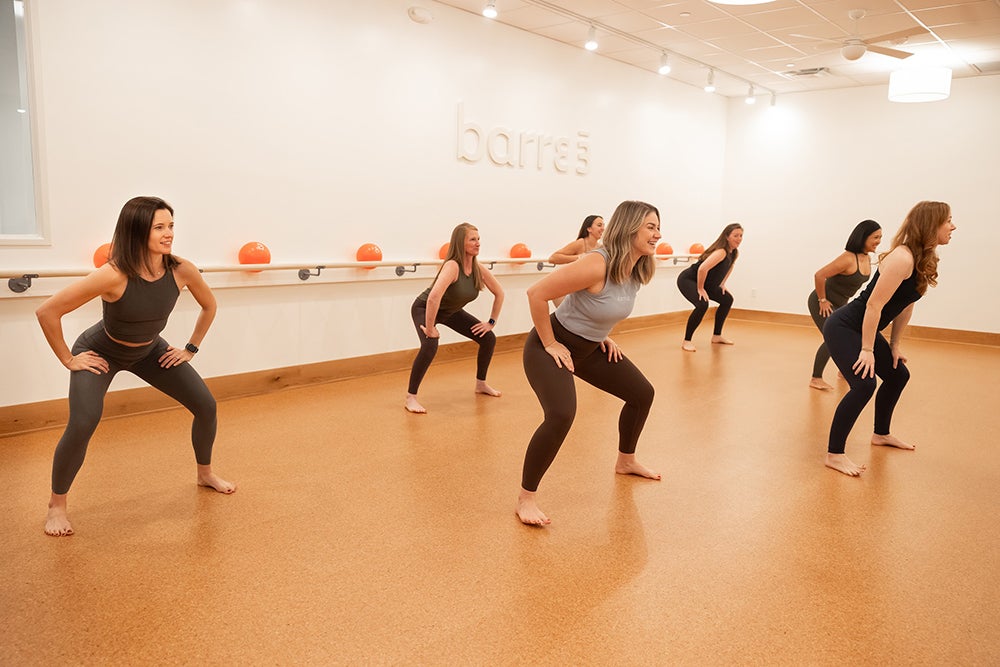
Inside barre3 Redondo Beach, that philosophy shapes how new members are welcomed, how feedback is addressed, and how milestones are celebrated. Small gestures—handwritten notes, personal check-ins, or recognizing achievements in class—reinforce a deeper relationship.
Over time, those moments build trust, loyalty, and a sense of belonging—an advantage in a relationship-driven business like boutique fitness.

Why system strength matters
For executives considering entrepreneurship, one key decision is whether to build a business from scratch or invest in a proven system. For Smayda, that choice was clear.
She first discovered barre3 in 2017 as a client and immediately felt something different about the experience. The brand offers a full-body, low-impact workout that blends strength, cardio, and mindfulness into functional fitness. Designed to support the way women move, the movements are engineered to help members feel balanced and strong from the inside out.
“I had tried other studios, but nothing felt like barre3,” she says. “It felt inclusive, empowering, and genuinely welcoming.”
Over time, Smayda experienced the brand not only as a client but also as an instructor and Client Engagement Lead, giving her a deeper understanding of the operational systems behind the studio model. When she began seriously evaluating franchise ownership, those systems became a major factor in her decision.
For Smayda, those systems weren’t just about efficiency—they reflected the advantage of joining an established franchise network designed to support owners at every stage. Barre3’s Support Center provides dedicated guidance across real estate selection, studio design, and marketing strategy, while an integrated studio management platform offers owners real-time insight into membership trends and studio performance. Just as important, owners become part of a collaborative network of studio leaders who share best practices and support one another as their businesses grow.
In 2026, barre3 ranked as the #1 barre fitness franchise in Entrepreneur‘s Franchise 500, one of the industry’s most widely recognized benchmarks for franchise performance.
“We look for leaders like Abby who are invested in our mission to bring mindful movement to more women—and who bring strong business acumen and transferable leadership skills,” says barre3 President Emerald Lopez. “Our goal at barre3 is to provide the operational backbone so these entrepreneurs can focus on what they do best: building meaningful connections that support a thriving business.”
For Smayda, that recognition reinforced what she had already seen from the inside: a brand with the infrastructure and momentum to support long-term growth.
“Starting a business from scratch could have been exciting,” she says. “But barre3 offered a proven framework—and a network of experienced studio owners—that allowed me to focus on what I do best: building relationships and creating community.”
Running a studio like a CEO
Today, Smayda approaches studio ownership with the mindset of a business leader responsible for orchestrating a complex ecosystem—using the operational systems and performance insights provided by the franchise network to guide membership strategy and studio growth.
Her role spans team development, membership strategy, and community partnerships across Los Angeles’ South Bay community. Drawing on her background in sponsorship activation, she has focused on integrating the studio into the local business and nonprofit ecosystem through collaborative events and partnerships. barre3 Redondo Beach’s grand opening week featured activations with local partners, and the studio later hosted an International Women’s Day event in collaboration with lululemon—bringing members and local leaders together in celebration of women’s strength and leadership.
“Every partnership starts with listening,” she says. “I meet with local business owners and community partners, understand their goals, and look for ways we can create something meaningful together.”
For Smayda, these collaborations are about more than marketing. They’re about building a community hub where members feel connected.
“Ownership means taking responsibility for how the business grows and evolves,” she says. “You’re constantly learning, adapting, and thinking about the bigger picture.”
A different definition of success
Studio ownership has reshaped how Smayda defines professional success.
Earlier in her career, impact was measured through fundraising goals and campaign milestones. Today, success looks more personal: building opportunities for her team, supporting members’ growth, and creating a space that strengthens the local community.
“The skills I developed in my previous roles didn’t disappear,” she says. “If anything, they’ve become even more valuable.”
For professionals considering a similar transition, franchising can offer a way to apply those leadership skills in a new arena—one where the legacy they’re building is their own.
Is it time to build your own legacy? Your leadership experience is the foundation for a thriving business. Discover how the barre3 franchise system empowers executives to transition from corporate leadership to small business ownership. Start the conversation at barre3.com/franchise.