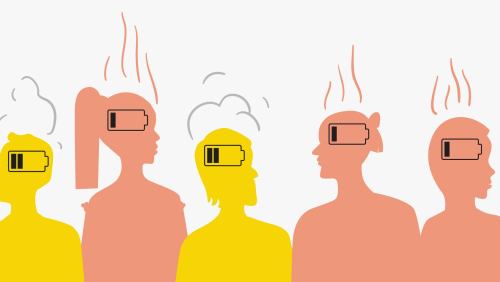
You can tell a lot about a company by how it helps its employees handle pressure. While mental health-related benefits matter, education and promoting their value internally are what turn them into tools people actually use.
Sometimes there's someone on our staff we adore — they're wonderful, they're great to work with, they're talented … but they just don't fit in with your company's short- and mid-term growth goals. How do you let go of someone you hold dear?
It's no secret that our mental health system is failing millions of Americans every year. Instead of trying to mend a broken model, it's time to reinvent the whole thing.
We're watching the death of workplace communication and the birth of a new kind of cowardice: one where being professional means being processed and where sounding smart means sounding artificial.
What makes someone a strong, capable leader? Asking thoughtful questions by leadership not only builds confidence and drives growth, but it also helps teams flourish.
As the word "burnout" loses meaning through overuse, leaders must shift their focus from in-office fixes to creating a culture of wellness outside the workplace.
In an era where remote and hybrid work arrangements are reshuffling traditional office dynamics, thoughtful, personalized benefits are becoming a powerful differentiator. The bottom line is really simple: If you want to support your employees, address their long-term financial needs.
Everyone agrees: loyal employees should be rewarded. But how and with what? Almost nobody agrees on this, yet getting it wrong is one of the fastest ways to see your employee retention rate plummet.
Employees across generations are feeling overloaded with work — and this rising stress is being exacerbated due to a lack of clarity around what they're working towards.
Businesses should move away from the outdated "the customer is always right" mindset, which often leads to employee burnout, high turnover and, ironically, poor service quality. Here's how to prioritize building genuine relationships and empower employees to use empathy and their own judgment when addressing customer needs.