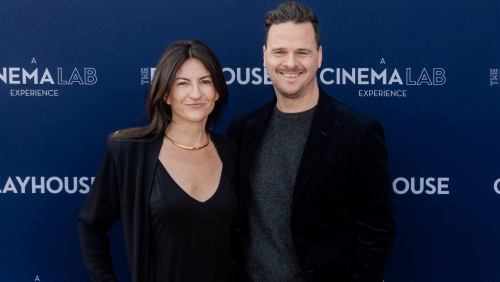
Tory Tunnell and Joby Harold, the married producer team running Safehouse Pictures, discuss their company's 20-year history in the film industry and how they see its future.
My company is based in southern California; I've had to evacuate my home once already because of the fires. It's been very touch-and-go — but I'm still running my business. Here's what I've learned about being prepared for any natural disaster, especially as they become commonplace.
Discover the bold moves and strategic risks that catapulted these entrepreneurs to success. Learn how their fearless decisions can inspire your own path to growth.
As companies digest the hard-won lessons from this volatile year, 2025 looms with both new risks and fresh opportunities for those prepared to navigate a landscape where adaptability is key to survival.
Entrepreneurs are often lauded as being risk-takers. But there's a distinction between being a risk-taker and being brave — and only the latter is necessary for entrepreneurs.
In a landscape where cyberattacks, regulatory fines and reputation threats loom large, proactive risk management is not just an option — it's essential for long-term success.
Join us for this free webinar and discover the key factors for assessing and managing risks at your business locations to minimize environmental and economic threats.
Succeeding in business and life always involves a degree of risk. Knowing how to take risks, when, and how to mitigate risks is essential to finding success.
In business, we often hear the word "bold." It paints a picture of a brave person taking big steps and making tough decisions. But what does being "bold" in business really mean?
Entrepreneurs are often risk-takers. It takes a certain level of bravery and confidence to take the plunge into entrepreneurship and make it successful. Taking risks is often seen as something to be feared, but when done correctly, it can lead to great rewards.
Chaos engineering is a popular idea in software engineering, centered around the premise that deliberately breaking a system to gain information will ultimately help improve that system's resiliency. Given the uncertainty of our times, CEOs might want to apply this type of approach in their corporate sustainability strategies.