20 Years Ago, BlackBerry Ruled the Smartphone Market. Now It’s Depending on a $950 Million Product That Has Nothing to Do With Phones.
BlackBerry is exploring two new markets in an effort to stay relevant.
Key Takeaways
- BlackBerry barely kept itself afloat after the launch of the iPhone in 2007 changed the smartphone industry.
- Over the past two decades, it has reinvented itself and begun selling software for cars.
- Its software is now embedded in 275 million cars.
For many people, the word BlackBerry still conjures up images of the sleek keyboard phones that defined the early smartphone era. However, the company behind that once-ubiquitous brand has spent years remaking itself into a software business. Now, investors are starting to pay closer attention to the transformation.
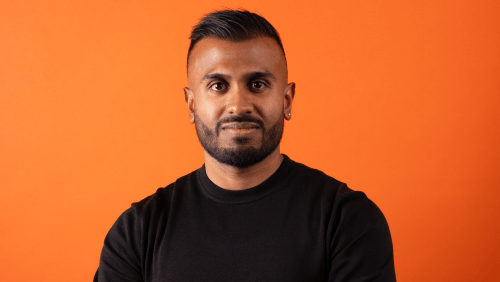
John Giamatteo, CEO of BlackBerry, joined CNBC’s The Tech Download podcast recently to discuss the company’s transformation and how it is preparing for a future dominated by AI. Though BlackBerry remains a recognizable and iconic brand, its business today is far removed from the smartphones that defined it two decades ago.
Two segments drive most of BlackBerry’s revenue. The first is secure communications. BlackBerry now provides encrypted and secure communications software to governments and other customers that cannot afford to have sensitive conversations intercepted or compromised.
BlackBerry’s flagship SecuSUITE platform encrypts voice calls, messages and file sharing across mobile and desktop devices. It also verifies user identities and protects communications.
The second pillar of BlackBerry’s business is QNX, the behind-the-scenes software operation that helps make vehicles run safely. QNX supplies automakers with operating systems and embedded software for functions where a glitch can be dangerous. The technology supports everything from braking to driver assistance systems.
QNX is now a significant player in the safety automotive software space. BlackBerry has embedded QNX in 275 million vehicles worldwide.
“While the products that we offer to our customers around the world can’t necessarily be held in the palm of your hands like the old devices, those values of security, trust and innovation still shine through in the software and services and the other solutions that we deliver to the market today,” Giamatteo said on the podcast.
One of BlackBerry’s fastest-growing businesses
Giamatteo views QNX as the potential foundation for AI-powered machines that operate in the real world, including autonomous vehicles, warehouse robots, industrial equipment and medical devices.
He said that as software takes on a greater role in controlling moving machines, it must respond predictably and meet rigorous safety standards. That is exactly the environment that BlackBerry envisioned for QNX.
Robotics is one of the company’s “fastest-growing businesses inside the QNX portfolio,” Giamatteo said. BlackBerry is driving revenue from the sector. The company registered $950 million in orders for QNX, Giamatteo disclosed without going into specifics.
BlackBerry’s share price has doubled this year as investors take note of the company’s focus on its two major businesses, per CNBC.
BlackBerry faced pressure to reinvent itself after the iPhone launched in 2007 and set a new industry standard almost overnight. The company began rebuilding around software in the early 2010s, but its transformation became official in 2016, when it stopped designing its own smartphones to focus fully on software.
Key Takeaways
- BlackBerry barely kept itself afloat after the launch of the iPhone in 2007 changed the smartphone industry.
- Over the past two decades, it has reinvented itself and begun selling software for cars.
- Its software is now embedded in 275 million cars.
For many people, the word BlackBerry still conjures up images of the sleek keyboard phones that defined the early smartphone era. However, the company behind that once-ubiquitous brand has spent years remaking itself into a software business. Now, investors are starting to pay closer attention to the transformation.
John Giamatteo, CEO of BlackBerry, joined CNBC’s The Tech Download podcast recently to discuss the company’s transformation and how it is preparing for a future dominated by AI. Though BlackBerry remains a recognizable and iconic brand, its business today is far removed from the smartphones that defined it two decades ago.
Two segments drive most of BlackBerry’s revenue. The first is secure communications. BlackBerry now provides encrypted and secure communications software to governments and other customers that cannot afford to have sensitive conversations intercepted or compromised.