Want Someone’s Attention? Just Use These Three Magic Phrases from Master Negotiators
These strategic words can quickly earn people’s trust.

Key Takeaways
- Master negotiators Chris Voss and Jonathan B. Smith discuss how to quickly get someone’s attention, earn their trust, and get what you want.
- The key is to help them feel seen and validated, at which point they’re more receptive to you.
- Simple word changes can signal that you respect someone’s time and attention.
Everyone’s busy. So how do you get someone to help you?
The answer: Make them feel heard and respected — with some very carefully selected words.
When people feel understood and valued, they naturally want to help you. They open up, collaborate, and say yes to things they might otherwise reject.
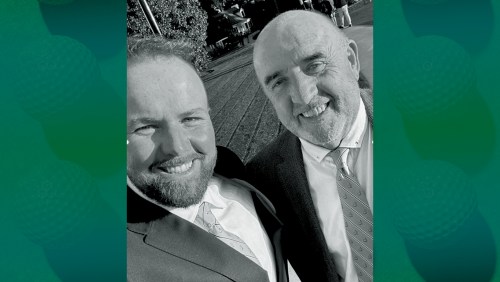
Jonathan B. Smith has spent a career figuring this out. He works closely with former FBI hostage negotiator Chris Voss, whose book Never Split the Difference has become a bible for negotiation tactics.
Now Smith has his own book, Fight Less, Win More, which builds on the lessons from Voss’s book — and teaches people how to connect with others and get what they want.
Voss especially loves Smith’s “magic wand phrases” — simple words that immediately make people feel better, and turn any interaction to your favor.
Here are three of their favorite phrases, which you can use whenever you need to get someone’s attention.
Magic Phrase #1: “You Look Important”
When to use it: When you need someone’s help.
How to use it: Approach them and literally say, “You look important.”
Why it works: Because most people feel undervalued and overlooked. By acknowledging their importance in any situation, you immediately elevate their status and make them feel seen. They want to live up to that recognition.
For example, Voss likes to use this phrase in the grocery store. If he’s looking for something and can’t find it, he’ll approach an employee and say, “You look important.”
When he does, the employee’s entire demeanor changs. “They go, ‘Oh! No, no.’ But they feel better already,” Voss says. And they’re very happy to help.
Magic Phrase #2: “Is Now A Bad Time to Talk?”
When to use it: When you want someone’s time.
How to use it: Say it instead of asking, “Is now a good time to talk?”
Why it works: Because when you ask someone if it’s a “good time” to talk, you’re putting them on the defensive. They must now either say yes (which they might not want to do), or say no (and feel bad). But when you ask if it’s a “bad time,” you signal a greater respect for their time — and it tees up a conversation about when a good time actually is.
“You want to trigger collaboration from the very beginning,” Voss says.
The phrase works because it shows respect for the other person’s time and autonomy. Instead of pressuring them into a conversation, you’re giving them permission to set boundaries — which paradoxically makes them more likely to engage.
Magic Phrase #3: “Have You Given Up On [Specific Thing]?”
When to use it: Whenever you worry someone’s ghosted you.
How to use it: If you haven’t heard from them in a while, re-engage by asking this specific question. For example: “Have you given up on dating me?”
Why it works: It forces clarity. If someone has moved on, you need to know so you can stop wasting time. If they haven’t moved on, but you’re just not top of mind, this brings you back to the surface.
Smith calls this the “ghost protocol.” Because it’s the perfect way to combat ghosting.
“They’re going to answer it one of three ways,” Smith says. “They’ll say either: Yes, I’ve given up. No, I haven’t given up. Or they’re just not going to respond, and that’s also saying that they’ve given up.”
Smith says that, in workshops he runs, about 5% of people in their workshops get responses within an hour of using this phrase. Voss shares an even more dramatic example: “One of the people in the room is an extremely good communicator. He made $200,000 in a half an hour because there were two separate $100,000 deals that he was waiting on where he was just not top of mind.”
The phrase feels awkward at first, Smith admits, “until you’ve done it four times. And then suddenly it’s a magic wand.”
Key Takeaways
- Master negotiators Chris Voss and Jonathan B. Smith discuss how to quickly get someone’s attention, earn their trust, and get what you want.
- The key is to help them feel seen and validated, at which point they’re more receptive to you.
- Simple word changes can signal that you respect someone’s time and attention.
Everyone’s busy. So how do you get someone to help you?
The answer: Make them feel heard and respected — with some very carefully selected words.
When people feel understood and valued, they naturally want to help you. They open up, collaborate, and say yes to things they might otherwise reject.