People Ignore a Ticking ‘Tax Bomb’ That Can Decimate Retirement. Here’s How to Stay Safe, According to a Former JPMorgan Executive.
Many Americans incorrectly assume their taxes will be lower when they retire.
Key Takeaways
- The ‘retirement tax bomb’ refers to the often unexpected tax burden that comes in later years.
- Minimum distribution requirements can force retirees into higher tax brackets and impact Medicare.
- Anne Lester explains how account diversification and other key strategies can set retirees up for success.
If you’re like a lot of people navigating this tax season, you might have a simple strategy: Pay what you owe now and forget the rest — aka defer taxes wherever possible — until you hit retirement.
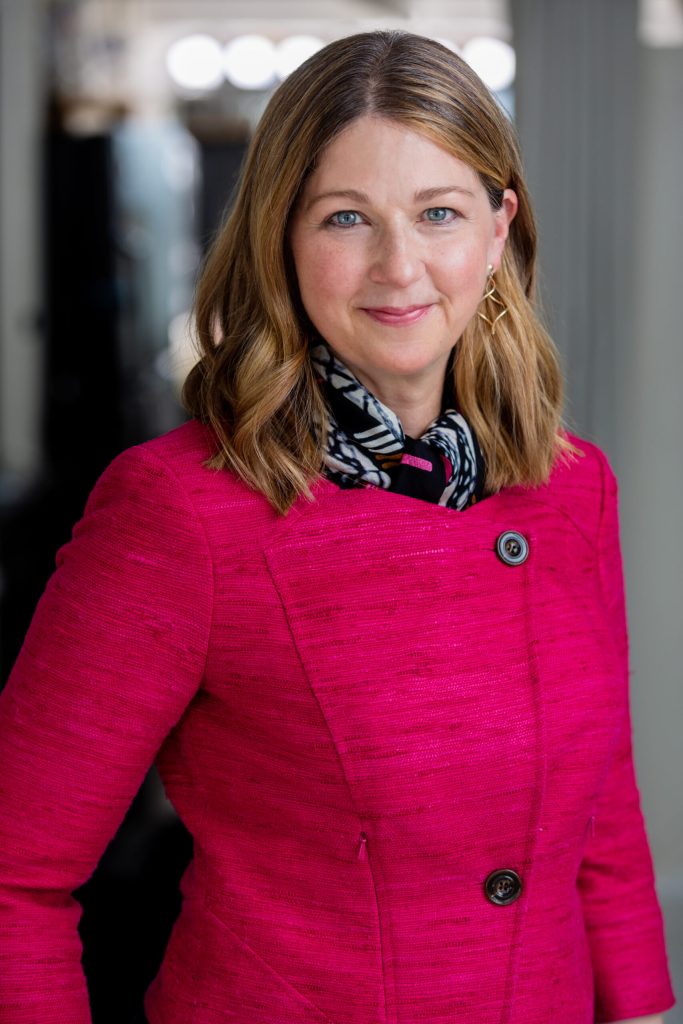
“Many people assume their taxes will go down [in retirement] because their income will go down,” Anne Lester, former head of retirement solutions for JPMorgan Asset Management and author of Your Best Financial Life: Save Smart Now for the Future You Want, tells Entrepreneur.
Unfortunately, exiting the workforce doesn’t always mean lower taxes. Instead, many retirees have to contend with a “retirement tax bomb,” or the often unexpected tax burden that comes with hefty savings in popular retirement accounts like 401(k)s and IRAs.
Minimum distribution requirements and higher tax brackets
When people reach the age of taking minimum required distributions from retirement savings accounts (typically at 73 years old), they actually could move into a higher tax bracket than expected. What’s more, entering a higher tax bracket can also increase social security taxes and Medicare surcharges.
“What looks good on paper, which is to maximize all your tax-advantaged growth, may not make sense if it’s going to bump you into a higher tax bracket, so you might want to consider drawing some money out of that IRA or 401(k) plan systematically beforehand,” Lester says.
By age 60, people should be paying close attention to these retirement savings accounts, considering which ones might make sense to pull earnings from early, in preparation for their first mandatory distribution date, Lester notes.
People in their 20s and 30s should plan for taxes in retirement
But even people in their 20s and 30s can benefit from planning for those minimum distribution deadlines. Savers in that age range should take advantage of employer-matched 401(k)s and especially Roth 401(k)s, which offer tax-free withdrawals in retirement.
“ Having diversification where your taxable and tax-exempt accounts are located can make a lot of sense,” Lester says. “But you have to start doing that earlier. It’s pretty hard to do that right before you retire. That’s a strategy that you really need to be thinking about decades earlier.”
Roth conversions offer strategic tax savings in retirement
Roth conversions, which involve moving funds from a pre-tax retirement account such as a traditional IRA, 401(k) or 403(b) into a Roth IRA to grow tax-free, can also serve as a key pillar in retirement-tax plans.
Making a Roth conversion might be particularly strategic if the stock market continues to experience a significant selloff. In 2008 and 2009, a lot of people used Roth conversions to minimize the taxes paid on capital gains and maximize tax-free growth.
“ So let’s just say hypothetically the market sells off another 10 or 15%,” Lester says. “Not saying it will, but if it does, [Roth conversions] can be some way to get a bit of a silver lining. Assuming you can pay the taxes on what you owe and won’t need to touch that money for at least five years, that could be a very sensible thing to do.”
The most critical first step: saving an emergency fund
Once someone reaches retirement age, their minimum distributions are what they are, which is why it’s so important to consider your retirement in your 30s, 40s and 50s, Lester notes.
The first step everyone should take, whether they’re 20 or 60 years old? It doesn’t involve a retirement savings account at all: It’s building an emergency savings fund.
As important as it is for young people to take advantage of the “free money” in employer-matched 401(k)s and tax-free gains in Roth accounts, saving three to six months’ worth of minimum living expenses is even more essential, Lester says.
In fact, it’s what the first letter in her book’s “S.T.A.S.H” acronym stands for — “Save for a rainy day.” “T” is for tax-aware savings, “A” is for assess your budget, “S” is for stay the course and “H” is for have fun.
Finally, people often underestimate the value of insurance — or think that buying the minimum amount will protect them.
“You want to avoid catastrophe,” Lester says. “ If something happens to your car, you don’t want to have to shell out for a new or even a used car right now, if you weren’t planning on it. So think about the things that will cause major disruption and see if you can insure yourself against them.”
Key Takeaways
- The ‘retirement tax bomb’ refers to the often unexpected tax burden that comes in later years.
- Minimum distribution requirements can force retirees into higher tax brackets and impact Medicare.
- Anne Lester explains how account diversification and other key strategies can set retirees up for success.
If you’re like a lot of people navigating this tax season, you might have a simple strategy: Pay what you owe now and forget the rest — aka defer taxes wherever possible — until you hit retirement.
“Many people assume their taxes will go down [in retirement] because their income will go down,” Anne Lester, former head of retirement solutions for JPMorgan Asset Management and author of Your Best Financial Life: Save Smart Now for the Future You Want, tells Entrepreneur.
Unfortunately, exiting the workforce doesn’t always mean lower taxes. Instead, many retirees have to contend with a “retirement tax bomb,” or the often unexpected tax burden that comes with hefty savings in popular retirement accounts like 401(k)s and IRAs.