This 30-Year-Old Uber Employee Started a ‘Scrappy’ Side Hustle in Her Kitchen — It Hit $10K in 48 Hours: ‘Never About Chasing a Trend’
Nicole Glabman’s business inspiration stemmed from a “very real frustration.”
Key Takeaways
- Glabman wanted to create a functional condiment she could enjoy while navigating health issues.
- She bootstrapped her side hustle, She’s The Sauce, with about $20,000 of her own savings.
- She’s The Sauce made $10,000 in just 48 hours and now averages $10,000 in revenue per month.
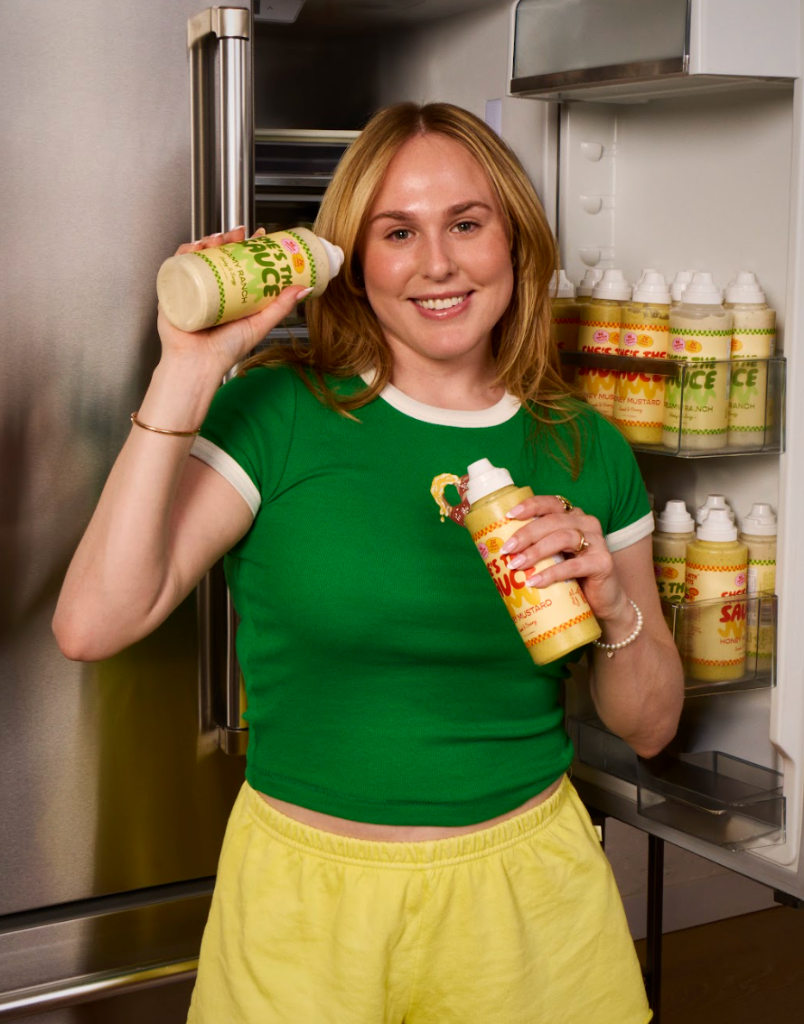
This Side Hustle Spotlight Q&A features Nicole Glabman, 30, a New York City-based entrepreneur. Glabman currently works full-time at Uber in advertising while building her protein and prebiotic sauce brand She’s The Sauce. She draws on a professional background in retail and food, starting her career at Jet.com/Walmart as a buyer, followed by a stint at Gopuff in marketing. Responses have been edited for length and clarity.
When did you start your side hustle, and where did you find the inspiration for it?
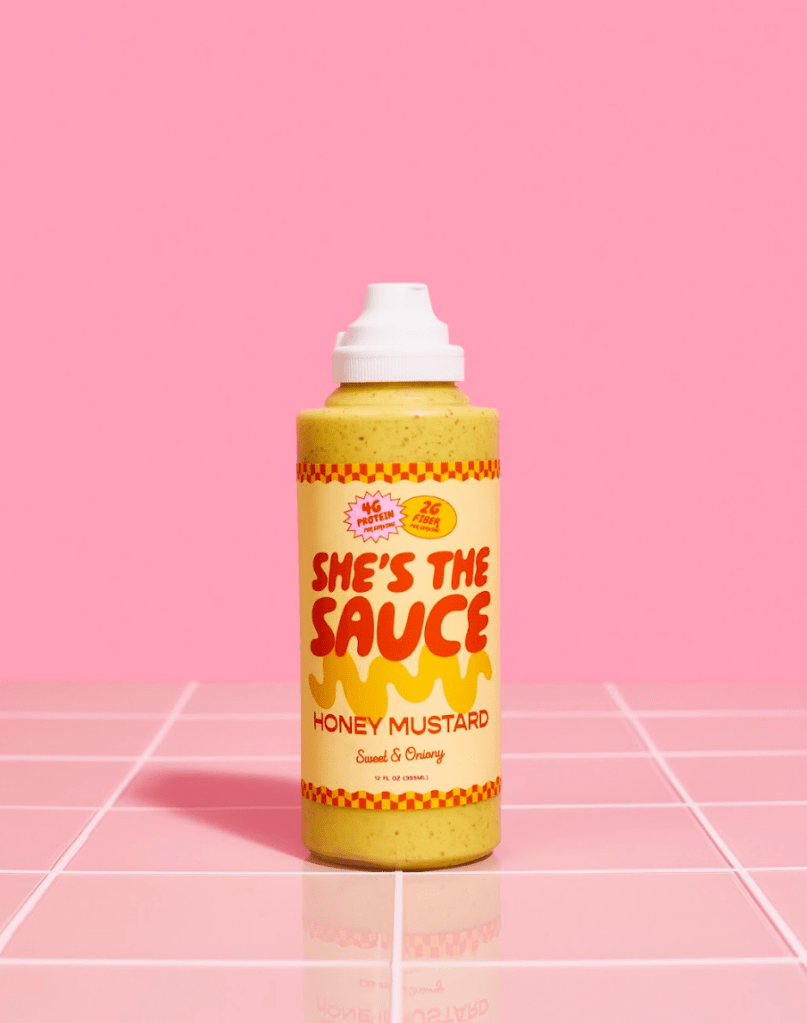
The idea for She’s The Sauce and motivation to start it as a side hustle came from a very real frustration. I’ve always loved sauce, but as I became more health conscious while dealing with hormonal imbalances (PCOS) and weight fluctuations, I kept hearing the same thing: “skip the sauce, it’s empty calories.” That never sat right with me. I didn’t want to cut something I loved, I wanted to make it better. So I created sauces that actually do something for you — with protein, fiber and ingredients you feel good about.
Before protein became the trend it is today, I was already thinking about how to make condiments more functional — not just lower calories, but actually additive. Protein and fiber weren’t a marketing angle. They were part of solving the problem from the start. As the broader market started to catch up and protein became a bigger focus, it only reinforced that I was onto something. But for me, it was never about chasing a trend, it was about rethinking what sauce could be.
Starting a scrappy, hands-on side hustle
What were some of the first steps you took to get your side hustle off the ground?
The first steps to launch the side hustle were scrappy and very hands-on. At the end of 2023, I started in my own kitchen, testing how to incorporate protein and fiber into sauce without compromising taste or texture. At the same time, I was doing a lot of research on research and development (R&D) consultants who could help take the product beyond a kitchen prototype and into something that could actually be produced at scale. From there, I moved into sourcing, finding a manufacturer and building the visual identity of the brand. I’ve bootstrapped the business and started with about $20,000 of my own money.
Are there any free or paid resources that have been especially helpful for you in starting and running this business?
A mix of both, but the biggest unlock has been people. Honestly, one of the most helpful resources has just been other founders. Having people you can text when something breaks, when you’re stuck on a decision, or when you need a gut check, has been invaluable.
I also worked with Kelly Bennett, a consumer packaged goods (CPG) brand strategist, who helped me map out the brand early on, including positioning, messaging and how I wanted She’s The Sauce to show up. That gave me a much clearer foundation.
At the end of the day, this is a very “learn as you go” industry, so being surrounded by people who are a few steps ahead makes a huge difference. Honorable mentions to communities and resources like Startup CPG, Express Checkout and Snaxshot, which have been great for learning and staying close to what’s happening in the space.
Bringing in manufacturing partners early on
If you could go back in your business journey and change one process or approach, what would it be, and how do you wish you’d done it differently?
I think the biggest thing I would change is how I approached manufacturing early on.
I was creating a product that doesn’t really exist in the market, so there wasn’t a clear playbook. Because of that, I ran into a lot of unexpected manufacturing challenges. There were moments where even experienced partners didn’t fully know what it would take to produce our product consistently.
If I could do it again, I would spend more time upfront stress testing the formulation specifically for scale, not just for taste. I would also involve manufacturing partners earlier in the process instead of trying to perfect everything on my own first.
I learned that what works in a kitchen or a small batch doesn’t always translate to production — and bridging that gap is where a lot of time, energy and money can go if you’re not careful. That said, it’s also part of building something new. When you’re creating a new category, you have to be willing to figure things out the hard way a bit.
A successful side hustle requires more than a good idea
When it comes to this specific business, what is something you’ve found particularly challenging and/or surprising that people who get into this type of work should be prepared for, but likely aren’t?
How operationally intense it is and how much of it is completely out of your control.
From the outside, CPG can look very brand- and marketing-driven. And while that’s important, the reality is that a huge part of the business is operations, manufacturing timelines, ingredient sourcing, packaging delays and logistics.
What surprised me most is that even when you do everything right, things can still go wrong. A delay from one supplier can push everything back weeks. A small formulation change can impact production in ways you didn’t expect.
I’ve had to learn patience in a way I never had before, understanding that some things just take time, and you can’t force speed in a system that doesn’t support it.
It’s not just about having a good idea. It’s about being able to navigate constant friction, stay patient and keep moving forward anyway.
The side hustle hit $10k in just 48 hours with two SKUs
Can you recall a specific instance when something went very wrong — how did you fix it?
One of the biggest things that went wrong actually started as seemingly a huge win.
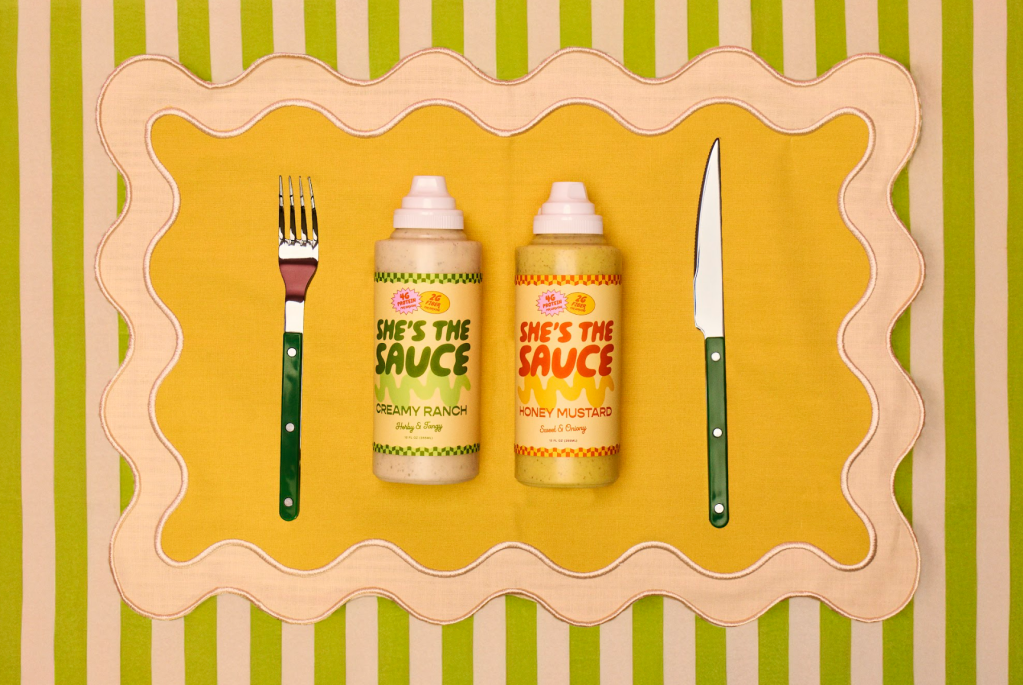
In September, our pre-order went live and did about $10,000 in revenue in just 48 hours across two SKUs (Honey Mustard and Ranch). It was an incredible moment, but it quickly exposed a major issue. Our manufacturer wasn’t able to produce the product at the scale we needed, which meant we had demand we couldn’t fulfill.
I had to pause, find a new co-manufacturer and essentially rebuild our supply chain while managing customer expectations. It took about three months to resolve. During that time, I focused on being extremely transparent with customers and maintaining trust.
We relaunched this past January, fulfilled pre-orders, and are currently operating with only Honey Mustard while the Ranch and a few new flavors are being finalized.
The side hustle now generates about $10k a month
What does growth and revenue look like now?
We’re now generating around $10,000 per month in revenue for our Honey Mustard alone, primarily through direct-to-consumer. And so far, all of our growth has been completely organic; we haven’t used paid media. It’s been driven by content, word of mouth and building in public.
For me, the biggest takeaway was that the initial launch validated real demand. Now, I’m focused on rebuilding in a way that’s actually scalable and repeatable.
Balancing the side hustle with a full-time role at Uber
How do you balance the side hustle with your full-time role; what does a typical week of work look like for you?
I am building She’s The Sauce outside of my full-time role, so most of my time goes into early mornings, evenings and weekends.
On weekdays, I typically spend a few hours at night focused on key priorities, whether that’s operations, content or strategic planning. Weekends are more flexible but usually involve longer blocks of time for things like product development, logistics and outreach.
I try to be very intentional with how I use that time. During the week, it’s about maintaining momentum and handling what’s urgent. On weekends, I focus more on bigger-picture work and anything that requires deeper thinking.
Balancing both has definitely required discipline, but it’s also forced me to be extremely efficient and focused with every hour I put into the business.
Leaning into customer connection and feedback
What do you enjoy most about running this business?
The community, without a doubt.
Getting messages from people saying the sauce has genuinely changed the way they eat, or that they used to feel like they had to give up sauce altogether — that’s everything to me.
I love talking to customers, hearing their feedback and learning how they’re actually using the product in their day-to-day lives. It makes the brand feel like a two-way conversation, not just something I’m building in isolation.
And honestly, they’re shaping it just as much as I am, from feedback to flavor ideas to how we think about innovation. It’s not just my brand: It feels like ours.
That connection is what keeps me going. It turns this from just a product into something people actually feel a part of.
“Progress comes from momentum, not perfection”
What is your best piece of specific, actionable business advice?
It sounds simple, but the best advice I can give is: Just start.
This is a very execution-driven business. You can spend months researching, planning and chatting with other builders but, at some point, the only thing that moves you forward is actually doing the work.
There will always be people who are more experienced or more knowledgeable. The difference is that most people don’t act.
So instead of trying to figure everything out upfront, do something tangible: Talk to real customers. Get a version of your product into people’s hands. Ask for feedback and iterate. Progress comes from momentum, not perfection.
And one of the biggest mindset shifts is learning to not over-index on what other people think. If you’re building something new, not everyone is going to understand it right away — and that’s okay.
Key Takeaways
- Glabman wanted to create a functional condiment she could enjoy while navigating health issues.
- She bootstrapped her side hustle, She’s The Sauce, with about $20,000 of her own savings.
- She’s The Sauce made $10,000 in just 48 hours and now averages $10,000 in revenue per month.
This Side Hustle Spotlight Q&A features Nicole Glabman, 30, a New York City-based entrepreneur. Glabman currently works full-time at Uber in advertising while building her protein and prebiotic sauce brand She’s The Sauce. She draws on a professional background in retail and food, starting her career at Jet.com/Walmart as a buyer, followed by a stint at Gopuff in marketing. Responses have been edited for length and clarity.
When did you start your side hustle, and where did you find the inspiration for it?
The idea for She’s The Sauce and motivation to start it as a side hustle came from a very real frustration. I’ve always loved sauce, but as I became more health conscious while dealing with hormonal imbalances (PCOS) and weight fluctuations, I kept hearing the same thing: “skip the sauce, it’s empty calories.” That never sat right with me. I didn’t want to cut something I loved, I wanted to make it better. So I created sauces that actually do something for you — with protein, fiber and ingredients you feel good about.
Before protein became the trend it is today, I was already thinking about how to make condiments more functional — not just lower calories, but actually additive. Protein and fiber weren’t a marketing angle. They were part of solving the problem from the start. As the broader market started to catch up and protein became a bigger focus, it only reinforced that I was onto something. But for me, it was never about chasing a trend, it was about rethinking what sauce could be.