My Business Did $1 Million in Sales in 4 Minutes With This Underrated Strategy
Lindsey Carter wanted her brand to speak to “the girl on the go.”
Key Takeaways
- Carter founded her activewear brand SET Active in 2018 with a community focus from the start.
- Here’s how her strategy goes beyond buzzwords — and translated to $1 million in four minutes.
This as-told-to story is based on a conversation with Lindsey Carter, founder of SET Active, an activewear brand established in 2018. The piece has been edited for length and clarity.
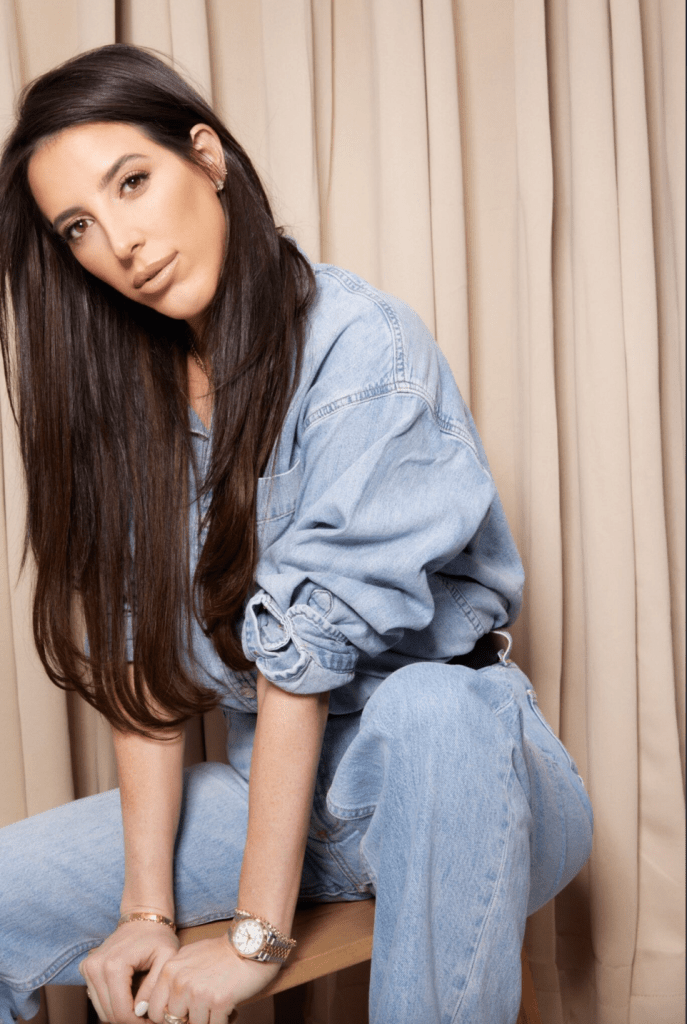
I landed on the idea for SET Active in 2017 during a time when no one was really reframing the entire activewear category. Everyone was marketing to the fitness girl or very technical niche worlds, and no one was speaking to the girl on the go and showing how activewear can move with her through the entire day. That worked until competitors caught on. Now, we differentiate through relentless innovation.
We don’t just set trends, but evolve past them before the market saturates. For example, we did contrast activewear, then introduced tricolor and layered activewear. Now, we’re bringing unexpected patterns to the market. We always try to stay a couple of collections ahead of competitors. We plan drops eight months in advance.
Nowadays, “community” is such a buzzword. Since day one, though, community wasn’t just a strategy for SET Active — it’s something I value personally. I’m someone who has always been passionate about connecting with people, sharing my journey and listening to what people want. I brought that into my leadership too. For me, it’s not performative: It’s how I process and create.

We’re keeping our community front and center in 2026. We’re scaling DTC, perfecting our drop cadence and building infrastructure that can support aggressive growth without breaking what makes us special. We’ve cultivated a strong community across our social platforms and my personal broadcast channel Linny’s Circle, which launched about a year ago via Instagram. But we’re also going to focus on bringing our community into in-real-life events.
In March, we’ll have a pop-up in Miami, Florida for the first time. It’s one of our top cities, so we’re excited to activate there. We can take that digital connection into real space where our community can experience the brand we’ve built. We can scale all we want, but if we lose customer connection, we’re just another activewear brand. Our customers decide what makes us special, and we have to stay close enough to hear it.
Listening to customer feedback is our competitive advantage. This year, we’ve invested heavily in our data team, analytics, demand planning and inventory optimization because the brands that win are the ones that can interpret what their customers are saying. They separate it from the noise and move fast on what matters.
Some of our most loyal customers are in my channel Linny’s Circle, which has about 20,000 members. I interact with them daily. I text and DM them like it’s my personal group chat. Also, we have a lot of people sending DMs to SET’s socials. So someone on our team reads and responds to all of those. Our customer service team is also a sort of research department. They’re hearing the real time reactions, frustrations and requests.
We pay special attention to themes that emerge within the DMs. Then we consider tapping into that data to see the returns. If an issue is above a threshold that’s the industry standard, we’ll open up an investigation. For example, if we receive a DM about a logo that peeled off and it’s under 1% of customer service complaints, or not even mentioned in the return world, we can probably chalk it up to a one-off.
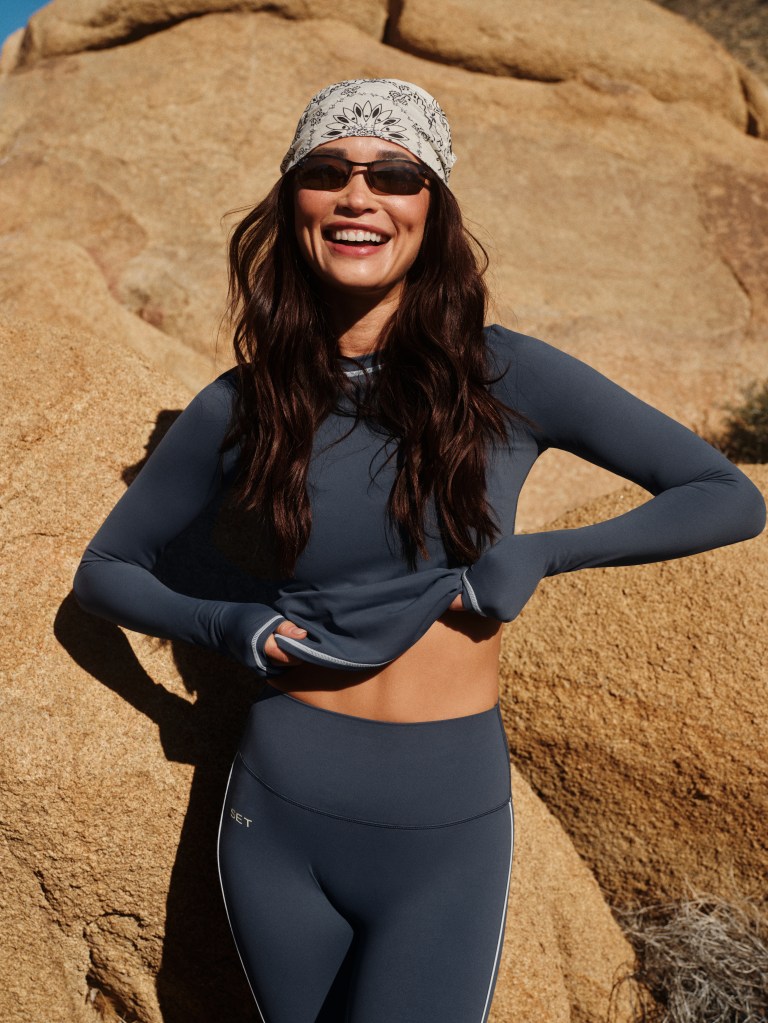
Our first drop of 2026 was our “No Service” drop, which featured a “Gorpcore” collection (a fashion trend in which clothing typically designed for outdoor recreation is worn as streetwear). That launch was a major success, seeing $1 million in sales in 40 minutes. Then, our more recent drop, “City of Valentine,” performed even better: We did $1 million in sales in four minutes. Those sales happened during the early access period, before the public even saw it. Only loyalty members and people in my broadcast channel had access.
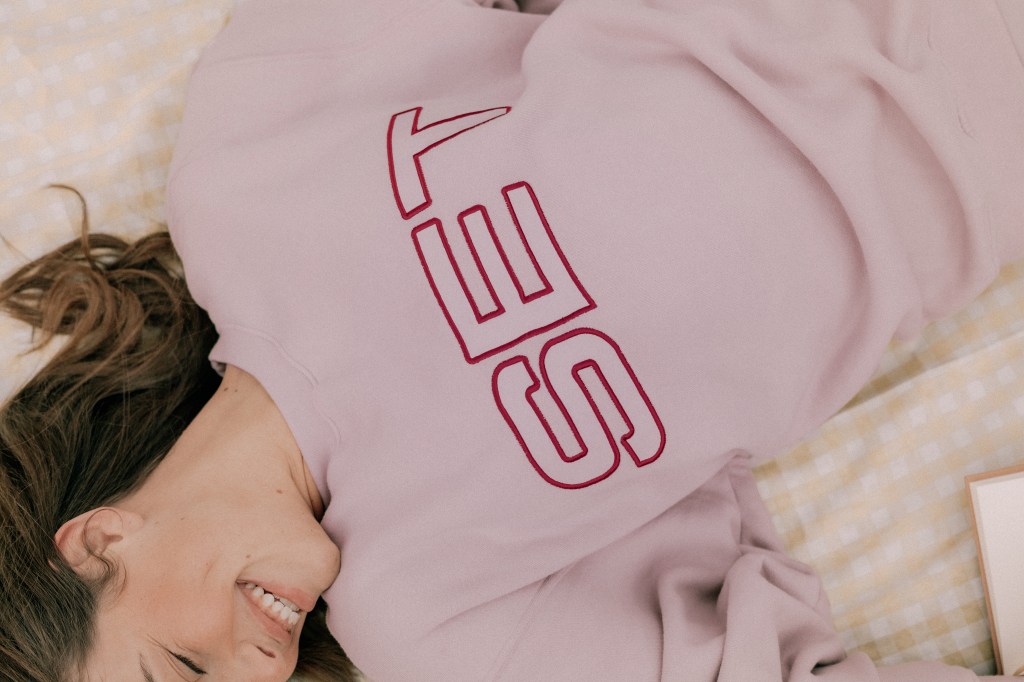
I think the Valentine’s Day collection did so well because we played with unexpected color combinations and Valentine’s Day energy without the cliches. For instance, we added customer interior tags to our sweats. The small exclusive details make a product feel special. Then, of course, there’s the community enthusiasm versus the operational reality of it all.
We ordered these production orders months ago, and the drop was intended for a three to five day run of inventory. Not three to five minutes. So we wished we tripled the production, but that’s just not how manufacturing timelines work. It’s a good problem to have, but also genuinely frustrating when you go viral and there’s nothing you can do to increase the production.
In the lead-up to these product launches, we do a lot of world building and teasing as part of SET’s official marketing rollout. But in my personal broadcast channel, I drop little nuggets or hints of what’s to come. I like to keep the community on my personal channel on their toes and get them excited. We’ve started an initiative called SET Insiders, which relies on community members who I always see popping up and engaging. I personally DMed them and offered to send product and have them talk about it in a way that feels organic on their socials. That’s taken off and added to the virality.
Community input is our competitive mode. It helps us deliver what our customers are asking for and anticipate what they don’t know they want yet. That’s the difference between being a reactive brand and visionary one. And it’s baked into our product development, merchandising and marketing. It’s in our DNA: We stay nimble to remain ahead.

It’s important to remember that customer loyalty isn’t built on transactions. It’s built on mutual value exchange. Your customers need to feel like they’re getting something they genuinely need, not just what you want to sell them. That’s where brands get a little bit tripped up. You have to make the relationship feel reciprocal. They support you and you deliver for them. When they give feedback, you actually implement it. At the end of the day, people are going to stay loyal to brands that make them feel seen, heard and valued. If you do that consistently and authentically, then the sales will follow.
Looking back on the journey with SET, I would definitely invest in operational infrastructure and strategic hires sooner. For the first few years, we focused so intensely on product and community, which was exactly right for that stage. But there is a tipping point where systems and teams become the unlock for everything else that you want to do. It becomes your North Star.
Now, we have so many positions open, and I look for people who have operated at larger scales, even though we’re not there yet. Although it’s a big investment upfront, it’s necessary. Infrastructure and talent are growth accelerators. The sooner you build for scale, the faster you can capitalize on momentum. It’s not about fixing problems: It’s about creating the capacity to anticipate what’s next.
Sign up for the Money Makers newsletter to get weekly, expert-backed tips to help you earn more money — from real people who founded and scaled successful businesses. Get it in your inbox.
Key Takeaways
- Carter founded her activewear brand SET Active in 2018 with a community focus from the start.
- Here’s how her strategy goes beyond buzzwords — and translated to $1 million in four minutes.
This as-told-to story is based on a conversation with Lindsey Carter, founder of SET Active, an activewear brand established in 2018. The piece has been edited for length and clarity.
I landed on the idea for SET Active in 2017 during a time when no one was really reframing the entire activewear category. Everyone was marketing to the fitness girl or very technical niche worlds, and no one was speaking to the girl on the go and showing how activewear can move with her through the entire day. That worked until competitors caught on. Now, we differentiate through relentless innovation.
We don’t just set trends, but evolve past them before the market saturates. For example, we did contrast activewear, then introduced tricolor and layered activewear. Now, we’re bringing unexpected patterns to the market. We always try to stay a couple of collections ahead of competitors. We plan drops eight months in advance.