They Started a ‘Classic’ Business in an Old Garage. Now It’s Generating More Than $500,000 a Year: ‘The Most Honest Kind of Making.’
Tait Simpson and Matt Owens set out to create a community-focused brand.
Key Takeaways
- The co-founders met through mutual friends and bonded over a shared interest in creating something.
- They opened their brewery Memorial Day weekend 2019 and drew a crowd of 300 — running out of beer.
- Now, Kingston Standard enjoys steady year-over-year revenue growth as it continues to expand.
This Q&A features Tait Simpson of Kingston, New York, and Matt Owens of Brooklyn, New York, co-founders of Kingston Standard Brewing Co. Responses have been edited for length and clarity.
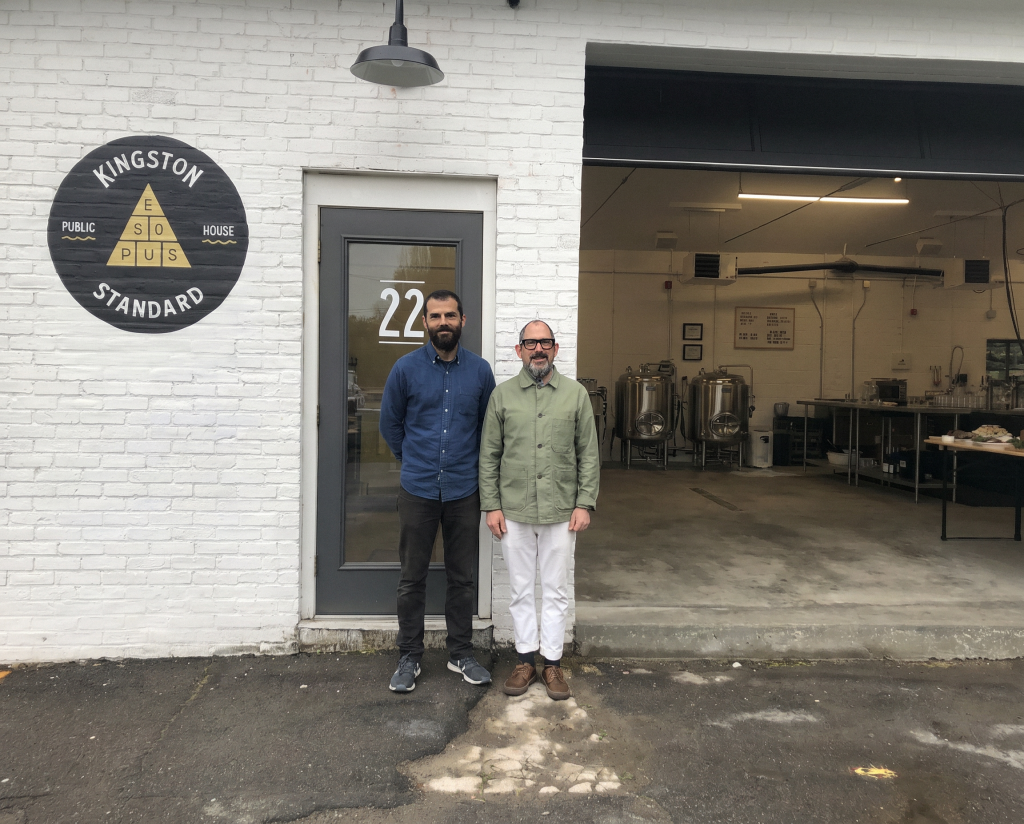
Finding the inspiration to start a business: Kingston Brewing
When did you start your business, and where did you find the inspiration for it?
Simpson: The first time I ever made beer, I was actually trying to make bread.
About 12 years ago, I was deep into sourdough: cultivating wild yeast, feeding starters, obsessing over fermentation times. One day I thought, If I can make this yeast rise bread, what else can it do? That question led me down a rabbit hole I never climbed out of. I started homebrewing out of sheer curiosity, and something clicked. The fermentation process, the patience it demanded, the way small adjustments produced completely different results felt like the most honest kind of making.
I eventually left my kitchen to apprentice at Arrowood Farm Brewery in Accord, New York, where I learned what it actually meant to brew at scale. But the whole time, I had a different idea in the back of my mind. Building a neighborhood place I could call my own. A classic public house, in the oldest sense of the term. Somewhere people could walk to, chill, not rush and leave feeling energized.
Owens: For me, the instinct came from a different direction, but it landed in a similar place.
I’ve been a partner at Athletics, a brand innovation studio in Brooklyn, for a few decades now. We build brands and identities for companies across all kinds of industries. But long before becoming a designer, I was a kid who grew up skating and listening to punk rock. Growing up in the late ’80s and ’90s with a DIY ethos made me unafraid to start things. A radio show in high school, a gallery in Williamsburg, a record label, a design firm. The best things get built by people who just do it. You just made the thing you wished existed, and you made it as well as you possibly could.
When you spend enough time building brands, you develop an eye for what’s real and what’s performance. And a lot of what I was seeing in the world in food, in retail, in hospitality was more show than substance. I’ve always preferred the real thing over the fabricated.
Connecting as co-founders with an entrepreneurial spirit
How did the two of you connect?
Simpson: We met through mutual friends, had both lived in Brooklyn and shared an interest in creating something. We started talking. Then we kept talking. It turned out we were orbiting the same idea from different angles: I came from the brewery side, with a brewer’s instinct for simplicity and craft. Matt came from the brand side, with a designer’s eye for what it means to genuinely belong to a place. Neither of us wanted to build something that could exist anywhere. We wanted to build something that could only exist in Kingston, where my family and I reside.
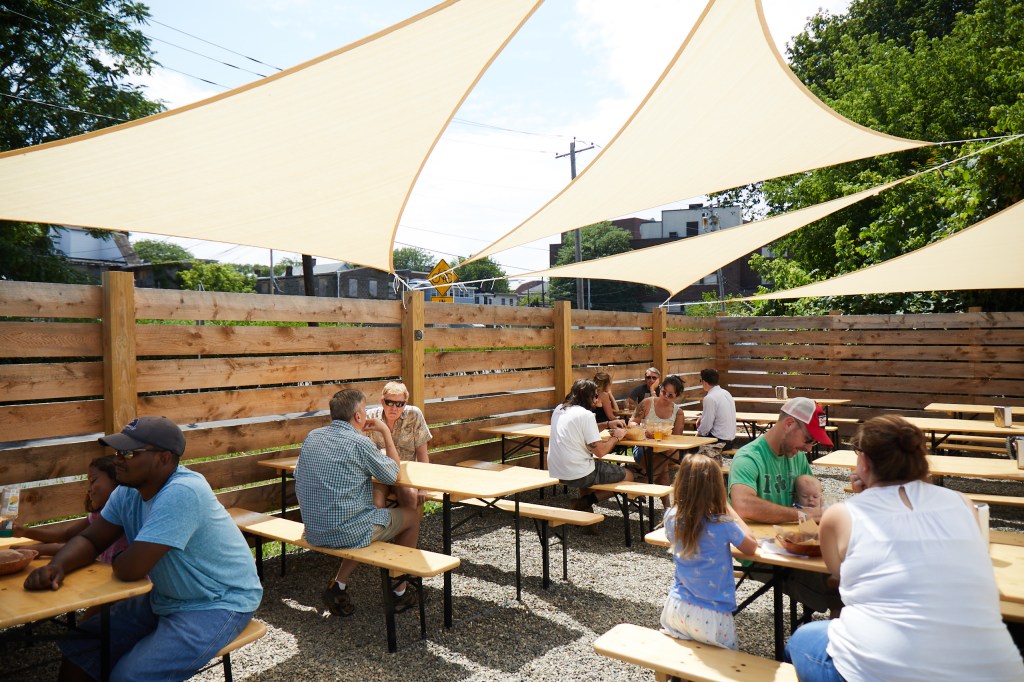
Kingston is New York’s first state capital and a city that has been through settlement, revolution, prohibition, recession and revival. It has aging industrial architecture, antique signage and a layered folklore that gives it a patina unlike anywhere else in the state. A growing creative community was already breathing new life into it. What the city didn’t have was a brewery that actually reflected all of that to the people who lived there.
Filling a gap amid the craft beer industry’s IPA mania
Could you tell me more about the gap you wanted to fill?
Simpson: By 2018, the craft beer industry was in full IPA mania. Breweries were competing on who could make the hoppiest, haziest, most aggressively flavored pint. It was a race to the extreme. And from where we were standing, as residents of this city with 350 years of history, it felt like the industry had lost a love of the timeless and classic.
Nobody was making beer for the person who just got off a shift and wanted something cold, clean and easy. Nobody was thinking about the actual physical space where people would gather. The conversation around craft beer was all about the liquid in the glass — and almost nothing about what made you want to stay for another.
We kept arriving at the same conclusion: Kingston needed a local place rooted in where it was, serving honest beer and simple food, where a longtime Kingston family and a recent transplant could both feel at home. In a world where homogenization was ironing out the differences between places, we wanted to do the opposite — hold onto what made Kingston Kingston.
Investing $150,000 and discovering the perfect old garage
What were some of the first steps you took to get your side hustle off the ground?
Owens: The first step was to purchase the real estate. Collectively, between a few investors and us, we invested around $150,000 to get all the basics set up. We pitched in less than $20,000 each to secure the real estate and used the immediate rental income to offset initial costs.
We found our space at 22 Jansen Avenue, a former transmission shop tucked off Broadway in Midtown Kingston. It was 1,500 square feet of industrial bones: concrete floors, exposed rafters, grease-stained history. Perfect.
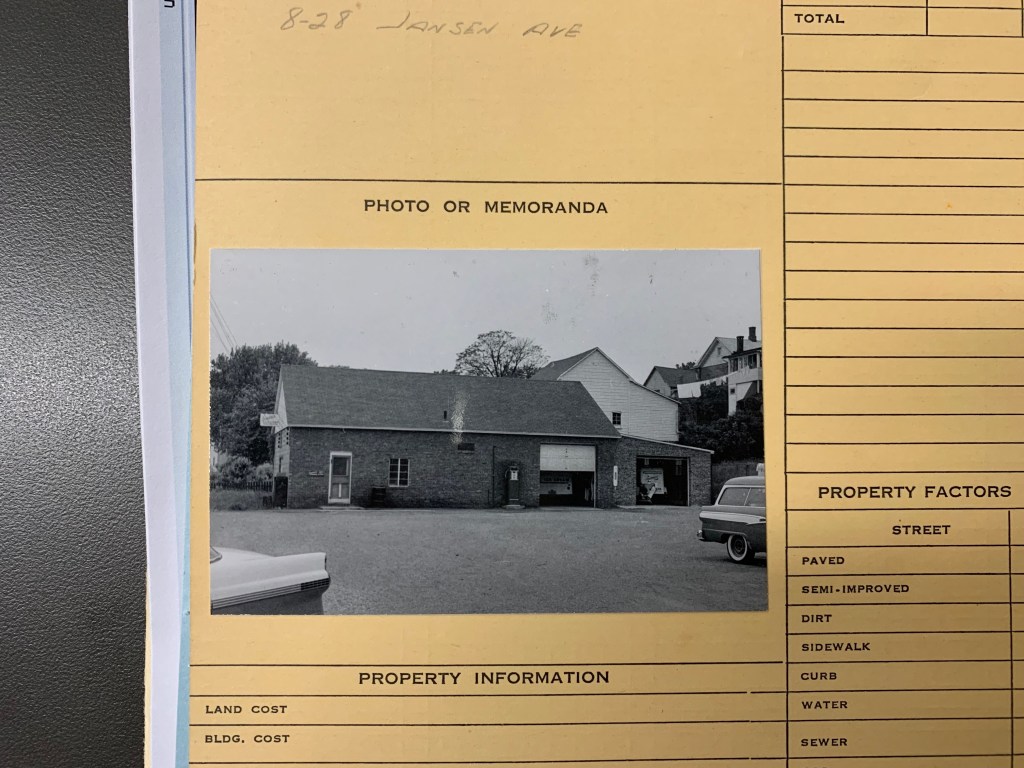
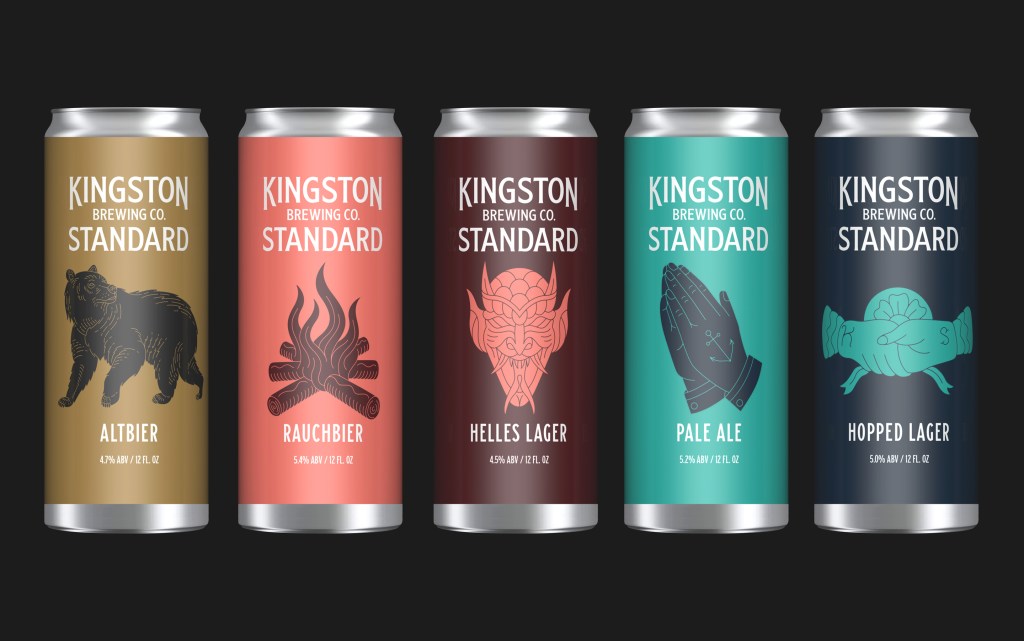
What followed was about a year of unglamorous work. We reinforced the rafters and poured new concrete. We navigated city approvals, licensing and trademarking. I handled the brand identity, drawing from Kingston’s visual and architectural history, found typography, old signage, local mythology — the kind of details you can only find in the nooks and crannies of a city’s real story. The punk rock ethos translated directly: don’t fake it, don’t borrow someone else’s aesthetic, do the research and make something that earns its place. Tait focused on recipes, sourcing local malt and figuring out how to run a one-barrel electric brewhouse.
We opened Memorial Day weekend, 2019. Over 300 people showed up on the first day — locals, weekenders, old families, new transplants. The New York Times sent a reporter. We ran out of beer.
Making the deliberate choice to stay small: nanobrewery
What did that early business model look like?
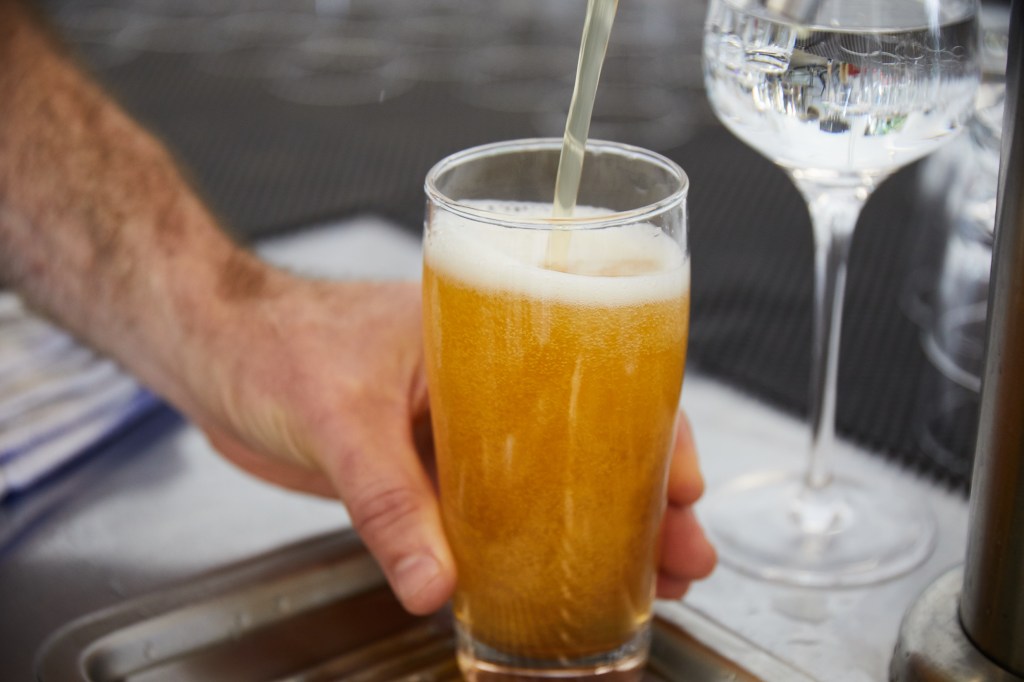
Owens: From the start, we made a deliberate choice to stay small. We’re a nanobrewery, which means we brew in tiny batches and rotate constantly. On any given week, you might come in and drink a Schwarzbier that didn’t exist two weeks ago. When the keg empties, that beer is gone, sometimes forever, sometimes until we decide to revisit it.
This drove some people crazy, especially early on. People would come back for a beer they’d had the week before, and it was off the menu. But it also built something we hadn’t fully anticipated: a community of regulars who were genuinely curious about what was new. They started giving us feedback. Actual conversations at the bar. That input shaped our recipes in ways neither of us could have managed in isolation.
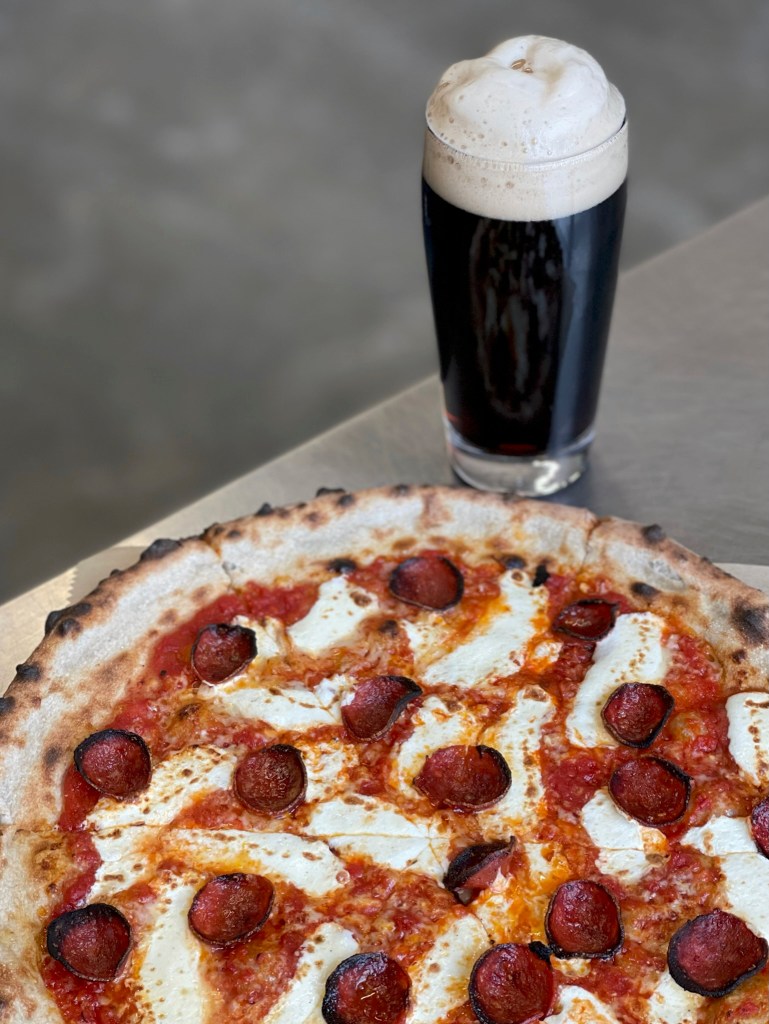
Our philosophy has always been quality, simplicity and classics that have stood the test of time. We use local malt; we don’t chase trends. We make the kind of beer you can drink three of without thinking about it, which, despite what the craft beer world might tell you, is actually very hard to do.
The food program followed the same logic. A handful of dishes, done properly. Sourdough pretzels hand-rolled and lye-dipped with whipped local butter. Fresh oysters, regionally sourced. Lobster rolls in the summer. Nothing on that menu exists to fill space.
Running a neighborhood brewery isn’t always romantic
When it comes to this specific business, what is something that people who get into this type of work should be prepared for?
Simpson: Running a neighborhood brewery is not the romantic thing it sounds like. The margins are tight, the hours are long, and you are deeply exposed to everything around you: the local economy, the weather, the mood of the city.
In the early years, we survived by keeping our overhead low and our ambitions appropriately sized. We were never trying to be a regional brand. We were trying to be a place. That distinction matters more than it sounds when you’re making decisions about staffing, packaging and distribution.
In 2024, five years in, the work started to get recognized beyond our block. We won the New York State Governor’s Craft Beer Cup, the best-in-show award at the state’s largest craft competition for Love Is Overtaking Me, our barrel-aged sour. For a nano brewery operating out of a converted garage, competing against operations 10 times our size, that meant something.
The value in problem-solving, keeping a level head
Can you recall a specific instance when something went very wrong — how did you fix it?
Simpson: You name it. Weather, running out of ingredients, HVAC, hiring. The only way to fix anything is to act and go through it.
Owens: Tait is a master problem-solver who keeps a level head and does his homework. That’s what it takes. Once, we removed the transmission shop’s top floor to open up the space, which resulted in extensive, unexpected brickwork and repair. It was a mess, but we just buckled down and got it done.
How long did it take you to see consistent monthly revenue? How much did the business earn?
Simpson: Not long. We opened and did enough promoting, and had great encouragement from the city and community. We are only open four days a week, so revenue fluctuates by day and by season. Early on, if we made $1,000 in a day, that was good. Now we can handle 10 times that on busy days.
Growing the business’s revenue steadily year over year
What does growth and revenue look like now?
Owens: Since the pandemic, our revenue has been steady year over year, with spring to fall being the primary revenue months. Kingston Standard sees more than $500,000 in annual revenue. With our new on-site production facility, we are working to increase output and revenue incrementally this year. Depending on regional distribution and additional days the tasting room is open to the public, we could be a $1 million to $3 million local business on our current footprint. This is the goal — not to grow for growth’s sake, but to build the business properly so that it is sustainable and can be enjoyed by everyone.
What do you enjoy most about running this business?
Simpson: People love coming to Kingston Standard and love the beer. That’s the biggest joy. Having built a business that reflects our community and is part of the fabric of Kingston is something really special. Worth all the work.
“Have a plan and work the plan”
What is your best piece of specific, actionable business advice?
Owens: As my dad says, have a plan and work the plan. Plans can change, but having no plan makes everything harder. Find partners that can work together toward a common goal and have complementary skill sets. And above it all, work within your budget.
What’s next for Kingston Standard?
Simpson: In August 2024, New York State awarded us a grant through the Restore NY program to expand our operations. We’re building a zero-fossil-fuel facility: electric steam, CO₂ recapture, solar power. Our modest taproom will become a more full-service Kingston Standard Public House, and the brewery itself will relocate to an upgraded building at 2 Jansen Avenue. It’s the biggest thing we’ve ever done, and some days it still feels surreal. But the logic is the same as it was in 2019: Make a great place, make honest beer, take care of the people who walk through the door.
The city has never needed us to explain it to itself. From the beginning, our job has been to listen to the community, to the history, to what the fermentation is telling us on any given morning. That’s the same instinct whether you learned it behind a brewhouse or behind a skateboard: Make the thing that should exist, make it well, and give it back.
That’s still the job. We just have better equipment now.
Key Takeaways
- The co-founders met through mutual friends and bonded over a shared interest in creating something.
- They opened their brewery Memorial Day weekend 2019 and drew a crowd of 300 — running out of beer.
- Now, Kingston Standard enjoys steady year-over-year revenue growth as it continues to expand.
This Q&A features Tait Simpson of Kingston, New York, and Matt Owens of Brooklyn, New York, co-founders of Kingston Standard Brewing Co. Responses have been edited for length and clarity.
Finding the inspiration to start a business: Kingston Brewing
When did you start your business, and where did you find the inspiration for it?
Simpson: The first time I ever made beer, I was actually trying to make bread.
About 12 years ago, I was deep into sourdough: cultivating wild yeast, feeding starters, obsessing over fermentation times. One day I thought, If I can make this yeast rise bread, what else can it do? That question led me down a rabbit hole I never climbed out of. I started homebrewing out of sheer curiosity, and something clicked. The fermentation process, the patience it demanded, the way small adjustments produced completely different results felt like the most honest kind of making.