Google Is Bringing AI Glasses to Market in 2026 — Here’s What They Can Do
The company is teaming with major eyewear partners on Gemini-powered smart glasses as it takes aim at Meta.
Will smart glasses be the big thing in 2026? Google is betting on it. The company announced it will be launching a new line of AI-powered eyewear next year, built in partnership with Samsung, Gentle Monster, and Warby Parker. The devices will run on Google’s Gemini assistant and offer features like real-time translations, spoken responses, and on-lens displays for directions and other information.
It’s a bold reboot after the company’s Google Glass flopped in 2013. The technology wasn’t ready, the price was high, and the public backlash was brutal. Early adopters earned the nickname “Glassholes.“
This time, Google is aiming much higher. With Meta’s Ray-Ban smart glasses gaining traction, the battle to own wearable AI is officially on.
Franchises Keep Opening Up in ‘Non-Traditional’ Spaces
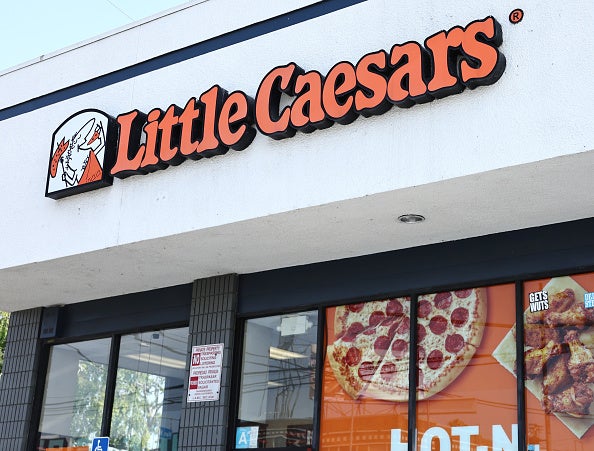
Photo by Mario Tama/Getty Images
Franchises aren’t waiting for customers to come to them anymore — they’re setting up shop wherever the crowds already are. The latest example: Little Caesars will be opening a restaurant inside Allen Fieldhouse at the University of Kansas, where concession stands and grab-and-go carts will serve hot slices throughout the basketball and volleyball seasons.
The move expands Little Caesars’ push into non-traditional venues through CMG Companies, a multi-unit franchisee focused on high-traffic locations beyond standard storefronts. CMG leaders say university partnerships help them reach fans without the overhead of a full restaurant.
Little Caesars is not alone. Brands from Popeyes to Freddy’s Frozen Custard are opening in airports, stadiums, and campuses as franchising shifts toward high-traffic spaces with built-in demand.
Dept. of Commerce Will Let Nvidia Sell Advanced AI Chips to China — for a Price
Photographer: Ken Cedeno/UPI/Bloomberg via Getty Images
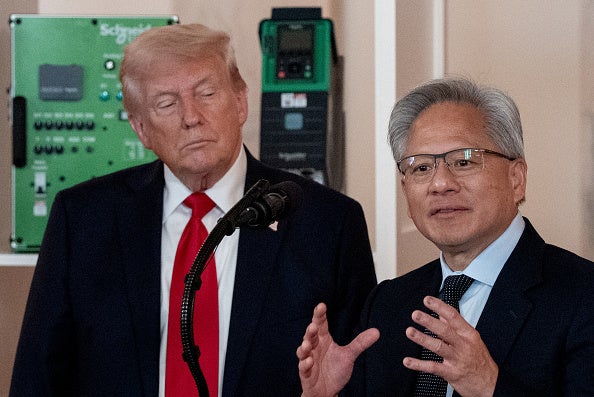
The U.S. will allow Nvidia to export its powerful H200 artificial intelligence chips to China — but only if Beijing pays a fee on every shipment, President Trump announced.
Trump said he informed President Xi Jinping of the arrangement and received a “positive” response. The Commerce Department is finalizing details, and the same rules are expected to apply to AMD and Intel. The U.S. would collect a 25 percent fee per chip.
Critics warn the deal could strengthen China’s military and accelerate its AI ambitions, while the administration argues it protects national security and prevents Chinese firms like Huawei from dominating the market.
Palantir Launches a Neurodivergent Talent Fellowship After CEO’s Viral Interview
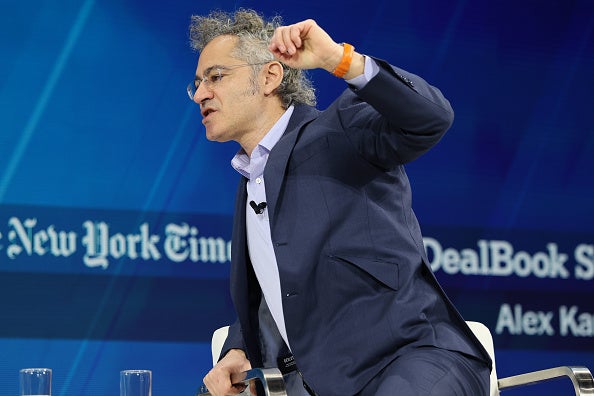
Photo by Michael M. Santiago/Getty Images
Palantir is turning a viral moment into a recruiting strategy. After videos of CEO Alex Karp gesturing wildly and fidgeting during a DealBook Summit interview spread across social media, the company announced a new initiative aimed at people like Karp.
Called The Neurodivergent Fellowship, the program is designed for candidates who find themselves “relating to him in this video — unable to sit still, or thinking faster than you can speak.” Applicants will work in New York or Washington, D.C. Karp will personally run final interviews.
Palantir insists the fellowship isn’t a publicity stunt, but a hunt for what it calls “exceptional neurodivergent talent.”
In-N-Out Removes Order Number 67 From Its System
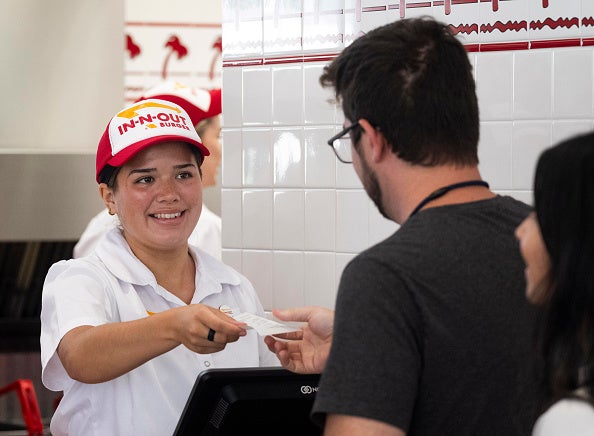
Photo by Paul Bersebach/MediaNews Group/Orange County Register via Getty Images
In-N-Out Burger has quietly 86ed the number 67 from its ordering system after a viral “6-7” meme led to customers crowding counters and interrupting service. Videos show customers waiting for the number to be called just to shout the meme’s punchline, creating constant disruptions.
Employees at a Los Angeles location confirmed that orders now jump from 66 to 68, skipping the problematic number entirely. A viral TikTok video shows a cashier explaining the change, telling a customer, “Because of people like you.”
The chain hasn’t publicly commented, but workers say the move has already reduced unwanted theatrics inside stores.
Demand for Professional Santas Has Cooled This Year

Photo by Alexandr Dubynin/Getty Images
Did the Grinch steal Santa? Fewer families and companies are hiring Santa Claus for holiday events, and industry insiders say it’s not just a quirky seasonal shift. Hire Santa, a major booking agency, reports inquiries are down nearly 27% compared with last year.
The slowdown is part of a broader drop in seasonal hiring as consumers cut back, retailers trim staff, and companies rethink holiday spending. Mall Santas are still working, but private parties and corporate events — the most lucrative gigs — are drying up.
Some economists say the shrinking Santa market may be a small but telling clue that the U.S. economy is losing momentum heading into 2026.
