The Indulgence Strategy: Why This Successful Protein Brand Wants to Change the Conversation
As protein snacks flood the market, Wilde founder Jason Wright is shifting the brand’s focus from function to flavor — and betting indulgence is what drives loyalty.
Key Takeaways
- Protein helped Wilde stand out early, but as the category became crowded, taste became the real differentiator.
- Consumers may try products for health benefits, but they return for flavor and satisfaction.
- The strongest brands lead with what people want emotionally, while still delivering functional value.
Jason Wright built a booming snack brand by obsessing over protein. Now he’s deliberately talking about something else.
As CEO and founder of Wilde Brands, Wright has spent years positioning his chicken-based chips as the protein-forward alternative to traditional snacks. The strategy worked: Wilde is now in 20,000 stores, with a new 130,000-square-foot facility, a 994% three-year growth rate, and a cheesy cracker that just launched.
But over time, Wright also learned something crucial about consumer psychology: Although new features like protein may differentiate a product, novelty wears away quickly. Meanwhile, most consumers are still driven by the same core desires — and if you don’t play to those desires too, you’ll be overlooked.
So, what do consumers really care about in food? It’s simple: flavor.
“For a while, it worked to say ‘protein chips’ — and I’m not saying that we’ll go away from that language,” Wright says. “But there’s going to come a time when you see Wilde, and the first things you’ll think are taste and texture. And you’re going to think benefit later.”
It’s a shift every founder must consider. Ask yourself: What exactly makes you special… and is that what consumers are looking for the most right now?
Here’s why this matters for every entrepreneur.
The Protein Market Reached Saturation
When Wright started Wilde, protein was a powerful differentiator. Consumers were hungry for high-protein alternatives to traditional snacks, and the market wasn’t crowded with options — yet.
That’s why his “protein chips” were a huge hit. He’d created something that crunches like potato chips, but is made from chicken and bone broth. Then the industry caught up to him.
“Now everybody’s protein this, protein that, protein pretzels, protein Pop-Tarts,” Wright observes, gesturing to a table full of protein products he’s testing. “There’s protein products everywhere now.”
This created a problem for Wright: When every brand claims the same benefit, no one owns it. Protein became table stakes rather than a differentiator. Wright realized that, if he continued to compete primarily on protein content, he’d be fighting in an increasingly crowded space where his brand could easily get lost.
So he started watching consumer behavior closer. What was driving their purchasing decisions? Why choose one brand over another?
The answer, he says: People might try a product once because of its health benefits, but repeat purchases depended on taste and satisfaction.
To be clear, he says: His protein-packed chips always tasted great. But his marketing and packaging has primarily focused on the protein, and made taste a secondary concern.
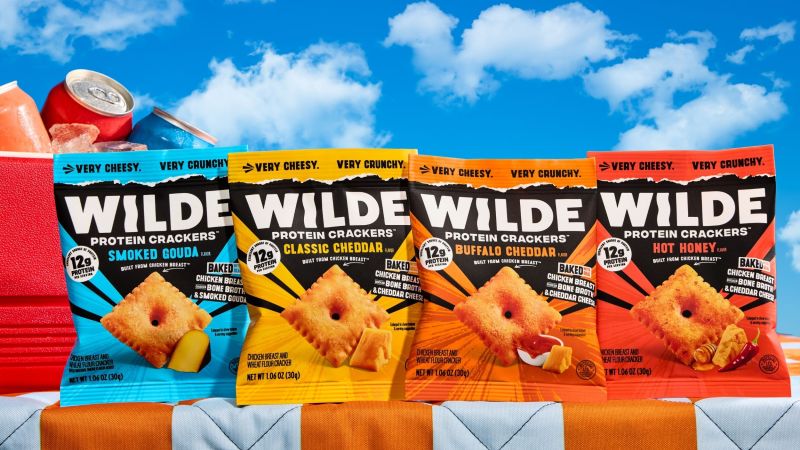
That’s why, for his newest product, he went for something known for its taste: It’s a cheese-flavored cracker. Yes, this will also have protein, but he wants it to be viewed as an indulgence first. “Buyers say it’s the best cracker they’ve had,” he says. “Then we talk about protein.”
Build for Indulgence, Deliver Nutrition
As brands evolve, it’s always worth remembering: What was our core value in the first place? Because that’s the thing you never want to stray from, even as you may change the way you express it.
“My dream with Wilde was really always: How do I create the most indulgent snack, but it’s not empty for us?” Wright says. “It should be something that we feel good about eating.”
Evolutions like this require confidence and timing. The key is recognizing when your current positioning has reached its limits, and being willing to evolve before you’re forced to by declining sales or increased competition.
Wright’s indulgence strategy reflects a broader truth about consumer psychology: People buy what they want, then rationalize it with what they need.
“Why do we have to give up something we love? Why can’t we have what we love and it not be empty snacking?” Wright asks.
This insight applies beyond food brands. Whether you’re selling software, services, or physical products, leading with the emotional benefit (what people want) rather than the functional benefit (what they need) often creates stronger connections with consumers.
The most successful brands don’t make people choose between what they want and what’s good for them — they deliver both, but lead with desire.
Key Takeaways
- Protein helped Wilde stand out early, but as the category became crowded, taste became the real differentiator.
- Consumers may try products for health benefits, but they return for flavor and satisfaction.
- The strongest brands lead with what people want emotionally, while still delivering functional value.
Jason Wright built a booming snack brand by obsessing over protein. Now he’s deliberately talking about something else.
As CEO and founder of Wilde Brands, Wright has spent years positioning his chicken-based chips as the protein-forward alternative to traditional snacks. The strategy worked: Wilde is now in 20,000 stores, with a new 130,000-square-foot facility, a 994% three-year growth rate, and a cheesy cracker that just launched.
But over time, Wright also learned something crucial about consumer psychology: Although new features like protein may differentiate a product, novelty wears away quickly. Meanwhile, most consumers are still driven by the same core desires — and if you don’t play to those desires too, you’ll be overlooked.