This CEO Wants to Remove the ‘Number One Barrier’ to Addiction Recovery
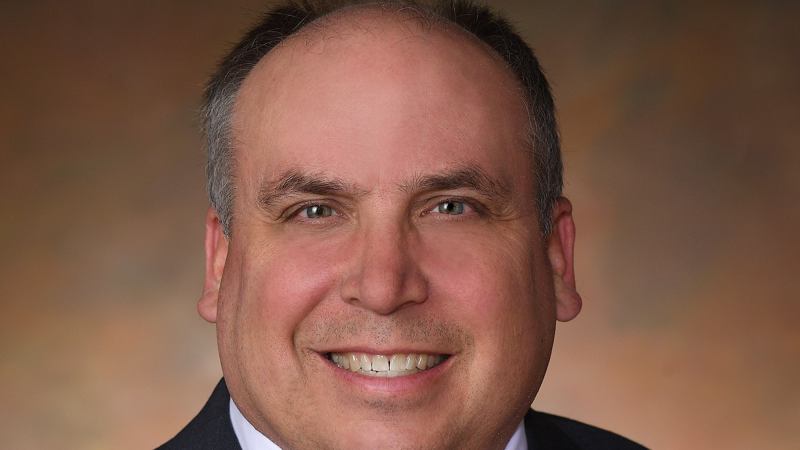
John Driscoll, president and CEO of Caron Treatment Centers, is on a mission to eliminate the stigma that keeps millions from seeking help.
Opinions expressed by Entrepreneur contributors are their own.
Key Takeaways
- John Driscoll realized that the stigma surrounding addiction is the biggest hurdle keeping people from seeking treatment.
- His mission at Caron Treatment Centers is to make getting help for addiction as routine as putting on a pair of glasses.
The way John Driscoll sees it, when people have trouble with their vision, they go to the eye doctor. They don’t wait to hit rock bottom. They don’t try to “tough it out.” They put on glasses. Problem solved. No secrecy or confusion about whether eyesight is a moral issue.
So why doesn’t the same logic apply to addiction?
Driscoll has spent his career wrestling with that question. As the president and CEO of Caron Treatment Centers, he believes the answer is maddeningly simple. “The number one barrier is stigma. It’s shame,” he says. People see addiction as a personal failing you should will your way out of, rather than treat. They don’t view it as what it actually is: a brain disease.
From a business perspective, the gap is staggering. “Fifty-four million Americans today suffer from substance use disorder,” Driscoll says. “But there’s only about 12 million that are actually getting any type of treatment.” And most of that treatment is little more than a day or two of services—hardly enough to shift a lifelong disease.
In any other industry, this would qualify as a massive, underserved market. “What would you do if you had a product that 54 million people needed, but only at best 20% are accessing?” he asks. “Wouldn’t you say, what can I do to lower the barrier?”
Caron tries to answer that question by offering comprehensive treatment, including medical detox, residential care, and long-term recovery support, rather than short, episodic interventions.
Releated: We Have a Substance Abuse Crisis in The Workplace. Here’s How — and Why — Employers Need To Act Now.
Finding his why
From an early age, Driscoll understood he had a talent for reading people. That impulse led him to study psychology in college. He wanted to understand why they behaved the way they did and help them lead more rewarding lives.
An internship at a homeless shelter for women on Chicago’s South Side gave him a crash course in reality. He saw firsthand the devastating effects of crack cocaine addiction. “I was working with women who were literally selling their bodies in the back alley for a dime bag of crack and had lost custody of their children.”
But he also watched unspeakable despair turn into possibility when the women entered recovery. “This simple 12-step program really transformed their lives,” he says. The realization made a strong impact. “Here I am, 35 years later, still helping people and families move from active addiction into active recovery.”
Lives that looked irreparable could be rebuilt with the right structure and support. The question wasn’t whether treatment was effective. It was how to build systems capable of delivering it at scale.
A different approach
At Caron, the focus is on creating conditions where change is possible. That means medical care, long-term programming, and support that extends beyond the crisis moment. “Because if addiction is a chronic condition, then short-term solutions don’t make sense,” he says.
Driscoll rejects the idea that addiction is simply the result of bad decisions or difficult circumstances. People experience trauma and stress all the time, he says, but most don’t develop substance use disorder. The difference is biological. For some people, a mood-altering substance “clicks” with the brain in a way that it doesn’t for others.
“Addiction isn’t caused by bad scenarios,” he says. “It is a legitimate brain disease in the sense that I take a mood-altering substance and it clicks with me.” Most people can drink alcohol or use low-level drugs without escalation, he explains, because their brains don’t respond in the same way. But for the people whose brains do, “the only real solution is abstinence.”
Driscoll says recovery isn’t just about stopping a behavior. It’s about reclaiming the power to direct your own life. Too many people, he argues, settle for survival rather than growth. But what separates people who succeed in recovery from those who don’t, he insists, is persistence. “Everybody fails a lot,” he says. “You get up and you keep trying, because that’s what you’ve got power over.”
Where does that persistence come from? For Driscoll, it starts with hope—believing another version of your life exists—and then pairing that hope with gratitude. Gratitude, he explains, is the practice of noticing what’s working rather than surrendering to what isn’t. “Hope plus gratitude can get you through nearly anything,” he says.
Related: How This Entrepreneur’s Deep Desire to Succeed Helped Him Overcome Addiction
A lasting legacy
The work Driscoll does has had an impact far beyond the moment someone enters treatment. Years after his time at the Chicago shelter, he crossed paths with women he had once known in their lowest moments. They were working and raising children with college degrees and careers. “It not only transformed their lives, it changed their kids’ lives,” he says. Seeing the ripple effect confirmed for him that addiction treatment echoes through many lives.
But Driscoll still believes he has more work to do. “If I could make progress in reducing the stigma of addiction, so that more people are able to access help,” he says. “That would be a major life accomplishment.
Key Takeaways
- John Driscoll realized that the stigma surrounding addiction is the biggest hurdle keeping people from seeking treatment.
- His mission at Caron Treatment Centers is to make getting help for addiction as routine as putting on a pair of glasses.
The way John Driscoll sees it, when people have trouble with their vision, they go to the eye doctor. They don’t wait to hit rock bottom. They don’t try to “tough it out.” They put on glasses. Problem solved. No secrecy or confusion about whether eyesight is a moral issue.
So why doesn’t the same logic apply to addiction?
Driscoll has spent his career wrestling with that question. As the president and CEO of Caron Treatment Centers, he believes the answer is maddeningly simple. “The number one barrier is stigma. It’s shame,” he says. People see addiction as a personal failing you should will your way out of, rather than treat. They don’t view it as what it actually is: a brain disease.