Next Year’s Super Bowl Halftime Show Will Look Completely Different for the First Time in a Decade
Pepsi will no longer sponsor the event for the 2022-2023 NFL season.
Opinions expressed by Entrepreneur contributors are their own.
Far and few annual events are as iconic and anticipated as the Super Bowl Halftime Show.
Historically branded and sponsored by Pepsi, the show itself and the commercials directly surrounding it are a goldmine for advertisers.
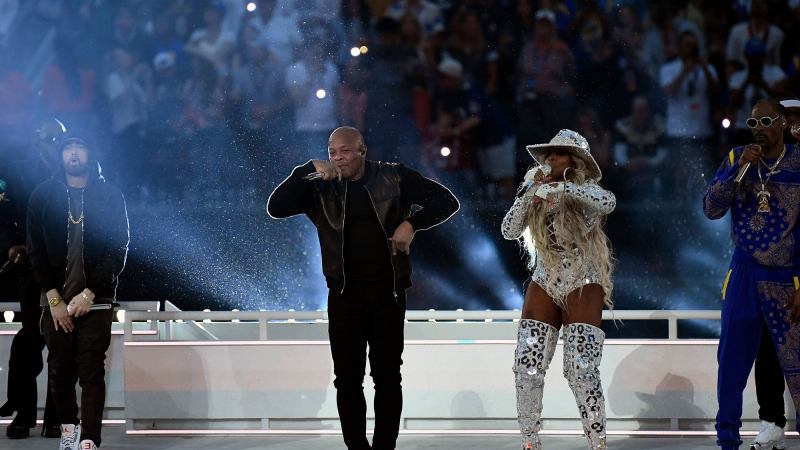
This year alone, it was estimated that over 103 million viewers tuned in to watch Dr. Dre, Snoop Dogg, Eminem, Mary J. Blige, Kendrick Lamar and 50 Cent take the field as the Cincinnati Bengals faced the Los Angeles Rams.
But for the 2023 NFL season, it looks like there might be one major and noticeable change to the halftime show — Pepsi will no longer sponsor the show for the first time in a decade.
“After 10 years of iconic Pepsi Super Bowl Halftime Show performances, we have decided it’s time to pass the mic,” the company said in an announcement via Twitter. “Thank you to the amazing artists and fans who helped us create some incredible moments along the way.”
Related: Super Bowl Ads 2022: Doritos, Anheuser-Busch, Pepsi and More
Pepsi’s contract with the NFL expired after the 2021-2022 season and was up for renewal; the soda and snack behemoth did extend its sponsorship with the league in other capacities, which includes Pepsi having premium rights at major NFL games and events.
“Our priorities and their priorities have evolved, and we wanted to make sure that as we continue this partnership that we’re all working toward the same goal,” Senior Vice President of Sponsorship Management at the NFL, Tracie Rodburg, explained to CNBC in a statement.
Pepsi originally signed on as the official soft drink sponsor of the NFL in 2002, replacing rival Coca-Cola in a deal that was estimated to close for $160 million for a five-year contract.
Pepsi did, however, lead fans to believe that some other major sponsorship or deal was in the works for the company, ending its social media post with a cryptic “Now on to the next stage …” alongside two wide-eyed emojis.
There are currently no concrete reports on which company has its sights set on the halftime show rights, which are reportedly up for grabs for an estimated $50 million.
Pepsi was relatively flat in a 24-hour period on Wednesday afternoon and up nearly 14% year over year at the same time.
The soda giant is expected to report on its Q2 2022 earnings on July 12.
Related: Where Were All The Masks in the Super Bowl Commercials?
Far and few annual events are as iconic and anticipated as the Super Bowl Halftime Show.
Historically branded and sponsored by Pepsi, the show itself and the commercials directly surrounding it are a goldmine for advertisers.
This year alone, it was estimated that over 103 million viewers tuned in to watch Dr. Dre, Snoop Dogg, Eminem, Mary J. Blige, Kendrick Lamar and 50 Cent take the field as the Cincinnati Bengals faced the Los Angeles Rams.