What Makes You Notice a Store’s Sign, or Ignore It? The Answer Makes This Franchise $115 Million a Year.
The franchise added 20,000 new clients in 2025 alone.
Key Takeaways
- SpeedPro positions itself as the “last mile of visual marketing” for businesses, providing large-format graphics and signs.
- SpeedPro CEO Paul Brewster says demand for the company’s services has remained strong, with the system now at 130 studios and $115 million in annual sales.
- Brewster runs SpeedPro on three operating principles — growth, profitability, and efficiency — focusing on adding customers and leveraging technology to stay efficient.
In 1992, in a small shop in British Columbia, a sign maker named Blair Gran stared at a wall full of half-finished jobs and felt something click. Sign-making was treated like a commodity — orders in, banners out — but as thousands of signs came through his shop, he couldn’t help but notice the difference between the good ones and the bad ones. He could see that every sign that left his shop was either helping a business get noticed, or letting it disappear in plain sight.
He decided to create a new kind of visual communications company, called SpeedPro. The vision was simple but ambitious: Don’t just print, be the last mile of visual marketing. Make a brand impossible to ignore — on walls, windows, floors, vehicles, and every surface a customer might see. The tagline is: “Great. Big. Graphics.”
By 1996, the concept had crystallized into a franchise model. SpeedPro specializes in large-format printing, creating wall, window and floor graphics, event displays, digital displays and signs. In less than five years, Gran opened 30 Canadian locations, each run by an owner betting not just on print, but on the idea that better visibility could change a business’s trajectory.
Then came the bigger leap. In the early 2000s, Gran headed south, determined to prove the model in the far more competitive U.S. market. In 2003, SpeedPro Imaging took root in Texas with three pioneer studios in Austin, San Antonio, and Plano. They were small, lean operations built around large‑format printing and fast turnaround.
From there, the network grew studio by studio, owner by owner. Over the next two decades, SpeedPro evolved into a U.S.‑based, large‑format printing franchise whose primary product applications now include graphics, displays, signs and vehicle and fleet wraps — work that most businesses simply can’t do in‑house.
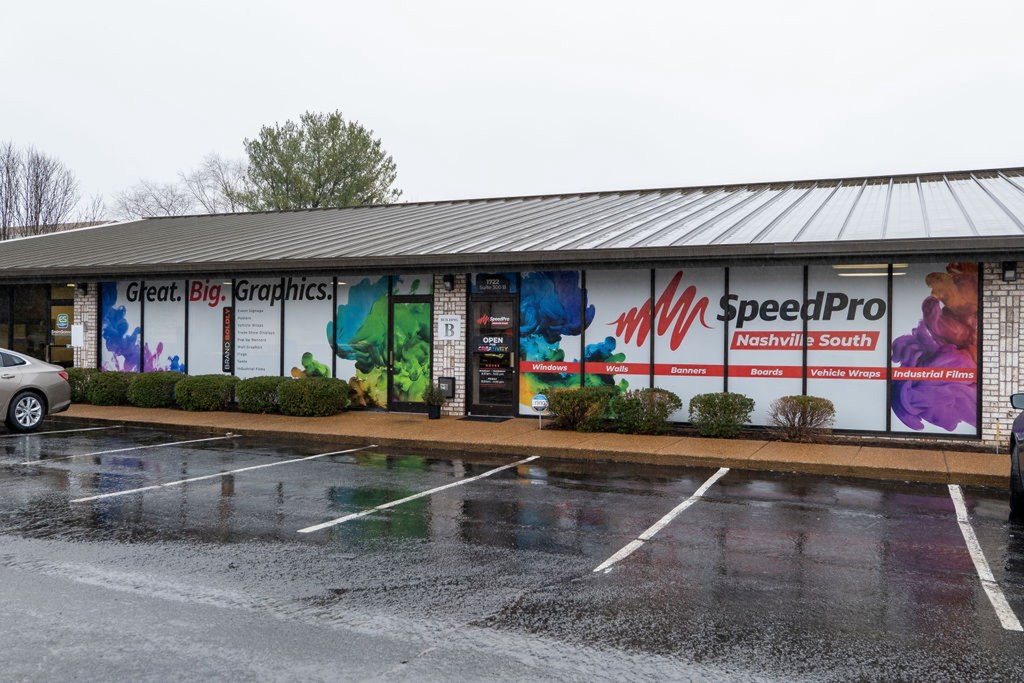
Why SpeedPro works
Today, more than 130 independently owned SpeedPro studios in the U.S. generate roughly $115 million in annual sales. SpeedPro has an affiliate in Canada that operates over 50 additional units.
The franchises serve everyone from local contractors and universities to Fortune 500 brands, SpeedPro’s CEO, Paul Brewster, tells Entrepreneur in a new interview. Brewster has been leading the company since 2022 after working his way up from COO. Gran has stepped away from the company for over a dozen years and is no longer involved.
“It’s a great origin story,” Brewster says. He points out that SpeedPro’s product focus is precisely why the franchise works — businesses want the company’s offerings. SpeedPro has posted more than 5% growth each of the last four years.
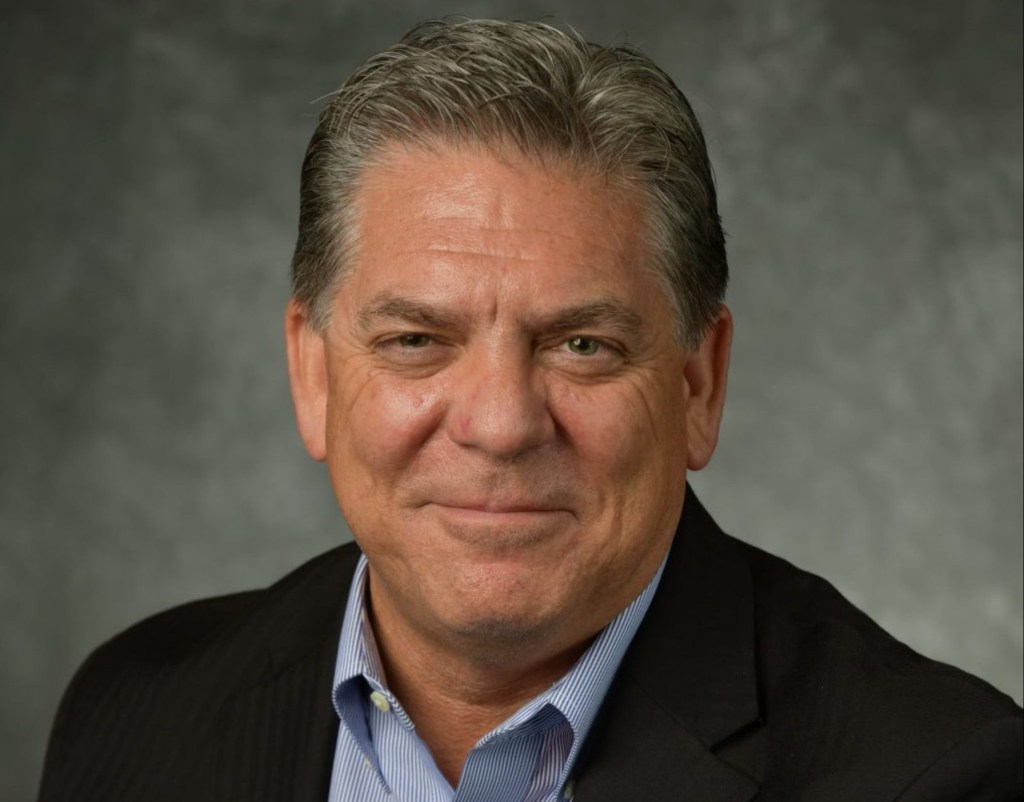
“We’re that last mile of visual marketing,” Brewster explains. “Every business needs to attract more customers. The more visually appealing a business is, the more apt people are to stop and to buy.”
Sign up for Entrepreneur’s Franchise Bootcamp, a free, 5-day email course on how to find and invest in your first profitable franchise — no business experience required.
He says that three things have allowed SpeedPro to stand out from the competition: growth, profitability and efficiency. “We run the company with the mindset that each one of the individual studio owners is their own business leader,” he says.
Growth means new customers; profitability means strong margins at the studio level; efficiency means staying ahead of technology and operational changes, including AI and evolving print equipment. Brewster discloses that every SpeedPro studio is profitable, which he calls “very unique for a franchise.” At the top quartile, owners’ discretionary profit sits at about 26% of sales, with an average of $445,000.
That economic engine is supported by consistent demand. In 2025 alone, Brewster says SpeedPro added 20,000 new customers to its existing customer base, almost all business clients.
The typical SpeedPro franchisee
Brewster has a clear picture of the typical SpeedPro franchisee: midcareer, corporate and ready for a change. They are around 45 to 55 years old, and they have worked for a corporation and hit middle management. “What they do is they step back and say, ‘I’m gonna bet on myself,’” Brewster says.
To open a SpeedPro, that bet usually falls in the $234,000 to $350,000 total investment range, depending largely on lease and location. In return, owners get a relatively low headcount operation, a technology-forward product line and access to national accounts.
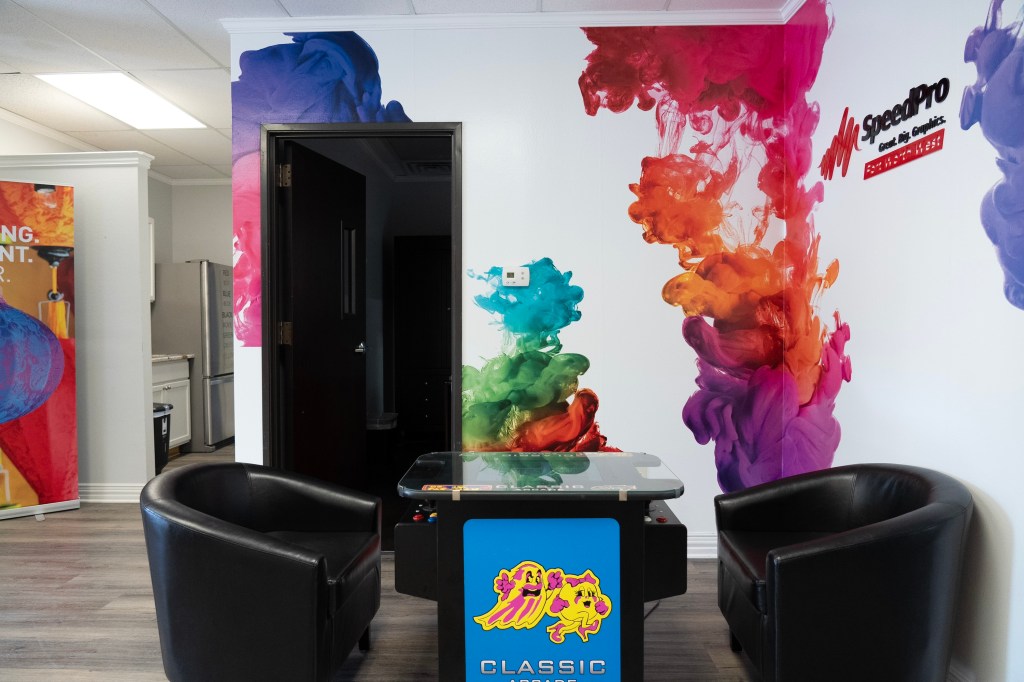
“One of our owners down in Addison, in Dallas, has been part of the system for 20 years,” Brewster notes. After leaning into corporate support by developing a marketing plan with the home office, using sales tools and investing in technology, the franchise owner “had explosive growth. Last year, he saw gross sales just skyrocket in the 80% range,” Brewster shares.
Weathering challenges
The last decade hasn’t been smooth. Brewster rattles off challenges: tariffs on equipment and consumables sourced from China, Europe, Mexico, and Canada; price hikes on vinyl and paper; labor shortages; and SBA lending issues layered on top of the whiplash of COVID, when only “necessary businesses” were allowed to stay open.
“In order to be successful, you need to make sure that your gross margin is right and your profit margin is right,” he says of navigating those cost shocks.
The work, he adds, is less about a single crisis than about enduring change. Every year presents something different, but SpeedPro’s concept and service have been in demand irrespective of whatever the company has faced, he says.
For Brewster, the hardest part isn’t the macroeconomy; it’s managing a human system.
“For me, the most challenging and surprising thing is I’ve got 130 owners plus that I work with all the time,” he says. “Life comes at them all the time… family issues and health issues and business issues… so the challenging part for me is still keeping them on track and working and building their business.”
