Apple Says COVID-19 Restrictions in China Will Delay iPhone 14 Pro and Pro Max
It’s an impact of China’s ongoing “zero COVID” policy.
Opinions expressed by Entrepreneur contributors are their own.
Amid ongoing issues related to coronavirus management in China, Foxconn, a key manufacturer of Apple iPhones based in Taiwan, is reportedly attempting to get its workers back.
Last week, videos showed workers appearing to flee the “iPhone City” factory, scaling fences and taking to the roads on foot.
On Sunday, Reuters reported that the factory operator, Foxconn, posted on a recruitment WeChat account that it was offering workers 500 Yuan to return to the factory. That’s about $68 USD.
New workers, the message added, will get paid 30 yuan (about $4) an hour (it is unclear if this is a higher pay rate than what was offered previously). The company did not immediately respond to a request for comment.
Original story below:
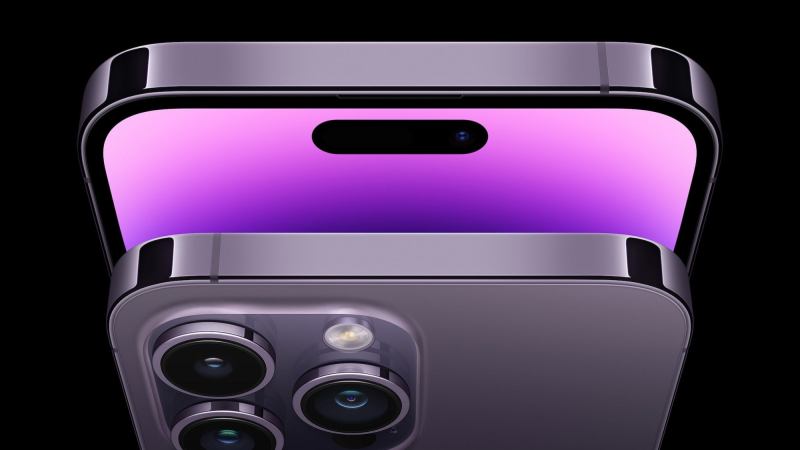
Apple announced in a statement Sunday that its new iPhone models, the 14 Pro and 14 Pro Max, will be delayed due to COVID-19 restrictions at a relevant facility in Zhengzhou, China.
“The facility is currently operating at significantly reduced capacity. As we have done throughout the COVID-19 pandemic, we are prioritizing the health and safety of the workers in our supply chain,” the statement said.
Various companies and industries that manufacture in China have been hit by the country’s “zero COVID” policy, which started in the early pandemic.
Last week, videos emerged online of workers attempting to get away from the 200,000-person factory, reportedly to escape the facility’s harsh lockdown conditions amid a COVID outbreak.
Reuters also reported that COVID-related issues could drag down iPhone output at the facility by some 30%. The plant has been called “iPhone city,” and it has been reported previously that workers there are exposed to harsh conditions.
The factory is operated by Foxconn, a contractor that makes 70% of Apple’s iPhones. It employs some 1.3 million people in mainland China, according to The Guardian, and said it hit over $200 billion in revenue in 2021.
“Foxconn is now working with the government in a concerted effort to stamp out the pandemic and resume production to its full capacity as quickly as possible,” Foxconn said Monday, according to the AP.
China’s economic growth has also slowed due to the policy, the outlet noted.
Apple introduced a suite of new iPhone 14s at its annual September product launch. They do not have physical SIM cards and now have an “always-on” lock screen, among other new features.
The Pro and the Pro Max versions are also the most expensive models priced at $999 and $1099, respectively.
“We continue to see strong demand for iPhone 14 Pro and iPhone 14 Pro Max models,” the company said.
Amid ongoing issues related to coronavirus management in China, Foxconn, a key manufacturer of Apple iPhones based in Taiwan, is reportedly attempting to get its workers back.
Last week, videos showed workers appearing to flee the “iPhone City” factory, scaling fences and taking to the roads on foot.
On Sunday, Reuters reported that the factory operator, Foxconn, posted on a recruitment WeChat account that it was offering workers 500 Yuan to return to the factory. That’s about $68 USD.