This 30-Year-Old Left Law to Run a Side Hustle That Hit $200,000—then $13M: ‘Basically Funded With My Mom’s Lunch Allowance’
Isabella Espinosa’s business idea started in the pages of her law school notebook.
Key Takeaways
- Espinosa wanted her side hustle to combat the fashion industry’s excessive waste issue.
- With an ultra-lean launch and a lot of creativity, Espinosa grew the business to millions of dollars in sales.
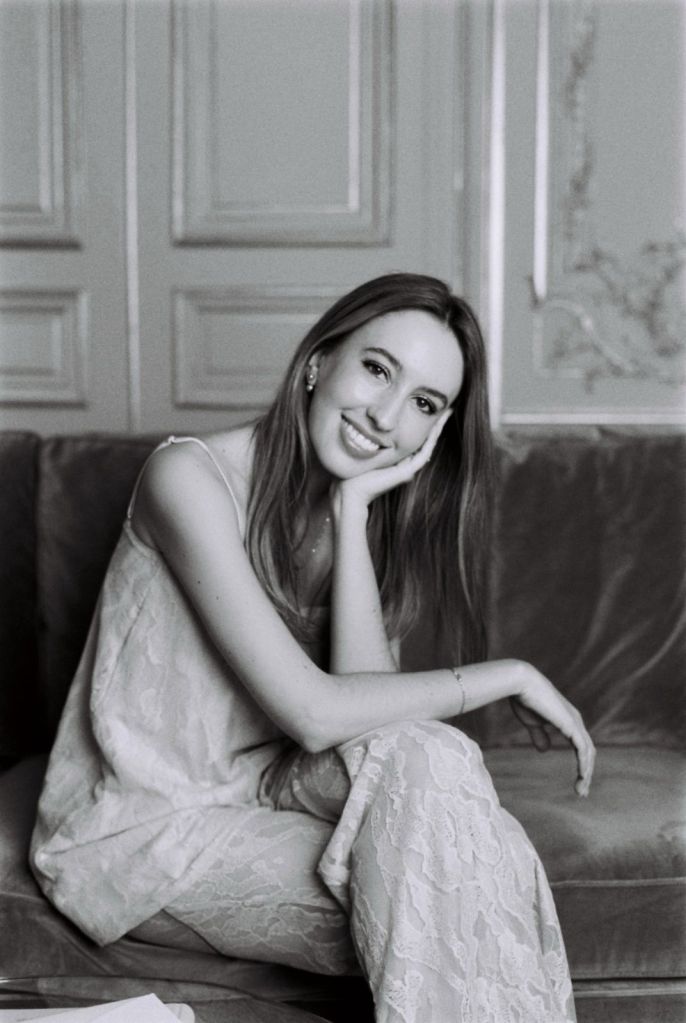
This Side Hustle Spotlight Q&A features Colombia-based entrepreneur Isabella Espinosa, 30. Espinosa is the founder and CEO of Baobab, a clothing brand that saw $200,000 in sales in 2020, then hit $13 million in sales within four years. Influencers and celebrities including Bethenny Frankel and Kit Keenan are among its fans. Responses have been edited for length and clarity.
Want to read more stories like this? Subscribe to Money Makers, our free newsletter packed with creative side hustle ideas and successful strategies. Sign up here.
Starting the side hustle that would become Baobab
What was your day job or primary occupation when you started your side hustle?
I started Baobab in college while studying to become a lawyer. In the beginning, it was just a side hustle idea that existed in the pages of my notebooks, but it quickly became an obsession that refused to stay on the side. I graduated as a lawyer but dedicated myself entirely to Baobab.
When did you start Baobab, and where did you find the inspiration for it?
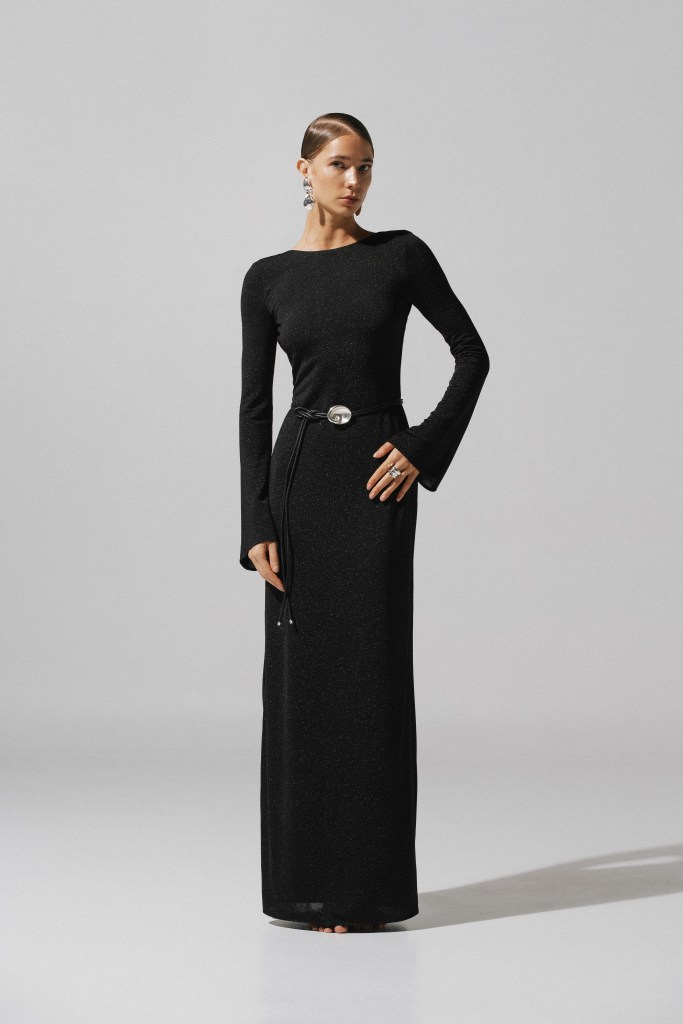
Baobab was born in 2016 in Bogotá, Colombia. The side hustle began as a New Year’s resolution, driven by emotion more than logic. I wanted to use fashion as a tool for change and disrupt the industry from the outside. We wanted to create a shared value proposal that would enable us to solve one of the most pressing issues of the industry: excessive waste.
To that end, we run an ongoing scrap lab that sorts and shares leftover textiles free of charge to be repurposed, and we launched our Cascade program in 2022. Cascade is an annual pioneering competition that invites young entrepreneurs, artists and creatives to reimagine fashion’s impact by transforming textile scraps into innovative, sustainable solutions. The challenge has given a second life to more than 3.5 tons of textile waste, engaged over 500 participants and led to the creation of more than 10 new ventures across Colombia alone.
The launch was ultra-lean, basically funded with my mom’s lunch allowance.
What were some of the first steps you took to get your business off the ground? How much did it take to launch?
I tested everything the hard way: Wrong workshops, stolen production, burned fabric, lost shipments. Somehow we still launched. We didn’t have enough cash flow to buy proper packaging, so we improvised and used coconut shells. It was beautiful, unexpected and became our signature, the thing that made Baobab instantly recognizable. But success came with a plot twist. Our first big wholesale order literally weighed a ton because of the packaging. That’s when we had to let it go. The launch was ultra-lean, basically funded with my mom’s lunch allowance, a lot of creativity and a very high tolerance for chaos.
Are there any free or paid resources that have been especially helpful?
Law school trained me to think critically, question everything and build solid arguments. I just applied that mindset to business. Add relentless experimentation, constant feedback from mistakes, and learning directly from suppliers, clients and failures. For me, entrepreneurship has never been just about professional growth, but also personal growth, really understanding firsthand how to stand up with enthusiasm after every failure, adjust and keep getting stronger.
Cash flow: building the infrastructure to meet demand
What’s something particularly challenging or surprising about this business?
Cash flow. Even successful fashion brands can feel fragile if timing, production and payments aren’t perfectly aligned, especially if you are a brand that grew a lot with a wholesale strategy. Also, building a brand is one thing, but building the infrastructure to meet demand is the real challenge.
It could have easily been our breaking point, but instead we used that to get ahead in the game.
Can you recall a moment when something went very wrong — and how you fixed it?
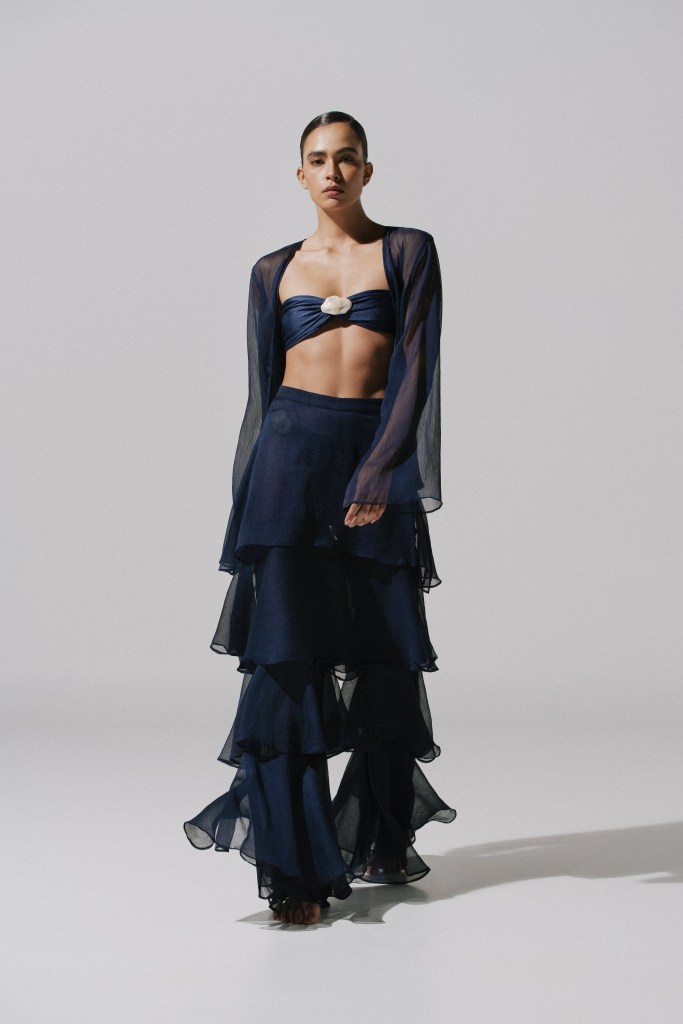
When the pandemic hit, everything stopped overnight. We were facing imminent bankruptcy. It could have easily been our breaking point, but instead we used that to get ahead in the game. With retail shut down, we focused inward: refining the product, strengthening our operations and rethinking our international strategy. That moment of uncertainty became the exact moment we entered the U.S. market, starting with Intermix. While others were waiting, we prepared, and when the market reopened, Baobab was ready to scale globally with our beach-to-bar approach within the resortwear category. What looked like a crisis turned into a defining growth moment for the brand, and a forever lesson to always turn difficulties into opportunities.
How long did it take to see consistent monthly revenue?
Consistent monthly revenue really started once I graduated and could dedicate myself fully to the business. The real shift came after the pandemic when wholesale partners began placing their orders, even reorders before the initial orders arrived at their warehouses, because they placed our products on preorder. That’s when we knew Baobab had moved from promising to proven, and our versatile beach-to-bar approach really had legs.
Growing the business from $200,000 in sales to $13 million just a few years later
What does growth and revenue look like now?
Growth and revenue is steady, global and intentional: 52 countries, over 450 boutiques and major partners including Saks, Bloomingdale’s and Revolve. We went from $200,000 in sales in 2020 to $13 million within four years. Growth matters, but so does protecting the brand and how its sustainable mission is built.
Find what makes you unmistakably unique.
What do you enjoy most about running Baobab?
It’s hard to pick just one, but I would say turning difficulties into strategy, making the brand a story as much as a product and using growth to create impact.
What’s your best piece of specific, actionable business advice?
Find what makes you unmistakably unique, then build a strong strategy so the world can’t miss it.
This article is part of our ongoing Women Entrepreneur® series highlighting the stories, challenges and triumphs of running a business as a woman.
Key Takeaways
- Espinosa wanted her side hustle to combat the fashion industry’s excessive waste issue.
- With an ultra-lean launch and a lot of creativity, Espinosa grew the business to millions of dollars in sales.
This Side Hustle Spotlight Q&A features Colombia-based entrepreneur Isabella Espinosa, 30. Espinosa is the founder and CEO of Baobab, a clothing brand that saw $200,000 in sales in 2020, then hit $13 million in sales within four years. Influencers and celebrities including Bethenny Frankel and Kit Keenan are among its fans. Responses have been edited for length and clarity.
Want to read more stories like this? Subscribe to Money Makers, our free newsletter packed with creative side hustle ideas and successful strategies. Sign up here.
Starting the side hustle that would become Baobab
What was your day job or primary occupation when you started your side hustle?
I started Baobab in college while studying to become a lawyer. In the beginning, it was just a side hustle idea that existed in the pages of my notebooks, but it quickly became an obsession that refused to stay on the side. I graduated as a lawyer but dedicated myself entirely to Baobab.