This Celebrity Chef Became Famous for a Unique Restaurant Business Model: ‘It’s Very Lean On Cash’
Mina’s been in the restaurant business for decades — and knows what it takes to stay relevant.
Key Takeaways
- Mina says launching the restaurant Aqua in San Francisco in 1991 laid the foundation for his career.
- Over time, the chef grew interested in a different kind of business model that allowed for more control.
- Mina launched The MINA Group in 2003; now, the group has more than 30 restaurants across the U.S.
Restaurants done right — the ones that take care of their guests and their staff — “bring out the best in everybody,” says Michael Mina, the James Beard Award-winning chef and founder of The MINA Group, which boasts more than 30 restaurants across the U.S.
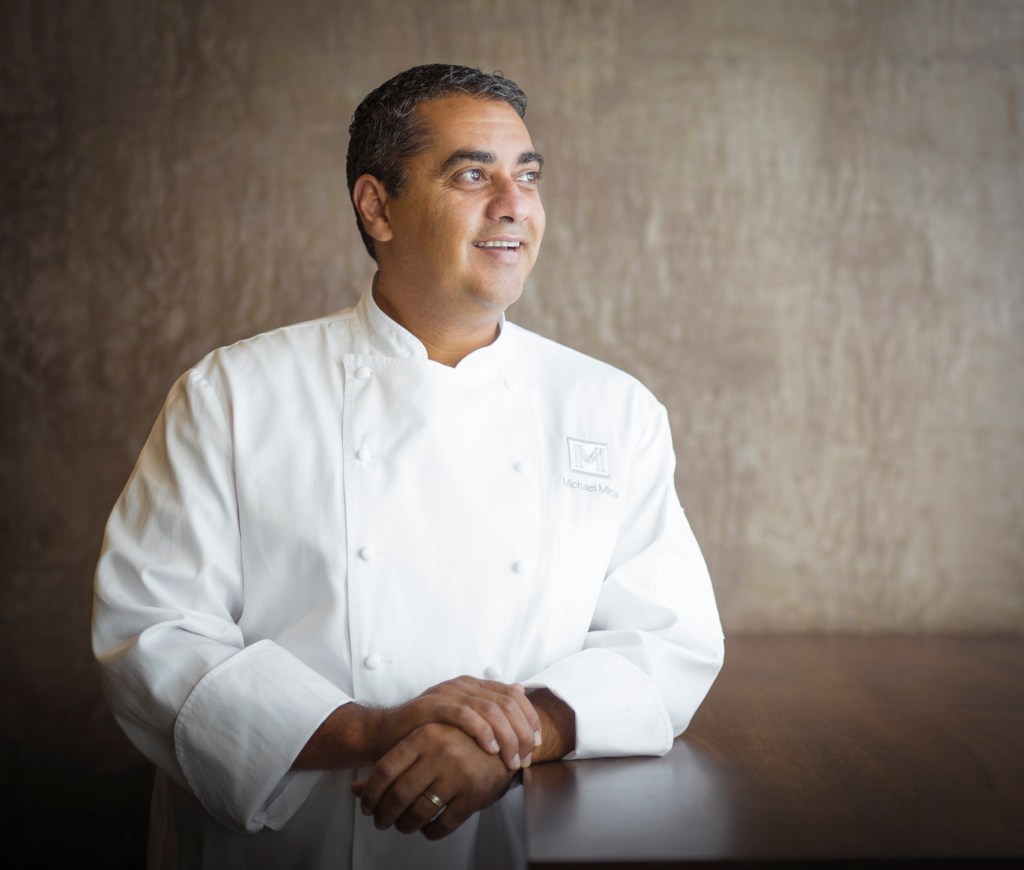
Mina has spent his decades-long, Michelin-star-studded career building restaurants with that commitment in mind.
The Egyptian-born chef grew up about 100 miles east of Seattle in Washington state and got his first taste of the restaurant business with jobs at local cafes. He went on to attend The Culinary Institute of America New York, connecting with and working alongside the renowned chef Charlie Palmer at his flagship New York City restaurant Aureole, which earned 13 Michelin stars and two James Beard awards.
Aqua opened in San Francisco in 1991
Then, during an externship at the Hotel Bel-Air, Mina worked with the chef George Morrone. With backing from San Francisco restauranteur Charles Condy, Mina and Morrone opened the restaurant Aqua in San Francisco in 1991. At the time, the only two restaurants to receive four stars in The San Francisco Chronicle were “whisper joints,” or places without very lively atmospheres.
Mina didn’t want Aqua, or any of the restaurants he’d open down the line, to fit that description. “I always wanted a restaurant that had a big bustling bar and was a little more modern, not that classic French, but taking great technique and everything else — just pushing the envelope,” he explains.
As a fish restaurant without boundaries, where seafood was the through-line and Italian and French dishes could coexist, Aqua gave Mina the opportunity to do just that. It was a foundational experience, the chef says.
With the Aqua Development Corporation, he embraced the chance to open a second concept in the Bellagio Hotel and Casino in Las Vegas when it opened in 1998.
Different business models: lease versus management contract
Traditionally, chefs who want to open a restaurant lease a space for their concept. That’s the model Aqua operated under at its 252 California Street location. However, building a first restaurant is so expensive that owners often give up a majority stake — and a lot of control — from day one, Mina says.
Opening the next restaurant location at the Bellagio allowed Mina to experiment with a different kind of business model, one he’d first experienced up close during his time at the Clift Four Seasons Hotel in San Francisco (he’d worked there after the 1989 Loma Prieta earthquake delayed Aqua’s opening).
Four Seasons Hotels and Resorts operates as a luxury management company that typically does not own the physical real estate of its properties. “Don’t own anything,” Mina says of Four Seasons’ strategy. “Manage everything. Build a really, really strong brand and then build a great following.”
With the Bellagio partnership, Mina saw firsthand how well the management-contract model could work in the restaurant business. All in, the Aqua Development Corporation built eight restaurants, with a fifty-fifty division across management contracts and leases.
A new, leaner business model
Mina left Aqua Development Corporation in 2002. He realized he was ready to part ways with his original business partner and financial investor, whose family wanted to get more involved in the business. “It was just time,” Mina says.
Mina kept the Bellagio and primarily management contracts, and in 2003, Mina started The MINA Group in partnership with Andre Agassi and Stefanie Graf, with a business model that focused exclusively on opening restaurants in hotels and casinos.
Unlike most restaurant groups, The MINA Group launched with a robust infrastructure, the founder notes: a real head of finance, HR, PR, marketing and no cost to build its first restaurant — Michael Mina at the St. Francis in San Francisco.
“ This model was much different because it was very lean on cash,” Mina explains, “and all the money just went to bringing the right people and starting a business from day one with all the disciplines you’d never have with a restaurant company that was starting with one restaurant.”
The business model came with another major asset: the hotel employees. In contrast to restaurant staff in most freestanding concepts, those in hotels are often unionized, giving them the good wages and benefits that most chefs wish they could, Mina says.
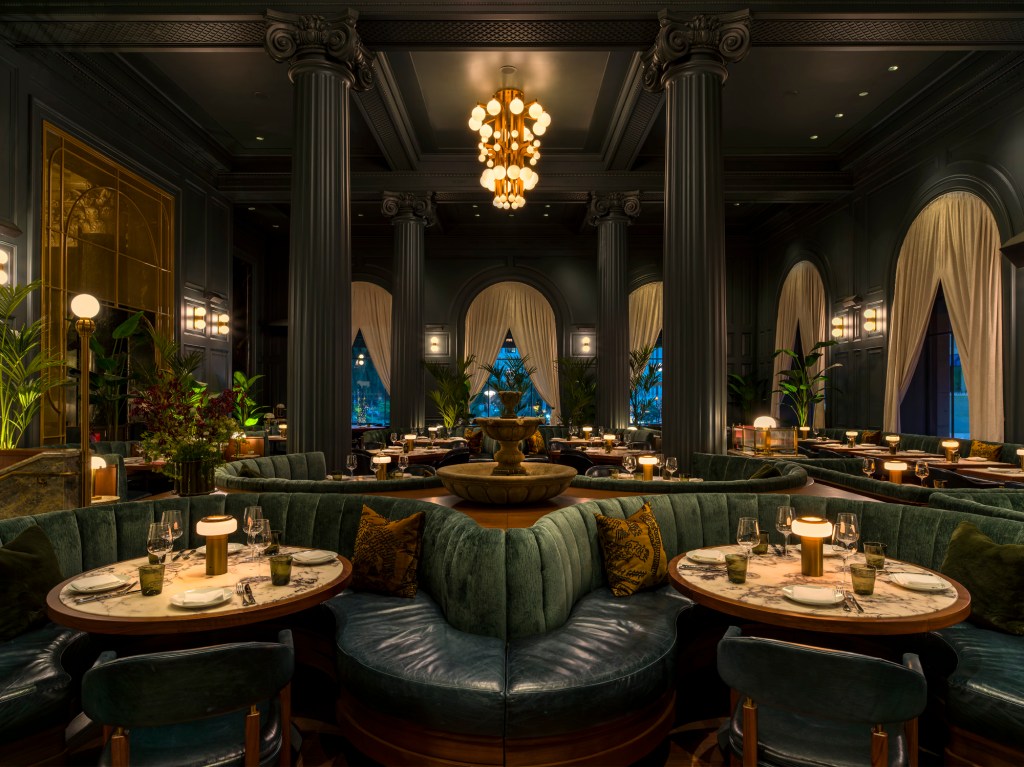
Michael Mina at the St. Francis set the stage
The Michael Mina restaurant at the St. Francis would go on to earn two Michelin stars, then four, and lay a strong foundation for The MINA Group.
It wasn’t long before The MINA Group received an influx of partnership requests.
Today, the group’s robust portfolio includes Bourbon Steak, which boasts 12 locations; Acqua Bistecca; Orla and International Smoke, to name a few.
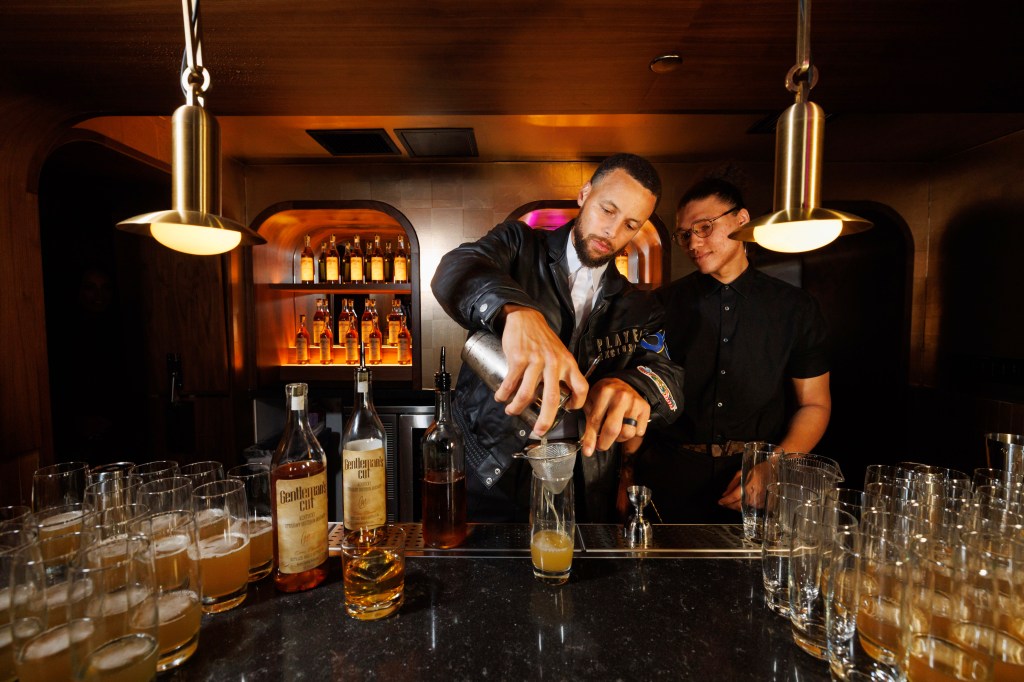
The most recent Bourbon Steak opened in October 2025 in San Francisco at The Westin St. Francis in Union Square. Mina also partnered with Stephen Curry to launch bourbon bar The Eighth Rule in the same building.
The creative side isn’t one-size-fits-all
Over the course of The MINA Group’s growth, Mina has never lost his passion for the creative side of restaurant-building. There’s no one-size-fits-all strategy, he says, and there are different considerations for restaurants in hotels versus casinos.
For example, in the little cities that are casinos, steakhouses might be standard fare, so the key is to consider what the casino partner doesn’t have — and what else the clientele wants, Mina says.
With hotels, on the other hand, it’s common for there to be just one specialty restaurant. What’s more, in the case of those hotel partnerships, The MINA Group is often tasked with putting together breakfast and lunch services in addition to dinner.
The other services can work well, especially lunch, but the focus always has to be dinner — the representation that says, This is who we are. “ We have to design it for dinner,” Mina explains. “We have to design it to be a restaurant that has relevance in this city, at dinner time, because that’s how you’re going to build something.”
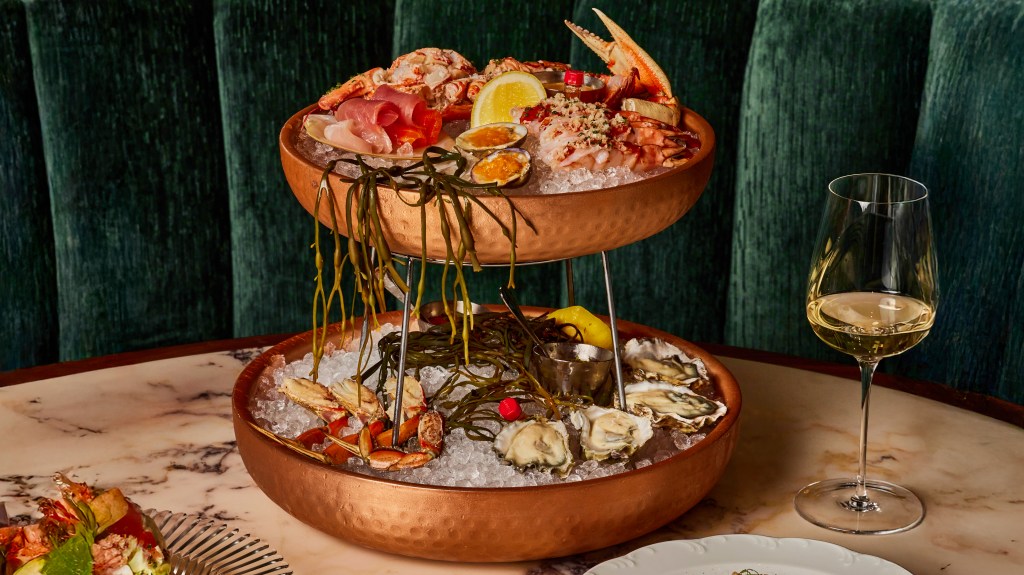
The MINA Group enters new cities strategically
When The MINA Group enters a new city, it considers concepts it already has, but it values flexibility, too. Mina notes that some cities can be protective of themselves and don’t necessarily want to use a name that belongs to a dozen other restaurants. Instead, The MINA Group might lean into another connection, such as a street name.
“Even if it’s a similar concept to what you have, you might need that connective tissue to that city,” Mina says. “You have to do your homework. You have to really put in the time to understand the people that are there and how it’s going to work.”
In smaller cities, Charleston or Nashville or Estero Bay, where The MINA Group’s second Acqua Bistecca opened in January 2026, Mina says restaurateurs not only need to build restaurants with a “wow” factor, but show up with the right level of humility.
“ Because the reality is, they’re not coming to your city — you’re going to their city,” Mina explains. “A lot of times people make the mistake of thinking, Oh, well we’ve got restaurants in this [big] city, so they’re lucky that we’re going there. That’s not the case.”
The value in embracing a city’s food and beverage culture
Successful restaurateurs have to embrace the people who have built that city’s food and beverage culture before them and establish a connection with residents, because at the end of the day, “They are your PR people,” Mina says.
At this stage, Mina has the utmost confidence in both his culinary and operations teams, which also helps the group feel comfortable going into some of the biggest cities, where the concepts have to live up to those cities’ reputations.
“Between the name Bourbon Steak and my name, you’re going to get judged, critiqued closely, and you have to be ready for that,” Mina says.
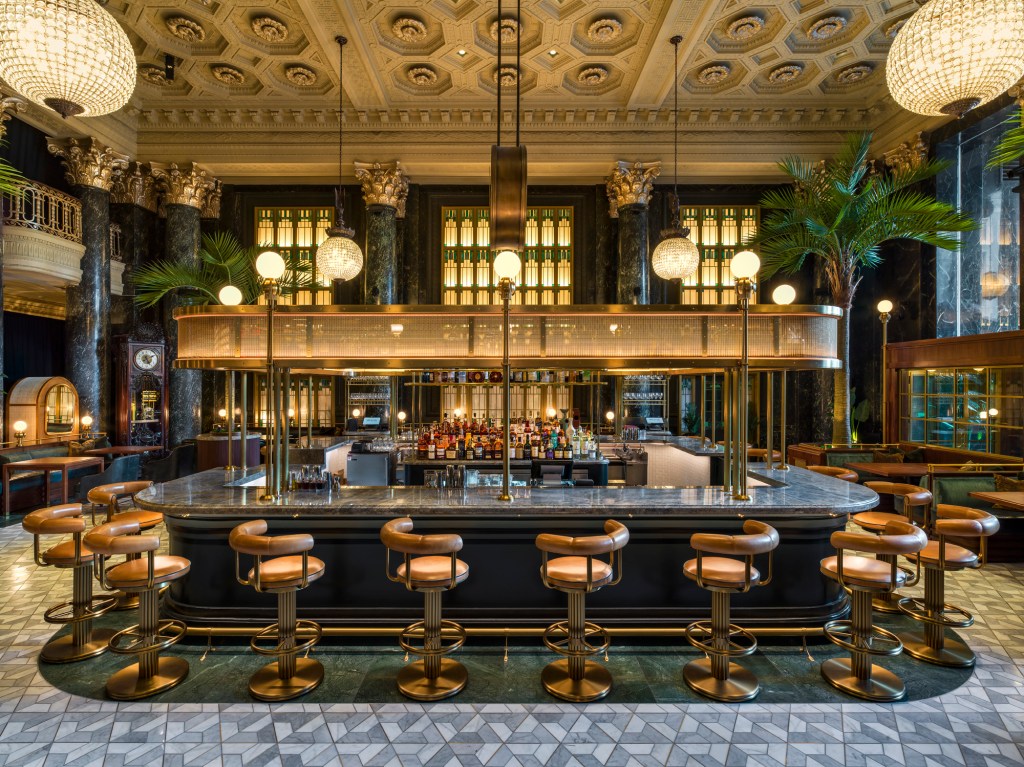
Restaurateurs must always keep in mind how a concept will complement the local food and culture — and never lose sight of what will make the city successful, too.
For instance, when Mina considered which restaurant to bring to New York City at the JW Marriott Essex House on Central Park South, he was tempted to “shoot for the moon,” and Michelin stars, and open another Michael Mina concept in the space (the current one is located in the Bellagio).
Ultimately, though, a Bourbon Steak location emerged as the right choice for that particular setting, as it wasn’t a bid to compete with all of the other four-star restaurants in the city. “While there are other incredible steakhouses in New York, it felt like the right time and place to bring this concept to life, and I was excited to evolve the concept through a New York lens,” Mina says.
Restaurants can revitalize cities and neighborhoods
The MINA Group also appreciates restaurants’ power to revitalize cities and neighborhoods. Any happening place needs a food and beverage scene, so as that develops, it builds out other facets of art and culture as well, the chef says.
Restaurant development can also spur a chain-reaction of other businesses entering the neighborhood, and inspire everyone to put their best foot forward. “ You’ll see the city get behind it in a way of bigger than the restaurant,” Mina explains, “the mayor and the city getting behind it and saying, Okay, we need to keep upping our game around here.”
In a city like San Francisco, there’s no doubt you can bet on the city.
To that end, the group is eager to invest in cities grappling with economic and tourism challenges, such as San Francisco.
In 2019, San Francisco drew a record-high 26.2 million visitors, translating to $10.3 billion in total spending, per San Francisco Travel Association. Those numbers plummeted amid the pandemic, and by 2021, the city saw 14.8 million visitors and $3.1 billion in total spending. San Francisco Travel’s 2026 forecast predicts more than 24 million visitors to the city and nearly $10 billion in spending.
“In a city like San Francisco, there’s no doubt you can bet on the city,” Mina says. “San Francisco is just way too beautiful and has too much to offer for it not to come back. The financial district is going to be back. It’s just common sense that those buildings aren’t going to sit empty forever.”
The MINA Group has weathered the storm in the city, adjusting its restaurants’ hours of operations at times. At this point, though, nearly all of The MINA Group’s restaurants are back up and running in full, even lunch. Those restaurants aren’t hitting the lunch numbers they did in the past, but it’s enough to sustain the service, Mina says.
How restaurants can stay relevant over decades
Looking forward, The MINA Group intends to continue building out its successful partnership model, welcoming the culinary collaborations that allow its restaurants to break the mold and raise the bar.
Mina notes that it can be difficult for a restaurateur to stay relevant decade after decade. In his more than 30 years in the business, he’s seen many people come and go. It’s important not to get complacent.
“Bourbon Steak’s a 20-year-old brand, but if you go into the Westin, that’s not the Bourbon Steak that opened 20 years ago,” Mina says. “What we’re doing with it now is way more forward than what we did with it 20 years ago. That’s our responsibility.”
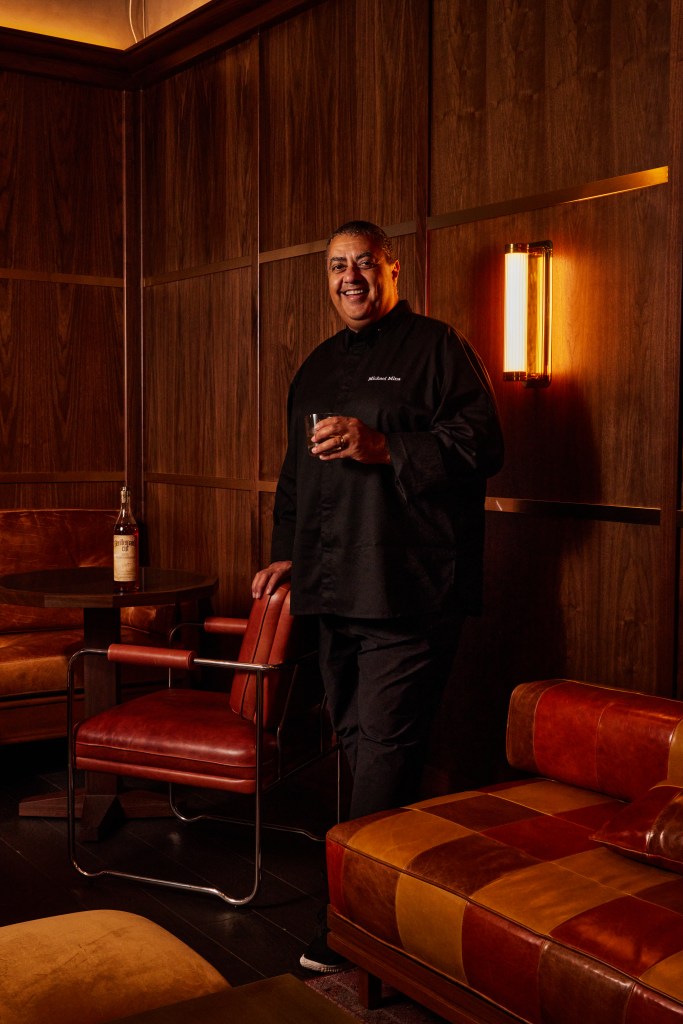
To stay on the cutting edge, Mina suggests assessing tools and systems every six months to a year to make sure they’re still working optimally.
Additionally, he stresses that a restaurant’s staff will always be its most valuable asset, and cautions against falling for the widespread idea that people don’t want to learn or work as hard as they did in the past.
Instead, the chef says that people absorb information differently now, learning a lot more digitally — and it’s on founders and entrepreneurs to keep pace with that, as they’re only going to be as good as their staff.
“They have to be very confident so that their true personalities come out,” Mina says. “And then it matters how much they buy in. They become the face — that’s how you make any legendary restaurant.”
Key Takeaways
- Mina says launching the restaurant Aqua in San Francisco in 1991 laid the foundation for his career.
- Over time, the chef grew interested in a different kind of business model that allowed for more control.
- Mina launched The MINA Group in 2003; now, the group has more than 30 restaurants across the U.S.
Restaurants done right — the ones that take care of their guests and their staff — “bring out the best in everybody,” says Michael Mina, the James Beard Award-winning chef and founder of The MINA Group, which boasts more than 30 restaurants across the U.S.
Mina has spent his decades-long, Michelin-star-studded career building restaurants with that commitment in mind.
The Egyptian-born chef grew up about 100 miles east of Seattle in Washington state and got his first taste of the restaurant business with jobs at local cafes. He went on to attend The Culinary Institute of America New York, connecting with and working alongside the renowned chef Charlie Palmer at his flagship New York City restaurant Aureole, which earned 13 Michelin stars and two James Beard awards.