Her Protein-Packed Business Went Viral and Made $20K in 1 Month. Now It’s On Track For $1M This Year: ‘It’s Pretty Nonstop’
Caroline Dai had always been passionate about consumer brands.
Key Takeaways
- Dai wanted to bring Sichuan-style dougan to North American snack aisles.
- She launched TofuGo in March and quickly hit $5,000 a week in sales.
- Now, she’s continuing to grow the business, which is projected to hit $1 million in annual revenue.
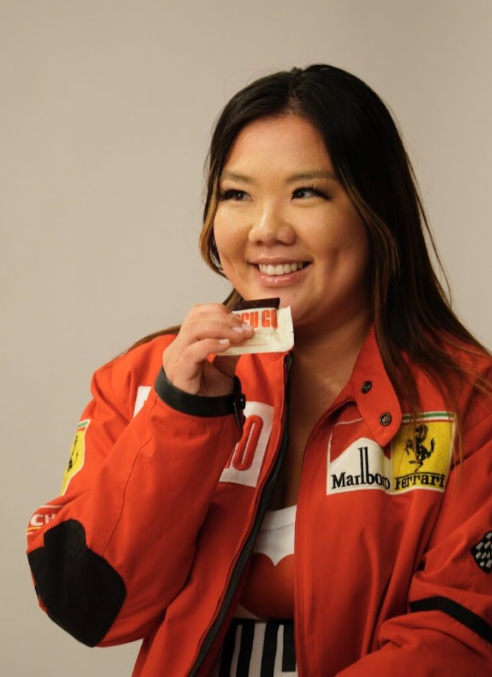
This Q&A features Caroline Dai, founder and CEO of TofuGo Snacks, a business selling high-protein tofu snacks. The entrepreneur, who splits her time between Seattle and Vancouver, left her full-time position with Deloitte in 2024 and has since become an investor in several companies: Aura Finance, Vessl Prosthetics and Benny. TofuGo launched this past March and went viral on social media — hitting $20,000 in monthly revenue. Now the business is on track for $1 million this year. Responses have been edited for length and clarity.
What was your day job or primary occupation when you started your business?
Before starting TofuGo, I worked in strategy and finance. I had always loved consumer brands and entrepreneurship. I was always snacking on protein bars or drinking protein drinks at my desk. There was still a huge gap in the protein snack aisle: Everything felt sweet and processed. I decided to build a savory protein snack made of whole foods.
When did you start your business, and where did you find the inspiration for it?
I officially launched TofuGo in March 2026, but the idea started much earlier. I grew up eating Sichuan-style dougan, which is a flavorful pressed tofu snack that’s incredibly popular in Asia but almost nonexistent in mainstream North American snack aisles. Every protein snack I saw in the U.S. was either a sweet protein bar or jerky. I wanted to create something savory, high-protein, portable and shelf-stable that reflected the flavors I grew up with, and make the product mainstream. That became TofuGo — “the world’s fastest tofu.”
Pushing past rejection, finding a manufacturer
What were some of the first steps you took to get your business off the ground?
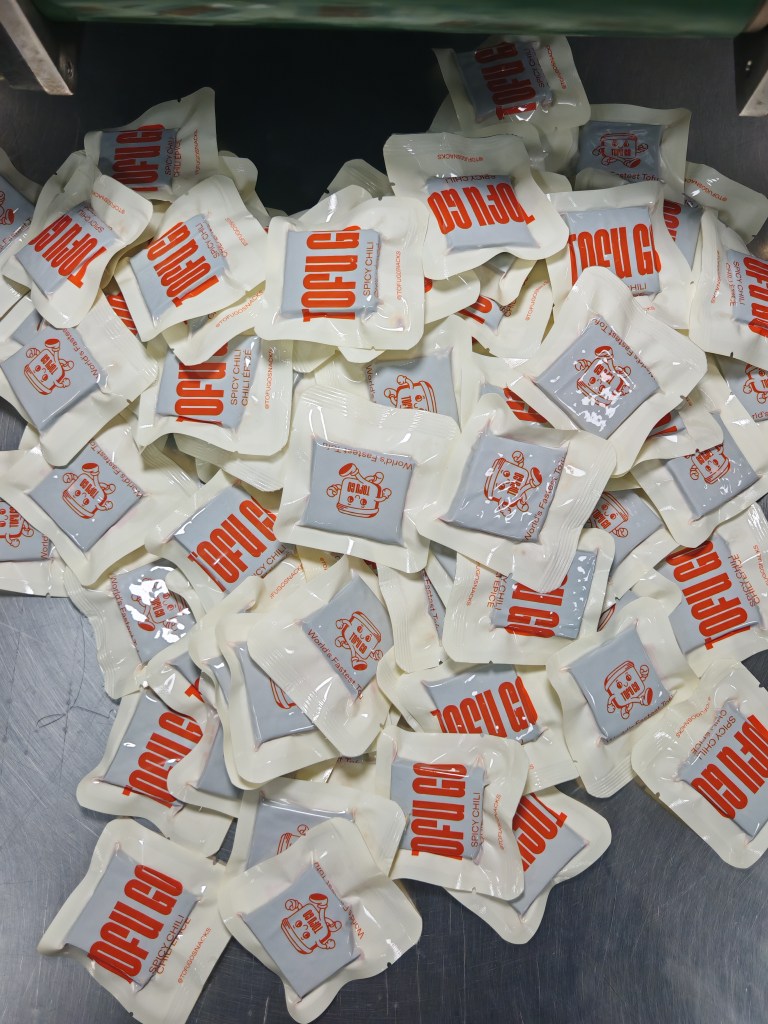
The first step was figuring out who was going to produce shelf-stable tofu snacks. I spent months sourcing manufacturers, testing recipes and refining packaging. Most co-manufacturers said no early on because they are not experienced in shelf-stable tofu snacks. So I faced a lot of nos in the beginning. I also focused heavily on branding early because I knew this product needed to stand out visually to get people curious enough to try tofu in a completely different format.
Are there any free or paid resources that have been especially helpful for you in starting and running this business?
I was part of a startup accelerator called the League of Innovators. It’s a free platform for young entrepreneurs to meet industry mentors, gain education and connect with other founders. It was very helpful, especially to see other young founders excel. One famous alumni that came out of the program is Tara Bosch from SmartSweets. Other founders have honestly been the most valuable resource. Conversations with founders in CPG taught me more than any course or textbook ever could.
Trade shows like Expo West were also incredibly helpful because I can see how brands position themselves in real time, meet buyers and understand where the industry is heading.
Consumer brands learn by shipping
If you could go back in your business journey and change one process or approach, what would it be, and how do you wish you’d done it differently?
I would have worried less about perfection before launch. At the beginning, I thought every detail needed to be perfect before putting the product into the world. But consumer brands learn by shipping. You learn from customer reactions, not from endlessly revising in isolation. Speed matters a lot more than most first-time founders realize.
When it comes to this specific business, what is something you’ve found particularly challenging and/or surprising that people who get into this type of work should be prepared for, but likely aren’t?
Food logistics are brutally complex. People see a snack brand and think the hard part is creating the flavor. In reality, supply chain coordination, inventory management, shelf life, shipping costs and retail operations become massive parts of the business almost immediately.
Another surprising thing is how much education matters. Many consumers have never seen tofu positioned as a high-protein savory snack before, so storytelling becomes just as important as the product itself.
Investing time in social media and consumer education
Can you recall a specific instance when something went very wrong — how did you fix it?
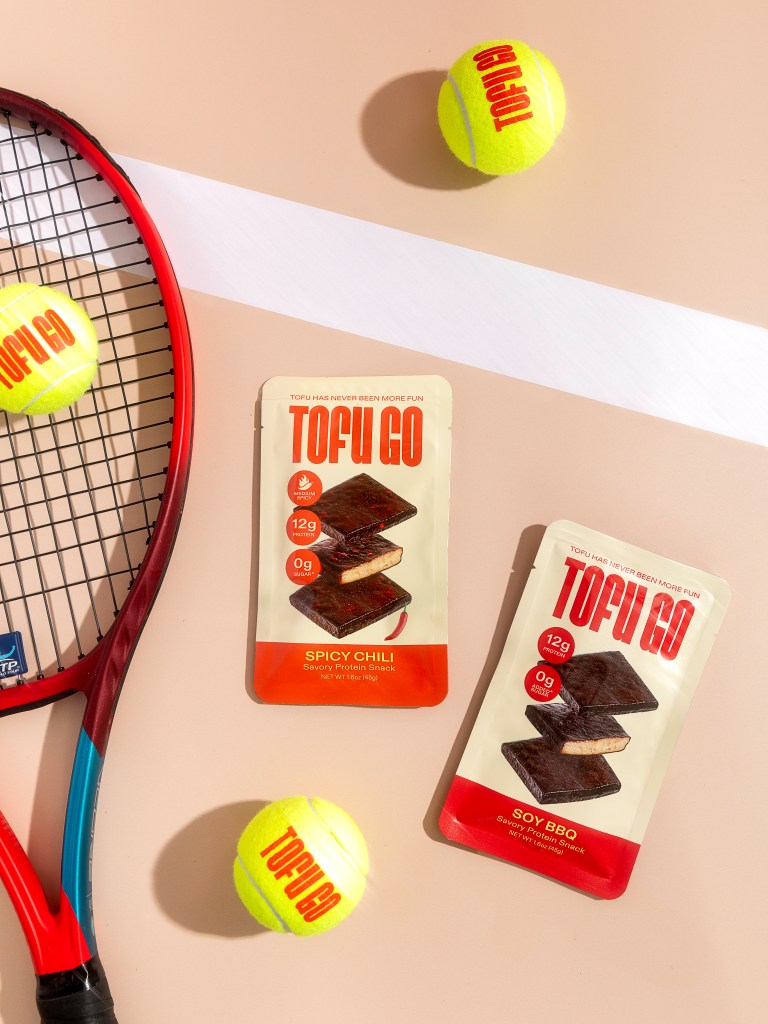
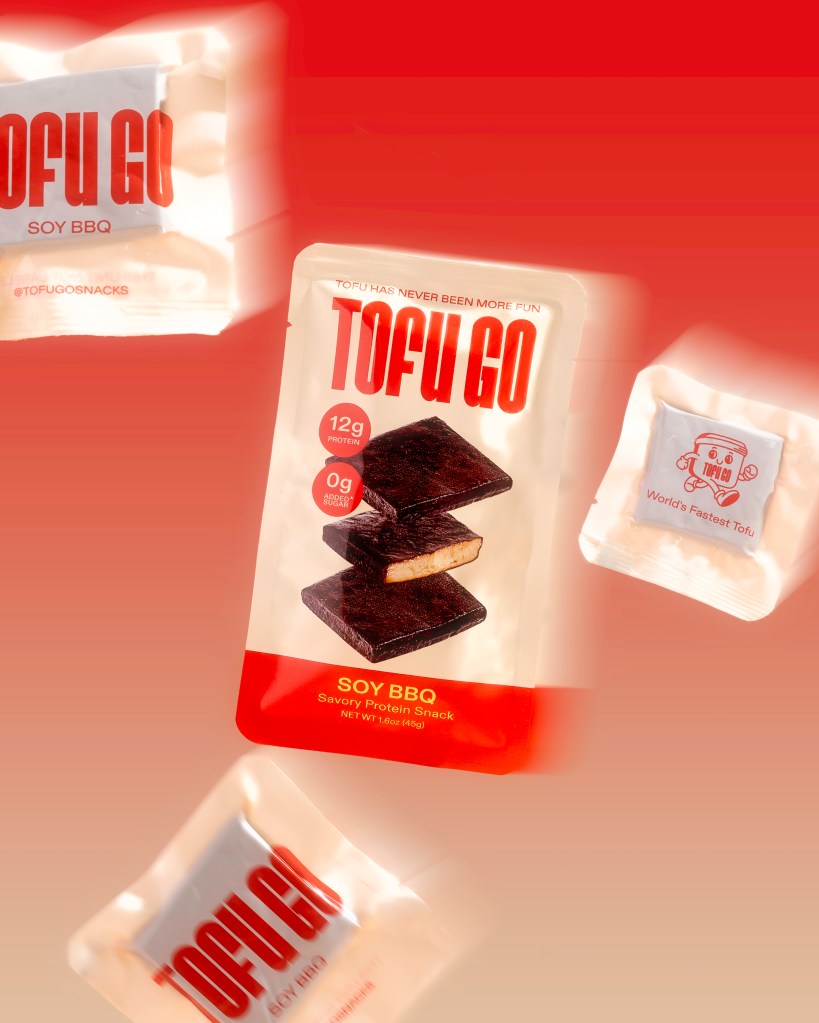
One early challenge was that some people thought our Soy BBQ flavor was chocolate or a sweet snack instead of a savory tofu snack. Because we were creating something in a category people hadn’t really seen before, we realized consumers were relying heavily on quick visual assumptions from the packaging.
All of this motivated me to invest more time in social media, spending time educating people that this is tofu in a form they aren’t used to. Instead, it’s a savory protein snack. We also created visuals of the savory flavor profile that were educational. It really forced me to think about clearer messaging and language.
Hitting $5,000 a week and $1 million projected annually
How long did it take you to see consistent monthly revenue? How much did the side hustle earn?
We started seeing traction quickly after launch. Our social media went viral two weeks after launch and led to strong momentum.
Early media coverage drove tons of visitors to our website, and it validated that there was real demand around savory protein snacks and shelf-stable tofu products. We soon saw $5,000 weekly revenue and hit $20,000 in one month. We are projected to bring in $1 million in revenue in year one based on our growth in both the U.S. and Canada.
What does growth and revenue look like now?
The growth has been very fast for such an early-stage food brand. We’ve expanded rapidly across the U.S. and Canada through DTC, online marketplaces and retail conversations.
What’s been most rewarding is seeing how excited people are about TofuGo. The repeat purchase behavior and word-of-mouth have been incredibly encouraging.
Founders have to “switch contexts”
How much time do you spend working on your business on a daily, weekly or monthly basis?
Honestly, it’s pretty nonstop. I would say about 60 hours a week. A typical week can include everything from manufacturing calls and logistics to conversations with partners, content creation and customer support.
One of the biggest surprises about being a founder is how quickly you have to switch contexts constantly. You can go from discussing P&L in the morning to filming Instagram videos in the afternoon.
What do you enjoy most about running this business?
I love building something that feels culturally meaningful while also solving a real consumer problem. Seeing people react with “Finally, a savory protein snack” has been incredibly rewarding because it validates the original insight behind the brand. I also love how creative consumer brands are — packaging, storytelling, community and product all come together into one experience.
What is your best piece of specific, actionable business advice?
When I first started, I was a bit nervous about posting on social media. I pushed myself hard because I told myself I am the best ambassador for TofuGo. I realized momentum matters a lot psychologically as a founder. After one of our posts went viral two weeks after launching, I became significantly more motivated and confident in the business. It was also a moment of encouragement, telling myself, I am good at this! It reminded me that consistency online can create opportunities very quickly, especially for consumer brands. My advice is to show up on camera early on because there is no better ambassador of the brand than the founder.
Key Takeaways
- Dai wanted to bring Sichuan-style dougan to North American snack aisles.
- She launched TofuGo in March and quickly hit $5,000 a week in sales.
- Now, she’s continuing to grow the business, which is projected to hit $1 million in annual revenue.
This Q&A features Caroline Dai, founder and CEO of TofuGo Snacks, a business selling high-protein tofu snacks. The entrepreneur, who splits her time between Seattle and Vancouver, left her full-time position with Deloitte in 2024 and has since become an investor in several companies: Aura Finance, Vessl Prosthetics and Benny. TofuGo launched this past March and went viral on social media — hitting $20,000 in monthly revenue. Now the business is on track for $1 million this year. Responses have been edited for length and clarity.
What was your day job or primary occupation when you started your business?
Before starting TofuGo, I worked in strategy and finance. I had always loved consumer brands and entrepreneurship. I was always snacking on protein bars or drinking protein drinks at my desk. There was still a huge gap in the protein snack aisle: Everything felt sweet and processed. I decided to build a savory protein snack made of whole foods.
When did you start your business, and where did you find the inspiration for it?
I officially launched TofuGo in March 2026, but the idea started much earlier. I grew up eating Sichuan-style dougan, which is a flavorful pressed tofu snack that’s incredibly popular in Asia but almost nonexistent in mainstream North American snack aisles. Every protein snack I saw in the U.S. was either a sweet protein bar or jerky. I wanted to create something savory, high-protein, portable and shelf-stable that reflected the flavors I grew up with, and make the product mainstream. That became TofuGo — “the world’s fastest tofu.”