My Wife and I Started a Business to Elevate Aperitivo Hour in the U.S. It’s Averaging $8,000 to $10,000 a Month.
Joe Fiorenzo and Sheela Prakash spun their love of Italian culture into a CPG brand.
Key Takeaways
- Fiorenzo and Prakash reached out to Italian producers to launch their brand Sfizi.
- Sfizi translates to whims in Italian; the couple considers them little pleasures.
- Now, they’re targeting $100,000 in annual sales and eyeing product expansion.
This as-told story is based on a conversation with Joe Fiorenzo. Fiorenzo and his wife, Sheela Prakash, co-founded Sfizi, a food company curating Italian products in celebration of aperitivo culture. They launched their first product, ring-shaped snack crackers called taralli, in December 2025. Now, their business sees an average of $8,000 to $10,000 in monthly sales, on track for $100,000 in its first year, as it plans for product expansion. The piece has been edited for length and clarity.
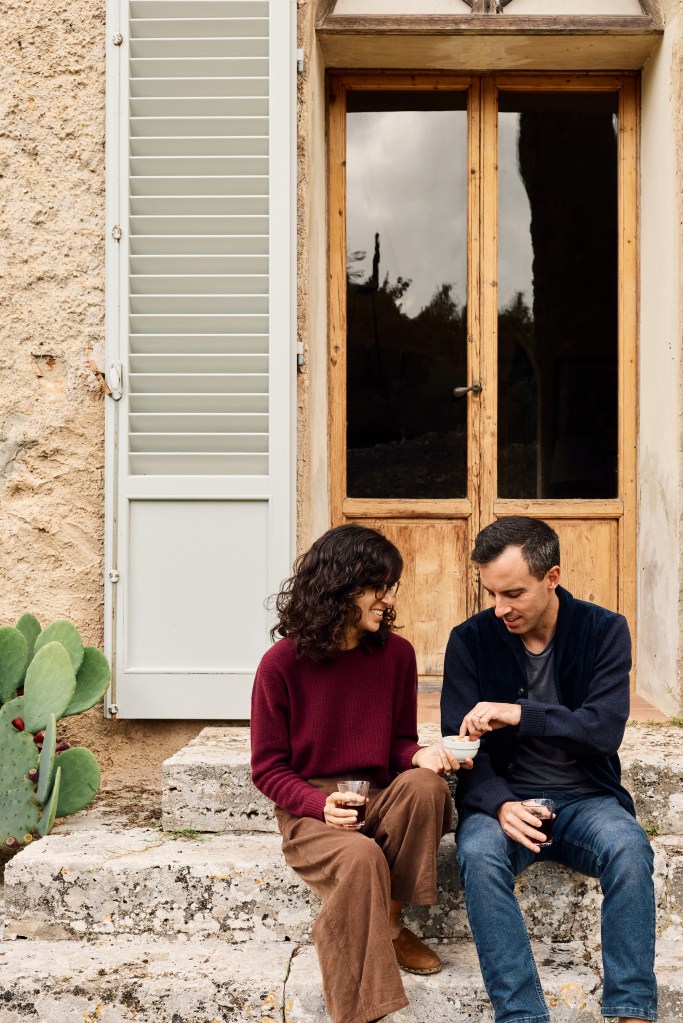
I started the business with my wife, Sheela. Sheela has studied and lived in Italy off and on for the past 10 years. We’ve been together for all that time, and we’ve traveled in Italy together. During that time, we fell in love with Italian culture. I also have an Italian American background, so I’ve experienced some of those Italian influences over the course of my childhood.
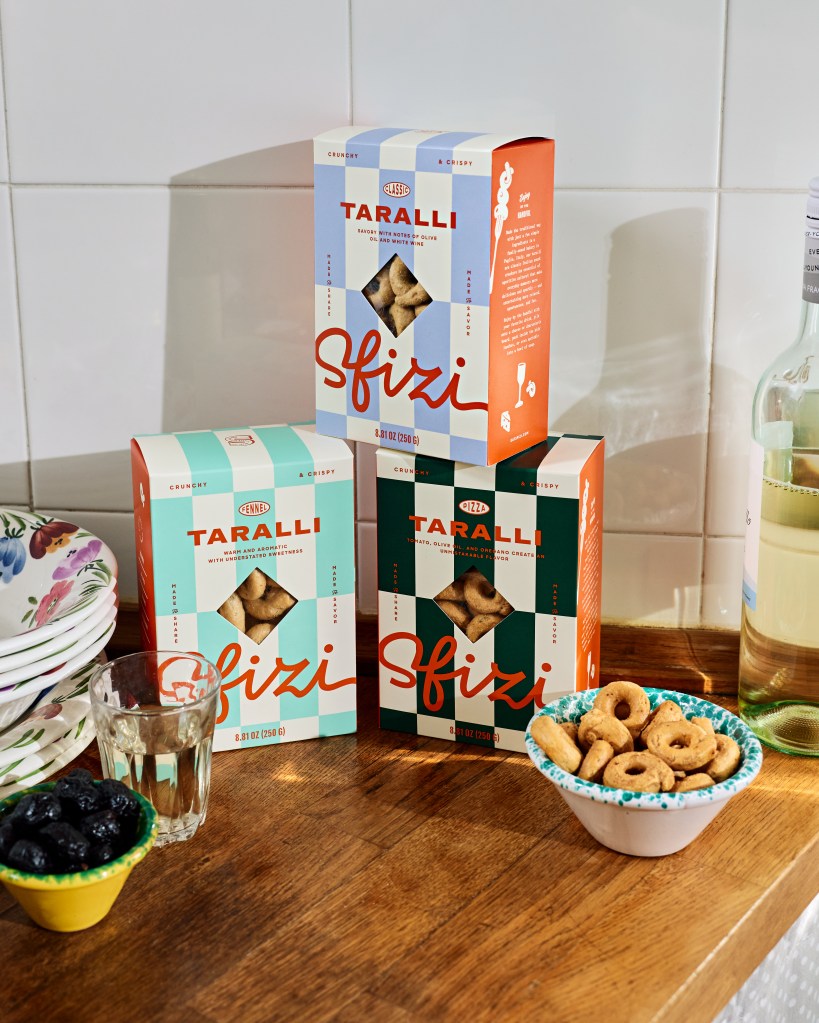
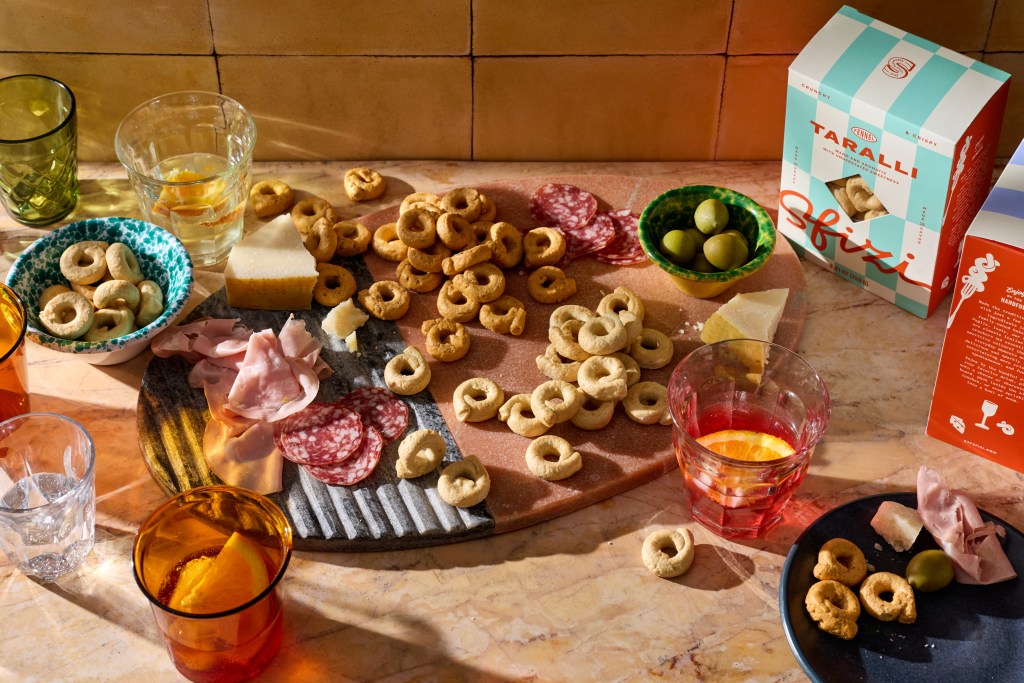
Sfizi translates to “whims” in Italian. We like to refer to them as little pleasures. The goal is basically to celebrate little pleasures of Italian culture. We launched with Italian Taralli crackers, the small bagel-looking crackers. You do see them throughout the United States. A lot of times they’re in those clear cellophane bags. They’re often very dusty looking, at the bottom of a basket somewhere in the cheese section. We wanted to start with that product because it felt like an easy segue.
Starting a self-funded business without a CPG background
Neither of us have a CPG background. I worked in corporate insurance for 17 years. Sheela has a food background, but not in the CPG space. So we wanted to start small. We figured, if we can’t figure this out, then we probably are in the wrong business, so we should probably do something else. But it’s been good so far. We launched with three flavors; we wanted to make them fun, approachable and eye-catching.
We started reaching out to brand design companies in early 2025. At the same time, we reached out to various producers in Italy to see if they could accommodate what we were looking to do. The first probably six months were mostly going back and forth on the brand identity and our vision.
We sent out about a dozen cold emails to Italian producers to get a sense of what was possible. Then we spent two to three weeks traveling the Puglia region of Italy, visiting producers and sampling taralli and other products that they had, trying to develop a rapport in that short amount of time. Of course, there was a little bit of a language barrier, so we wanted to make sure there was somebody on their team who could communicate in English in case there was something that needed to be kind of articulated that we couldn’t necessarily translate. So that was a fun but long process.
We’re completely self-funded. Total startup costs were around $50,000. We are looking at potential investors going into next year. So hopefully we have a little bit more support. We have a steady stream of revenue. We had a pretty aggressive launch and pretty good revenue stream the first few months. Then it kind of evened out a little bit, and now we’re pretty stable. Depending on the month, we’re averaging $8,000 to $10,000 gross sales. We’re targeting over $100,000 in gross sales for the first year.
Leveraging social media and brand collaborations
We have a social media person who works with us, a contract worker who’s a friend of ours. And we’ve been leaning heavily on her for putting inspirational, creative and fun posts out. We have 10 to 12 posts go out a week to keep that interest going. Also, we’ve done some partnerships with other brands. We’ll do a collaboration where we give away both of our products. There’s a lot of opportunity in that space because there are so many different CPG brands out there looking to gain exposure. We’re obviously willing to partner with anybody who’s willing to do the same for us.
Now, we are fully focused on the business, with the exception of some side projects. My wife is a cookbook writer, so she’s been working on that as well. And side projects that I’ve been working on that are not CPG-related. The day running Sfizi can be very time-consuming, but it can also be less time-consuming, depending on what’s going on. So you have to put other things on your plate as well.
Navigating timing and order flow for success
The biggest challenges have revolved around timing and order flow, both in terms of customer ordering and placing orders with our Italian producers for our product. It’s difficult because you can’t always anticipate what sales are going to be like. When we first launched, we had a relatively small volume because we really had no idea and we needed to have a baseline. So just in case we weren’t able to sell anything, we weren’t out of pocket a lot of money.
Luckily, we sold out very quickly — in less than a month. So from there, we ramped up production and scaled that way. The timing of that plus the other elements that go into delivering the final product, whether it’s design for the packaging, printing packaging, etc. — coordinating the timelines of all those different vendors — can be tough. And then we have a third-party warehouse that stores our product and also fulfills orders.
It’s really been a learn-on-the-fly process because we didn’t have the experience with it. But we have a much better handle on it now than we did eight months ago. Now, we have enough order volume that we’re comfortable with ordering more product than we might actually need for the very foreseeable future. Our product does have a long shelf life right now, about a year. So if the product has to sit for a little bit, that’s fine.
Expanding the product portfolio
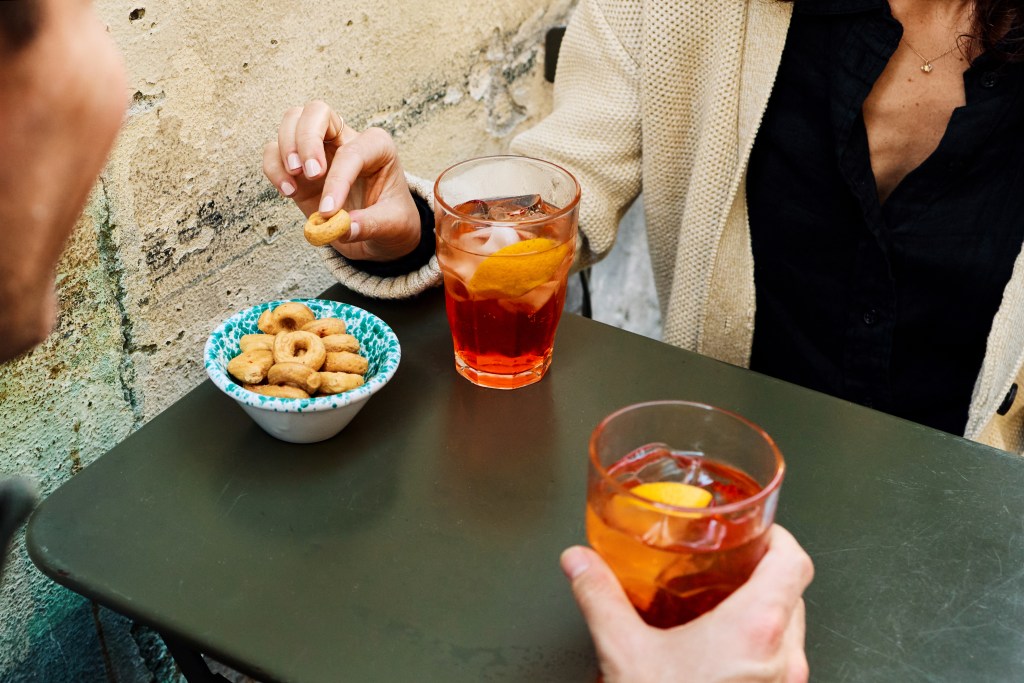
We’re definitely looking to broaden the product portfolio. At least for now, we want to stay within the Italian aperitivo angle because that’s popular in the U.S. People are always looking for new, fun snacks or products to go along with their spritz or negroni or whatever the drink of the week is. So we’ve reached out to a few different Italian producers for a few different products, though we don’t have anything lined up definitively yet. But we’re pretty certain we’re going to launch at least a second full product early in spring of 2027. We just haven’t ironed out all the details yet.
Down the road, we would certainly like to dip into the pantry element of things, whether that’s a fun pasta, sauce or even flour. These days, there’s such a focus on good flours, bread and healthful snacks. So we’re in a good spot for a lot of different directions from a product standpoint. Currently, we don’t import in bulk, but that is something we would consider because we’ve gotten some interest from restaurants and bars.
Advice for other CPG founders
To anyone considering starting a business in the CPG space, don’t be afraid to ask people for help. Meet with other brands and companies doing similar things. Because what you really come to realize is nobody knows that much, but somebody might know just a little bit more, or maybe they’ve had a certain experience with something that you haven’t. So pick people’s brains and just try to understand how they’re doing things. You might be able to apply what they’re doing to your business, even if it’s not exactly the same thing.
You can’t be afraid to fail. We went into this business with good intentions, but we truly did not know how it was going to work out. So you have to have a little bit of humility. Don’t be afraid to be vulnerable and ask questions. Because without the tips from some of these other founders, I don’t know if we would be where we are now.
Key Takeaways
- Fiorenzo and Prakash reached out to Italian producers to launch their brand Sfizi.
- Sfizi translates to whims in Italian; the couple considers them little pleasures.
- Now, they’re targeting $100,000 in annual sales and eyeing product expansion.
This as-told story is based on a conversation with Joe Fiorenzo. Fiorenzo and his wife, Sheela Prakash, co-founded Sfizi, a food company curating Italian products in celebration of aperitivo culture. They launched their first product, ring-shaped snack crackers called taralli, in December 2025. Now, their business sees an average of $8,000 to $10,000 in monthly sales, on track for $100,000 in its first year, as it plans for product expansion. The piece has been edited for length and clarity.
I started the business with my wife, Sheela. Sheela has studied and lived in Italy off and on for the past 10 years. We’ve been together for all that time, and we’ve traveled in Italy together. During that time, we fell in love with Italian culture. I also have an Italian American background, so I’ve experienced some of those Italian influences over the course of my childhood.
Sfizi translates to “whims” in Italian. We like to refer to them as little pleasures. The goal is basically to celebrate little pleasures of Italian culture. We launched with Italian Taralli crackers, the small bagel-looking crackers. You do see them throughout the United States. A lot of times they’re in those clear cellophane bags. They’re often very dusty looking, at the bottom of a basket somewhere in the cheese section. We wanted to start with that product because it felt like an easy segue.