Their ‘Indulgent’ Side Hustle Started With Kitchen Experiments and ‘Reddit Rabbit Holes.’ It Hit $40K in Month 1.
Lindsay Goodstein and Charlotte Cruze’s scrappy young business is seeing major growth.
Key Takeaways
- Goodstein was working in pharmaceutical sales when she got the idea for a functional, tasty side hustle.
- She connected with alice mushrooms co-founder Charlotte Cruze via a pre-seed fundraising round.
- Now, alice mushrooms sees six figures a month as the co-founders plan for ongoing retail expansion and growth.
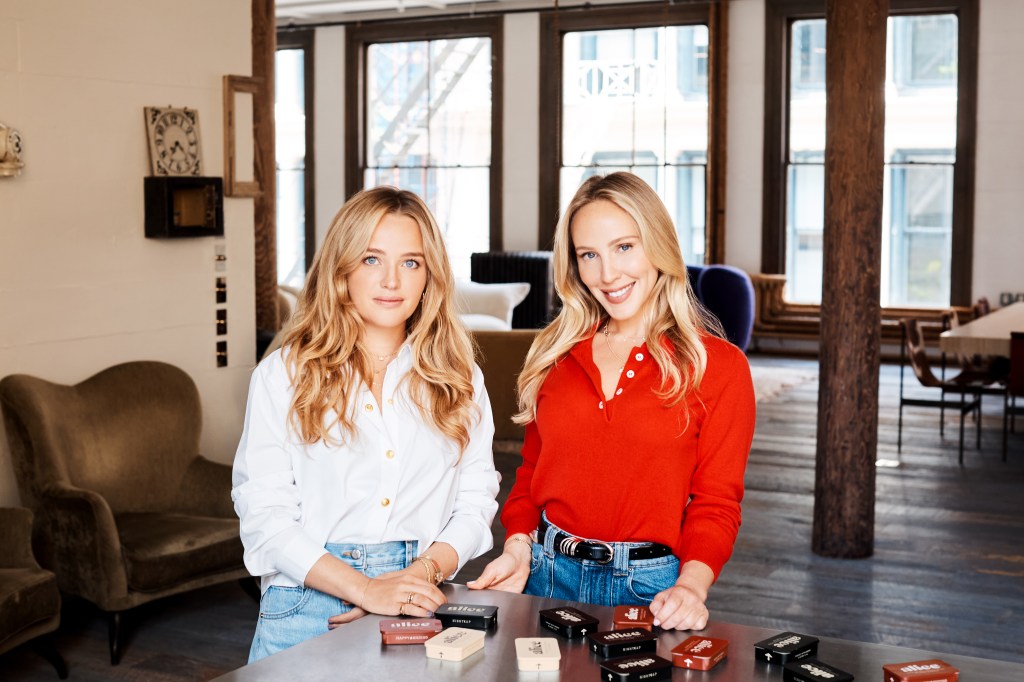
This Side Hustle Spotlight Q&A features Lindsey Goodstein, 35, of Venice Beach, California and Charlotte Cruze, 33, of Brooklyn, New York. Goodstein and Cruze are the co-founders of alice mushrooms, a business selling functional mushroom chocolates with nootropics and adaptogens for wellness. Responses have been edited for length and clarity.
Sign up for the Money Makers newsletter to get weekly, expert-backed tips to help you earn more money — from real people who founded and scaled successful businesses. Get it in your inbox.
What was your day job or primary occupation when you started your side hustle
Goodstein: I was working in pharmaceutical sales and DJing on the side.
Cruze: When we started alice mushrooms, I was entrenched in side hustles…when we started working on alice, I was in graduate school part time at NYU pursuing a masters in food studies, teaching yoga and consulting as head of growth for another consumer food product.
After-work kitchen experiments help start a side hustle
When did you start your side hustle, and where did you find the inspiration for it?
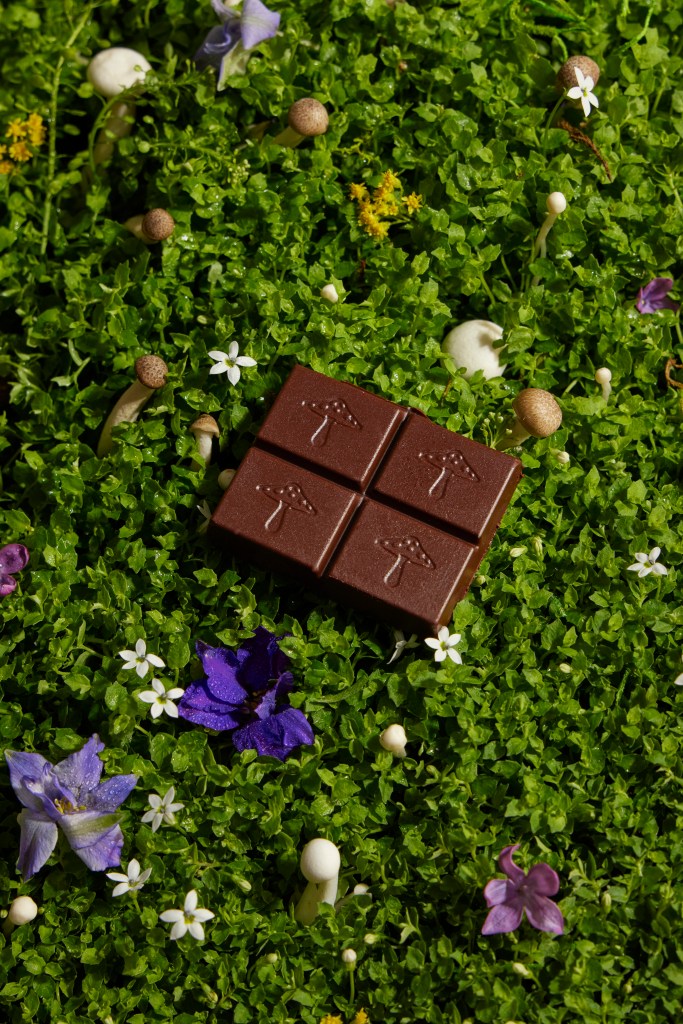
Goodstein: In December 2019, I started experimenting with making functional mushroom chocolate in my kitchen at night after work. I’d order different supplements, go down Reddit rabbit holes and use what I knew from pharma to obsess over delivery methods. I wanted to create mushroom supplements that tasted genuinely good, absorbed better than capsules and actually felt effective in real time, not three weeks later.
What were some of the first steps you took to get your side hustle off the ground? How much money/investment did it take to launch?
Goodstein: The very first step was the name. I couldn’t build anything without a name and a point of view. Then came brand and packaging. My best friend is a graphic designer, and she helped me create the first logo so I could start printing labels and making it feel real.
Early days were extremely scrappy. I literally went to Sally’s Beauty Supply to buy tin foil to wrap chocolates in. There was a lot of research and development and trial and error before I raised our first money.
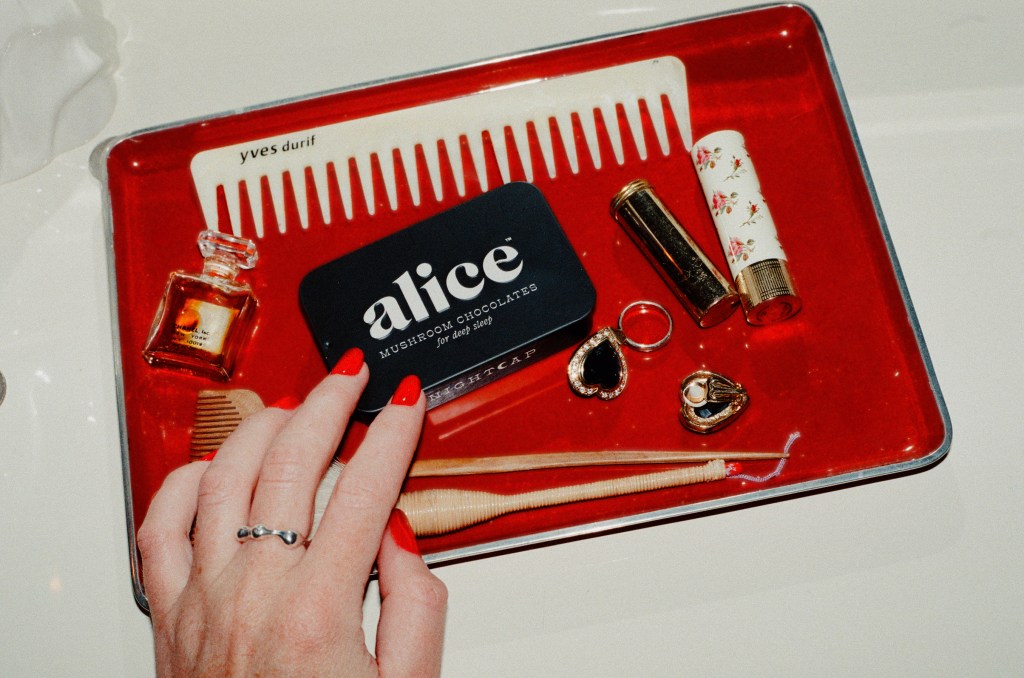
Eventually, I found my first investor to take a chance on me with a $100,000 pre-seed. That first check funded the business through launch, including product development, packaging and finding my other half Charlotte, who is now my co-founder.
Using free and paid resources to launch and grow a side hustle
Are there any free or paid resources that have been especially helpful for you in starting and running this business?
Goodstein: Superhuman completely changed the game for me. It’s the only email setup that matches how my brain works. I can move fast, stay organized and do everything via keyboard shortcuts without touching my mouse. It sounds small, but it’s been a game changer for both of us, and we have all of our employees use it now as well.
Cruze: Canva! Figma! There’s a reason these companies are valued in the billions. As a scrappy young brand, oftentimes you’re either doing design yourself or being very picky with a designer about what they’re delivering for you. Being able to have autonomy with very user-friendly design platforms is a game changer.
The unique challenges that come with a chocolate side hustle
When it comes to this specific business, what is something you’ve found particularly challenging and/or surprising that people who get into this type of work should be prepared for, but likely aren’t?
Goodstein: Chocolate melting…full stop. Chocolate is a high barrier-to-entry product, and it’s way harder to work with than people think. We decided to launch a DTC chocolate brand during the hottest summer on record, so that pretty much speaks for itself.
There are a million unexpected operational challenges, but you have to experiment and see what sticks. Don’t quit when you hit the messy part. And in the beginning, customer service is everything. Those first customers are your foundation, and they matter more than you realize.
Cruze: When you start a business, it’s all big dreams, endless possibilities and pure vision. That’s amazing, but when you have a supplement business, you’re also doing something quite fundamentally different than any other brand; you’re helping people with daily health struggles. As a supplement brand owner, you need to be ready to rise to that occasion, stand by your products, formulation and sourcing 100%, and, most importantly, become a confidant for folks who are trusting you with some of the most important parts of their lives (sleep, brain health, intimacy, etc.). Be prepared to answer what you can, admit what you don’t (and likely would need a doctor to answer) and give people the best information possible to make their own health decisions.
Navigating growth with a high-demand side hustle
Can you recall a specific instance when something went very wrong — how did you fix it?
Goodstein: When we first launched alice, we had no idea it was going to blow up the way it did. During the holidays, our manufacturer didn’t have enough staff to keep up with demand. So Charlotte and I flew out, got on the production line ourselves and spent a week tinning chocolate by hand.
We were working in a refrigerated room because that’s all they had available. Gloves, hairnets, the whole thing. We’d joke around, keep it moving and just get it done. While we were literally on the line, we got featured in Goop and Forbes, and orders kept rolling in. It was chaos, but it was also a moment where we proved to ourselves we could handle pressure. It was a great bonding experience for us.
Cruze: When we launched, I had this bright idea to put a QR code on every DTC shipping box that drove to a pre-filled SMS on their phone to a number saying “hi alice,” which would then kick off an educational SMS flow. I linked the QR code to my phone number, thinking I could change the number it drove to later and shipped the boxes to the printer. The joke was on me because you cannot change an SMS QR code once it has been made! So our first 16,000 customers all texted me “hi alice” – and I responded to every single one of them.
The side hustle made $40,000 in its first month
How long did it take for the side hustle to see consistent monthly revenue?
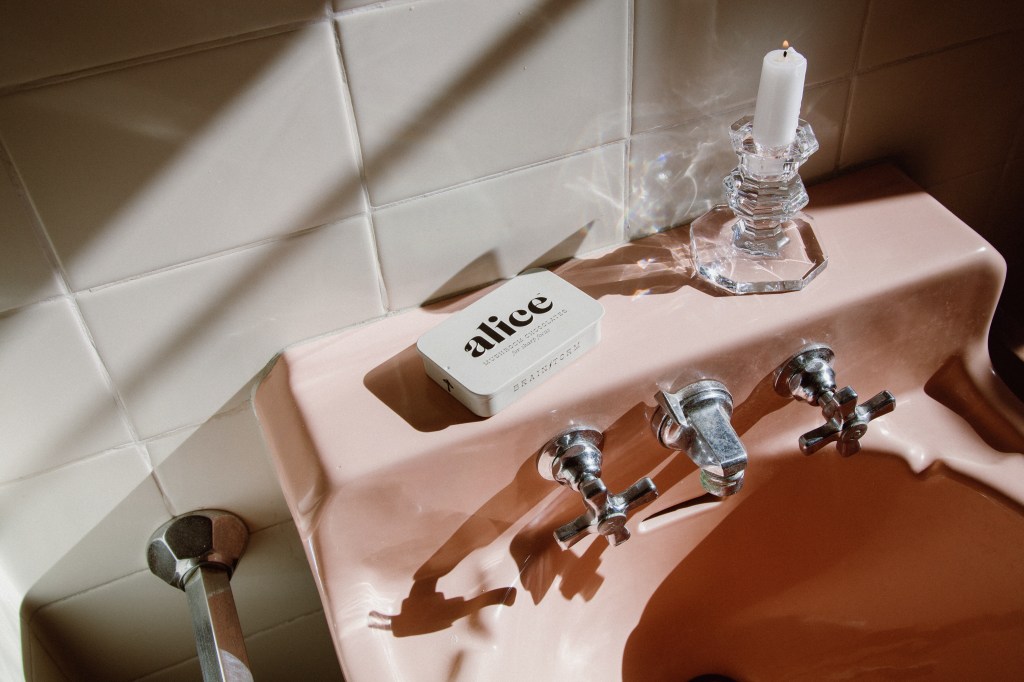
Goodstein: We knew alice had legs basically immediately. Month one gave us a very clear signal that people wanted this, were coming back for it and telling their friends. We did $40,000 our first month and reached six-digit months soon after.
Cruze: After launch, we went full-time pretty immediately. There was no other way we could have kept up — it’s been a rocketship since day one of selling product.
What does growth and revenue look like now?
Goodstein: We’re in a true hyper-growth stage of the business. We closed our Series A and built a real team, growing from a tiny founding duo into a lean team that can scale. Retail has been a major engine for us. We’ve expanded aggressively, tripled our door count, and we’re continuing to build awareness in a way that makes functional mushrooms feel modern, elevated and mainstream.
Collaborations have also been a big part of the strategy. Earlier this past year, we collaborated with the hit HBO show, The Last of Us, which was great organic marketing. This Valentine’s Day, we launched a collaboration with The Joe & The Juice using our Happy Ending chocolate for sexual wellness in a smoothie and coffee drink. It put us in front of new customers in a cultural, lifestyle-forward way, and helped normalize mushrooms as something you can enjoy daily, not something you have to “convince yourself” to take.
Cruze: Growth right now is driven toward national retail expansion, efficient ecommerce strategies and a focus on profitability. We’ve built an amazing foundation, and now it’s time to take it to the moon.
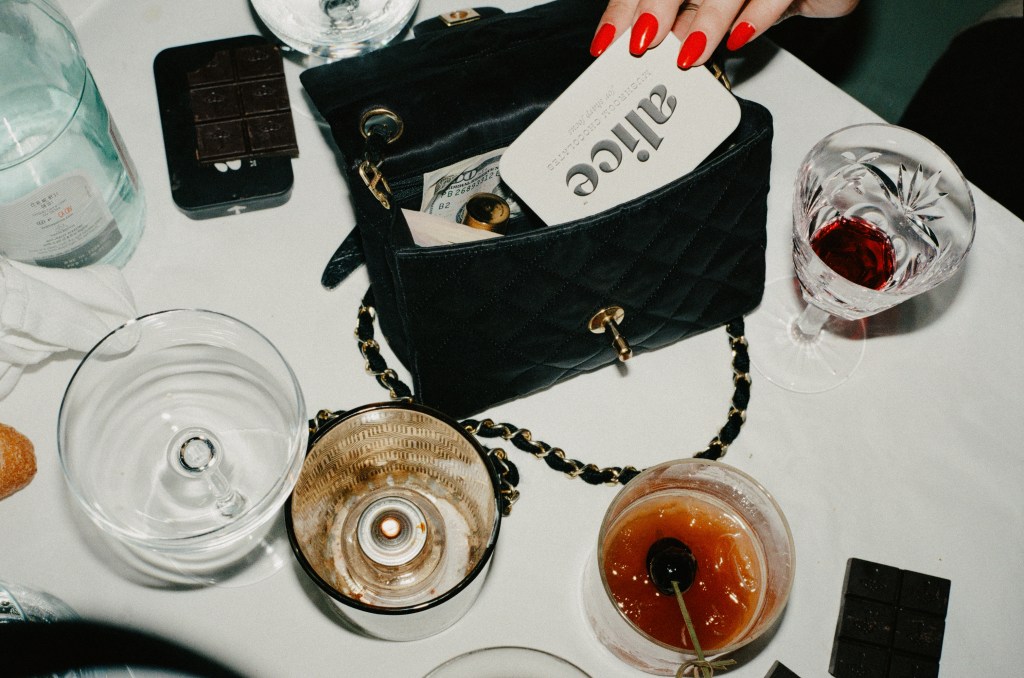
What the co-founders enjoy most about their business
What do you enjoy most about running this business?
Goodstein: I love working beside my co-founder Charlotte. She is smart, funny, entertaining and caring, and has become my anchor in all the craziness. It’s really fun building something that makes people feel something; it’s not just “supplements.” It’s ritual, pleasure, feeling better in your body and your brain. I love turning wellness into something chic, indulgent and actually desirable. And I love that we’re shifting culture around mushrooms, bringing new people into the fold who never would’ve tried them otherwise.
Cruze: Like Lindsay, I love the team aspect. There is something so special about bringing a group of people together who are smart, driven, funny, dedicated and overall exceptional. Being able to surround yourself with those people and provide them with a livelihood around your shared goal is one of the most fulfilling things I do.
The co-founders’ No. 1 pieces of business advice
What is your best piece of specific, actionable business advice?
Goodstein: Don’t stare at the whole mountain. Pick the next step. Then the next. If you want to build something big, deconstruct it down to the foundation: What is step one you can do this week? What is the smallest test that proves demand? What is the simplest version you can ship without compromising your standards?
Also, don’t launch just to launch. People can feel intention. Build something with a real reason behind it. Heart shows up in the details, and the details are what separate the brands that last from the ones that disappear.
Cruze: Understand your strengths and weaknesses and hire or partner with someone who complements them. Don’t force yourself to be every part of the whole or to excel in areas in which you have no interest or skill. That’s the beauty of having a business partner — you can be the yin and yang and create something far more exceptional than you could have alone. If you don’t want a co-founder, think about this as you hire. Diversity of skillsets and personalities is a huge asset.
Key Takeaways
- Goodstein was working in pharmaceutical sales when she got the idea for a functional, tasty side hustle.
- She connected with alice mushrooms co-founder Charlotte Cruze via a pre-seed fundraising round.
- Now, alice mushrooms sees six figures a month as the co-founders plan for ongoing retail expansion and growth.
This Side Hustle Spotlight Q&A features Lindsey Goodstein, 35, of Venice Beach, California and Charlotte Cruze, 33, of Brooklyn, New York. Goodstein and Cruze are the co-founders of alice mushrooms, a business selling functional mushroom chocolates with nootropics and adaptogens for wellness. Responses have been edited for length and clarity.
Sign up for the Money Makers newsletter to get weekly, expert-backed tips to help you earn more money — from real people who founded and scaled successful businesses. Get it in your inbox.
What was your day job or primary occupation when you started your side hustle
Goodstein: I was working in pharmaceutical sales and DJing on the side.