Mark Cuban Says This Is the Biggest Career Blunder You Can Make Right Now
Using AI as a way to avoid doing work could cause your career to stall, Cuban said.
Key Takeaways
- According to investor Mark Cuban, there are two types of AI users: workers who use AI to deepen their knowledge versus those who rely on it to avoid learning.
- Cuban said that using AI just to skip the work, rather than as a learning tool, will leave workers struggling in the long term.
- Other researchers warned that depending on AI to do the thinking can lead to cognitive decline.
Investor Mark Cuban says AI is already changing how people work — and your success will depend on how well you learn to use it.
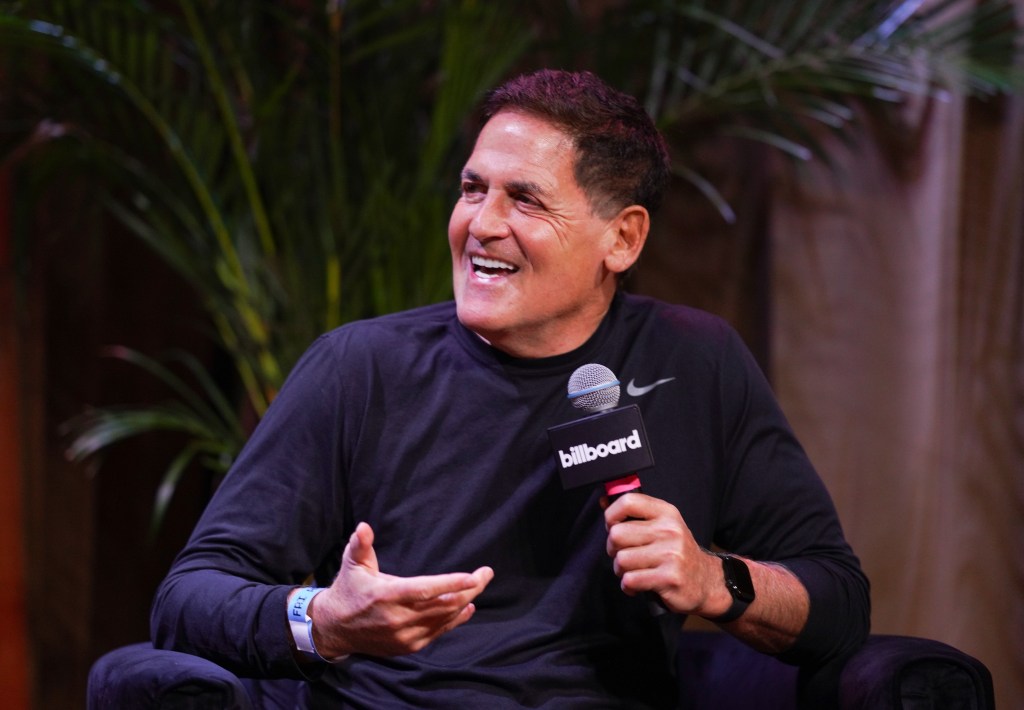
Cuban spoke on the Big Technology Podcast at the Dallas Regional Chamber’s Convergence AI event earlier this week. He told the podcast that the rise of AI is creating a clear divide between workers — those who use it to learn more and those who rely on it to take shortcuts.
“I think right now we’re bifurcating into two types of ways or two types of people that use AI — people who use AI so they don’t have to learn anything and people who use AI so they can learn everything,” Cuban said.
The difference could set one worker’s career apart from another.
“If you’re just using it just so you don’t have to do the work and it’s your drunk intern, you’re going to struggle,” Cuban said. He noted that while AI can act like a nonstop assistant for routine tasks, using it carelessly can hold a person back.
AI could weaken critical thinking, say experts
Cuban’s warning reflects a wider concern among AI experts that relying too heavily on the technology may weaken critical thinking skills. A 2025 study from researchers at Microsoft and Carnegie Mellon University found that people who were confident in AI like ChatGPT used fewer critical thinking skills. They found that AI has a hidden cost: It could lead workers to lose muscle memory for more routine tasks.
“Used improperly, technologies can and do result in the deterioration of cognitive faculties that ought to be preserved,” the researchers wrote in the report.
Another researcher, Vivienne Ming, chief scientist at the research group the Possibility Institute, told Business Insider last month that AI is widening a gap in the workforce between people who use it to enhance their own thinking and those who depend on it to do the thinking for them.
She wanted that this growing reliance on AI could have lasting effects, potentially weakening users’ ability to reason, analyze and solve problems over time and leading to cognitive decline.
Ming drew a parallel to GPS navigation. While it makes daily life more convenient, relying on it too much can gradually weaken mental abilities.
Cuban says people who master using AI will “always” have work.
“If you learn how to use these tools, and you know how to think critically, you’re curious, so you’re always learning, you’re always going to have a job because AI doesn’t know the consequences of its actions,” Cuban said.
Key Takeaways
- According to investor Mark Cuban, there are two types of AI users: workers who use AI to deepen their knowledge versus those who rely on it to avoid learning.
- Cuban said that using AI just to skip the work, rather than as a learning tool, will leave workers struggling in the long term.
- Other researchers warned that depending on AI to do the thinking can lead to cognitive decline.
Investor Mark Cuban says AI is already changing how people work — and your success will depend on how well you learn to use it.
Cuban spoke on the Big Technology Podcast at the Dallas Regional Chamber’s Convergence AI event earlier this week. He told the podcast that the rise of AI is creating a clear divide between workers — those who use it to learn more and those who rely on it to take shortcuts.
“I think right now we’re bifurcating into two types of ways or two types of people that use AI — people who use AI so they don’t have to learn anything and people who use AI so they can learn everything,” Cuban said.