When Health Gurus Fail, How Do You Know Who to Trust?
At a time of fallen gurus and growing distrust in wellness. Health is wealth, and that wealth is currently at risk.
Opinions expressed by Entrepreneur contributors are their own.
Key Takeaways
- Trust in wellness should focus on evidence and results, not personalities.
- Meaningful health progress comes from personal responsibility and self-informed decisions.
The wellness and longevity industry has always run on hope.
Hope for more energy.
Hope for less pain.
Hope for a longer, healthier life.
But where there is hope, there is also opportunity. And with opportunity comes responsibility. The wellness and longevity space is filled with solutions that can truly help people optimize their health. It is also filled with products, protocols and personalities that are more about marketing than meaningful outcomes.
For years, the industry has struggled with exaggerated claims, manipulated science and solutions that are safe but not always effective. Some individuals have built massive platforms by capitalizing on fear and desperation instead of delivering real, evidence-based results.
When people are sick, inflamed, tired or struggling with chronic conditions, they are willing to believe almost anything. They will follow anyone who promises relief, energy, or a second chance at health. That is how gurus are created.
And that is why moments like this matter.
We are now living through a time when some of the most trusted figures in wellness and longevity are being scrutinized. People who were once respected as leaders are facing public backlash and professional consequences. For many followers, this has shaken their faith — not just in those individuals, but in the industry as a whole.
Recent document disclosures related to Jeffrey Epstein have placed several prominent figures under renewed scrutiny. Among those named were longevity physician Dr. Peter Attia and wellness leader Deepak Chopra. While being named in the files does not, by itself, prove wrongdoing, the revelations and surrounding media coverage have contributed to a broader erosion of trust among followers and professionals alike.
In Attia’s case, emails containing crude exchanges became public, prompting a formal apology and professional fallout, including stepping down from at least one corporate role. The situation created a ripple effect across the longevity community, with many followers expressing disappointment and losing faith in someone they once viewed as a trusted authority.
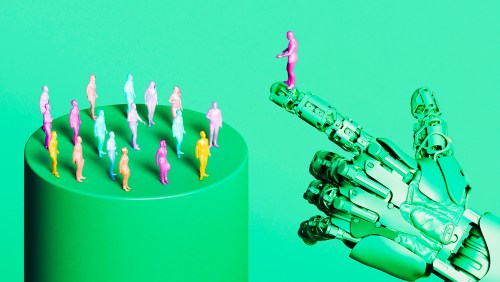
This is the reality of personality-driven industries. One bad apple can spoil the bunch. When trust is built around individuals instead of principles, a single controversy can shake confidence across an entire movement.
And that is where we are now.
The biohacking and longevity space has tremendous momentum. There are real innovations, real technologies, and real practitioners helping people improve their health every day. But this moment of distrust is a reminder that we cannot put any guru, doctor, influencer, or entrepreneur on a pedestal.
Sign up for How Success Happens and learn from well-known business leaders and celebrities, uncovering the shifts, strategies and lessons that powered their rise. Get it in your inbox.
Because the truth is simple:
You never fully know who you are following.
No matter how intelligent they seem.
No matter how many books they sell.
No matter how many followers they have.
They are still human. And humans are flawed.
This does not mean the industry is broken. It means the model needs to change.
As the founder of the Biohacking Index, and the publisher of monthly Wellness Index Reports, I see thousands of low-profile practitioners doing real, transformative work every day, far from the spotlight of podcasts, stages, and social media. Many of them are not building personal brands or chasing influence. They are focused on results.
Take Ivy League–trained psychologist Victoria Kar, for example. While the wellness world often elevates high-visibility personalities, clinicians like Kar are working quietly with patients and clients to address the root causes of suffering — breaking down generational trauma, conditioned behavioral patterns, and the emotional imprints that drive chronic stress and illness. Even when recognition or endorsements come, the work itself remains grounded in consistent, evidence-based practice and real human transformation, one person at a time.
This is an important reminder: the most meaningful progress in health does not always come from the loudest voices. It often comes from practitioners who are too busy helping people to build a following.
Sign up for the Money Makers newsletter to get weekly, expert-backed tips to help you earn more money — from real people who founded and scaled successful businesses. Get it in your inbox.
The future of wellness is not about gurus. It is about personal discovery, data-driven decisions and individual responsibility. It is about becoming an active participant in your own health instead of a passive follower of someone else’s protocol.
So the most important shift happening right now is this:
People are being forced to think for themselves.
Not because they want to, but because they have to.
If the gurus fall, the only person left to trust is yourself.
That does not mean ignoring doctors, experts, or new technologies. It means using them as tools, not as idols. It means asking better questions, doing your own research, and paying attention to how your body actually responds.
At the end of the day, no one is more responsible for your health than you are.
Not a guru.
Not a doctor.
Not an influencer.
Not an entrepreneur.
Only you.
Because health is our true wealth. Without it, we cannot run companies. We cannot lead teams. We cannot care for our families. We cannot live out our purpose as entrepreneurs.
And with great opportunity comes great responsibility.
When it comes to your health, that responsibility is 100% yours.
Key Takeaways
- Trust in wellness should focus on evidence and results, not personalities.
- Meaningful health progress comes from personal responsibility and self-informed decisions.
The wellness and longevity industry has always run on hope.
Hope for more energy.
Hope for less pain.
Hope for a longer, healthier life.
But where there is hope, there is also opportunity. And with opportunity comes responsibility. The wellness and longevity space is filled with solutions that can truly help people optimize their health. It is also filled with products, protocols and personalities that are more about marketing than meaningful outcomes.