These Friends Turned Heartbreak Into a Side Hustle That Saw $250,000 in Year 1 — Now It Does Over $10 Million in Annual Sales
Tori Robinson and Leah O’Malley came up with their idea in a New York City fire station on St. Patrick’s Day.
Key Takeaways
- Robinson and O’Malley’s u0022Boys Lieu0022 phrase u0022turned pain into power,u0022 the founders say.
- Boys Lie secured a $250,000 loan from family and friends to start building the business.
- A breakout moment with Gigi Hadid u0022changed everythingu0022 and helped the brand hit $5 million in annual sales.
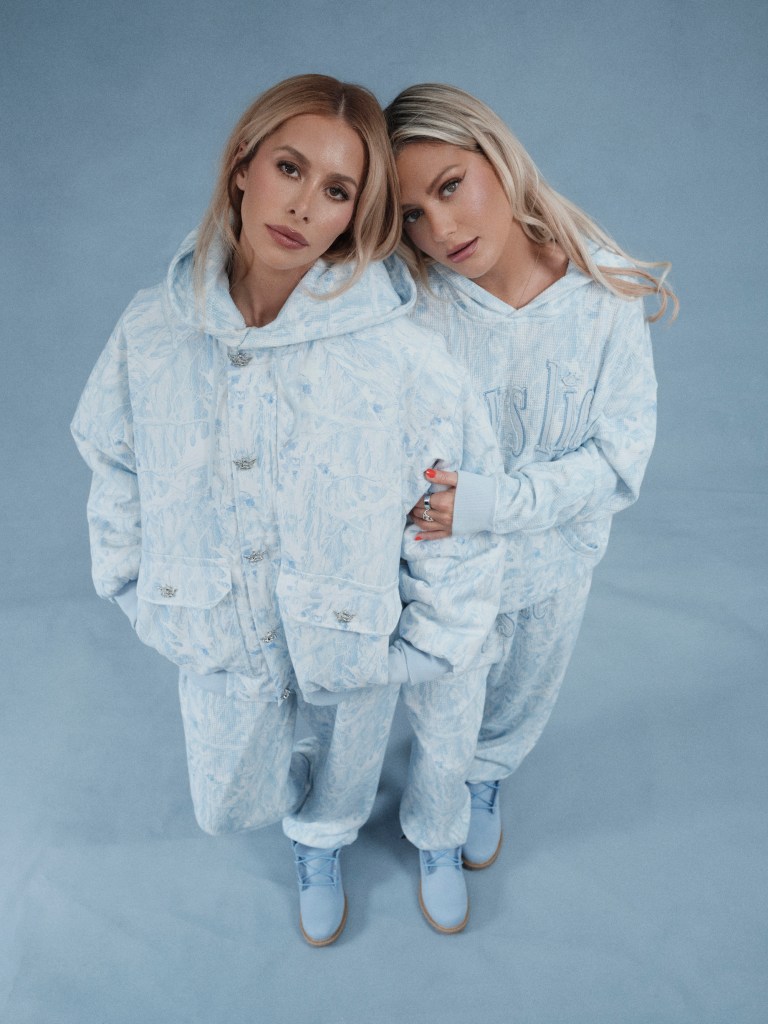
This Side Hustle Spotlight Q&A features Tori Robinson, 31, and Leah O’Malley, 31, the Los Angeles, California-based entrepreneurs behind cult-favorite clothing and lifestyle brand Boys Lie. Responses have been edited for length and clarity.
Want to read more stories like this? Subscribe to Money Makers, our free newsletter packed with creative side hustle ideas and successful strategies. Sign up here.
What was your day job or primary occupation when you started your side hustle?
Robinson: When we were in the early phases of getting Boys Lie off the ground, we were both working full-time as sales representatives for a private-label makeup manufacturer. We were helping other entrepreneurs with their cosmetic lines while simultaneously working on ours.
Related: 8 Creative Side Hustles We Discovered in 2025 — Which One Can Make You Money in 2026?
When did you start your side hustle, and where did you find the inspiration for it?
O’Malley: The idea for Boys Lie started in 2017 in the most random place imaginable, a fire station in NYC on St. Patrick’s Day. We were both a little drunk and very heartbroken. During that time, the phrase “Boys Lie” became our way of turning our pain into power. What started as a shared mantra as a way to turn heartbreak into something empowering snowballed into a brand. We’ve created a community of people learning how to heal while wearing their hearts on their sleeves.

What were some of the first steps you took to get your side hustle off the ground? How much money/investment did it take to launch?
Robinson: We put together a basic business plan and secured a $250,000 loan from friends and family that allowed us to start building our business. Before we even had a product available for purchase, we launched an Instagram account that was basically a mood board. It was filled with heartbreak and self-empowerment memes that spoke directly to millennials and Gen Z. At that point, no one knew what Boys Lie was or what it was going to become, but the community grew quickly. By the time we officially launched the product, we already had a built-in audience who felt emotionally connected to the brand. From there, we built our website, invested in inventory and reinvested every dollar we made back into the business.
The first couple of years were insanity, and sometimes I wish a camera crew had been filming us during that initial startup phase because it would have made for the best reality television. There were a lot of late nights, tears, wins, mistakes and momentum. It set the tone for how we would grow. We also leaned into a DTC drop model with smaller, limited-edition collections that sold out quickly. This sense of urgency created hype and exclusivity, helping us scale demand far beyond what we could have imagined in those early days.
Are there any free or paid resources that have been especially helpful for you in starting and running this business?
Robinson: On the paid side, we relied on QuickBooks, Shopify, NuOrder and G-Suite. These platforms helped us manage finances, wholesale and day-to-day operations, but honestly, YouTube is the best free resource. We didn’t go to school for the industry we’re in now, so I used YouTube to learn how to design in Adobe Illustrator and Adobe Photoshop, and that was before TikTok existed. With so many social platforms at your fingertips, it’s easy and equally important to absorb as much insight as you can, even just by watching interviews, following founders you respect and studying people whose paths align with what you hope to build. Seek advice from those who are in your specific industry, not just anyone successful. Use what resonates, discard what doesn’t and create your own blueprint and rulebook along the way.
Just note, no matter what you use to guide you, nothing ever goes as planned, and the best way to decide on anything is to trust your gut. Using a third-party recruiter to help us find our COO was one of the most valuable paid resources we have ever used. Our COO transformed how we operate. As the business grows, investing in people is just as important as investing in tools.

If you could go back in your business journey and change one process or approach, what would it be, and how do you wish you’d done it differently?
Robinson: Unfortunately, I think Leah and I have grown jaded from how many people approach us, offering their “help.” One of the hardest and most expensive lessons we’ve learned is trusting people who didn’t have our best interests, or our company’s, at heart. Too often, we encountered individuals whose intentions were rooted more in self-interested agendas than in helping us succeed. I used to only want to see the best in people, and I think it’s something I am trying to reteach myself now. However, in the beginning, we could have saved time, money and probably scaled more quickly had we had a better awareness of what drives people and what their intentions really were.
I would also say document every process from day one — no business is ever too small for standard operating procedures. We scaled quickly, and we should have systematized things earlier than we did. Being organized is the most important thing. Having structure is what keeps you sane.
When it comes to this specific business, what is something you’ve found particularly challenging and/or surprising that people who get into this type of work should be prepared for, but likely aren’t?
O’Malley: People underestimate just how deep in the weeds you stay (even as an owner or a founder). From the outside, it might look glamorous, but behind the scenes, it’s operationally intense. Retail never sleeps: It’s every day, nonstop, even during the holidays. There are so many moving parts you have to manage, from lead times to supply chain hiccups, sampling, production delays, shipping, inventory, forecasting and cash flow. The list goes on.
You’re constantly solving problems you didn’t know existed the day before. Even the way content is digested today is a lot different. People absorb it much faster, which sometimes works as a benefit and sometimes works against you — especially when selling a product. It looks great on the outside, but realistically, you’re in the trenches fighting for your life, and the hours never stop.
How long did it take you to see consistent monthly revenue? How much did the side hustle earn?
O’Malley: It definitely wasn’t overnight for us. Coming from Wayne, Pennsylvania, the idea that we would have any influence on the Los Angeles area was equal parts delusion and blind belief. We launched with makeup in 2018, and we genuinely thought we were going to be the next Kylie Cosmetics. We almost lost our entire business that year, ending it with around $250,000 in sales. That was a huge gut punch, but also a wake-up call.
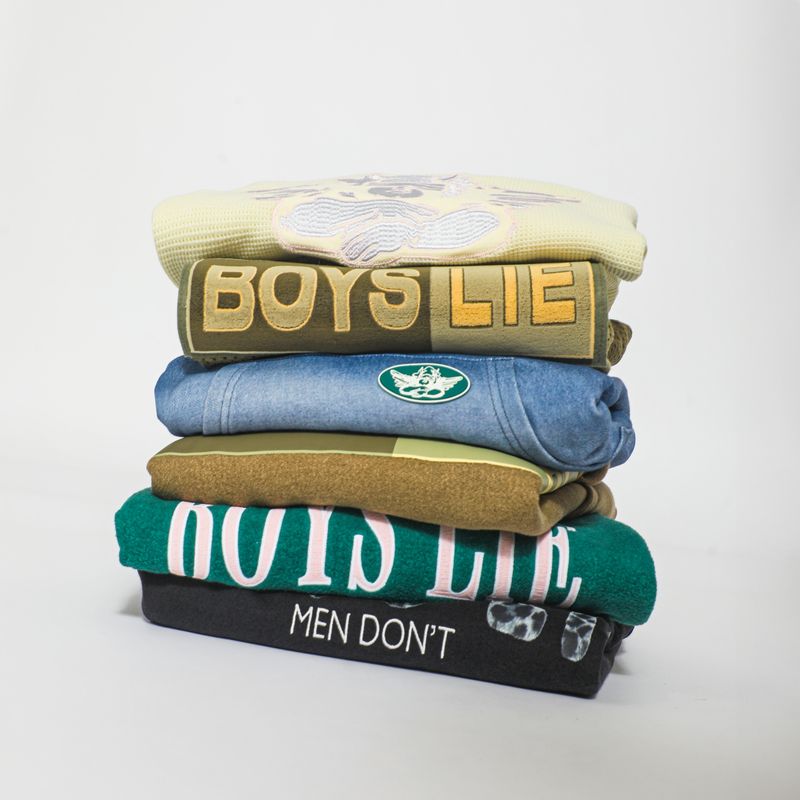
Most of that revenue came from two pieces of “merch” we sold alongside our makeup. It became clear that our business in cosmetics wasn’t working, and we had to pivot fast. So we did. We restructured everything, shifting from makeup to clothing, and started gifting as much as we could just to get the brand name out there. The turning point came when Gigi Hadid stepped out head to toe in Boys Lie during her breakup with Tyler Cameron. That single moment of organic visibility changed everything, and we went from $250,000 in year one to $5 million in sales in year two.
What does growth and revenue look like now?
O’Malley: Today, Boys Lie is a multi-million-dollar brand with national retail partners, strong DTC sales, celebrity visibility and expanding media presence with our podcast. We’ve already exceeded our yearly sales goal of $10 million, so we’re incredibly excited about the growth transition and scaling. We still have a long way to go and a lot to learn, but most importantly, the business supports itself, and we are making money. We didn’t raise capital and don’t plan on doing that. Every dollar we make, we reinvest into the business.
Related: She Built Airplane Wings for a Living — Now Her Surprising Side Hustle Brings In $50,000 a Month
What is your best piece of specific, actionable business advice?
O’Malley: Don’t make the same mistakes twice, and be prepared to fail. Do not let failing take the wind out of your sails because we fail every day. One win can mean the world, and one person believing in you can change the world’s point of view. Build demand, start small. Reinvest into what’s working. Your business can only grow as far as the person steering it, so learn to walk away from what drains you and lean into what expands you. There is, fortunately and unfortunately, an audience for everything. No one will root for you in the beginning, but with any success you have, your biggest haters will become your biggest fans.
Key Takeaways
- Robinson and O’Malley’s u0022Boys Lieu0022 phrase u0022turned pain into power,u0022 the founders say.
- Boys Lie secured a $250,000 loan from family and friends to start building the business.
- A breakout moment with Gigi Hadid u0022changed everythingu0022 and helped the brand hit $5 million in annual sales.
This Side Hustle Spotlight Q&A features Tori Robinson, 31, and Leah O’Malley, 31, the Los Angeles, California-based entrepreneurs behind cult-favorite clothing and lifestyle brand Boys Lie. Responses have been edited for length and clarity.
Want to read more stories like this? Subscribe to Money Makers, our free newsletter packed with creative side hustle ideas and successful strategies. Sign up here.
What was your day job or primary occupation when you started your side hustle?
Robinson: When we were in the early phases of getting Boys Lie off the ground, we were both working full-time as sales representatives for a private-label makeup manufacturer. We were helping other entrepreneurs with their cosmetic lines while simultaneously working on ours.