Gen Z Loves This Old-School Way of Shopping — But With a Twist: ‘Lines Out the Door’
Successful brands are meeting their young consumers where they want to be.
Key Takeaways
- Gen Zers are embracing in-person experiences — and the way they shop is no exception.
- Experiential retail pairs memorable, engaging in-store interaction with Instagrammable design.
- Businesses that seize the opportunity, such as Marine Layer and Abbode, have a lot to gain.
The endless scroll might be losing its luster — especially among younger generations.
Gen Zers are more likely than older generations to designate screen-free time in their day, according to new research from Talker. They’re also embracing “granny core” hobbies, like knitting, to unwind from their devices, NPR reported.
What’s more, in an era where every product imaginable is just a swipe or click away, young consumers have adopted some old-school shopping habits and preferences, too.
Over seventy percent of 18 to 27 year-olds reported shopping in-store at least once a week compared to 65% of Baby Boomers, according to recent research from financial technology platform Adyen. Additionally, 57% of Gen Z considers in-person shopping an experience, compared to just 35% of Baby Boomers, per the survey.
So, after more than a decade chasing digital growth, savvy businesses are leaning into the old-fashioned consumption mode. But some of the most successful ones are adding a contemporary twist on the classic in-person shopping experience.
The power of experiential retail
Enter experiential retail, which typically strives to put a memorable — and Instagrammable — spin on in-person shopping.
Often featuring a customizable component, such as embroidery or engraving, in an immersive, design-forward setting, experiential retail plays on the (admittedly contradictory) desires for a real-life experience away from the screen, while creating an aesthetic cute enough to share on social media.
As far as brand awareness and customer loyalty, effective in-store activations can become just as important as the products purchased, if not more so.
Marine Layer’s Custom Club and Patch Bar pop-ups
Mike Natenshon and Adam Lynch, co-founders of San Francisco, California-based apparel brand Marine Layer, recently witnessed the power of strategic experiential retail firsthand.
Founded in 2009 — when Natenshon couldn’t find a tee-shirt that lived up to his standards and started a business to make one — Marine Layer is no stranger to success within the brick-and-mortar landscape. The company boasts more than 50 store locations across the U.S. and generated $200 million in annual revenue last year.
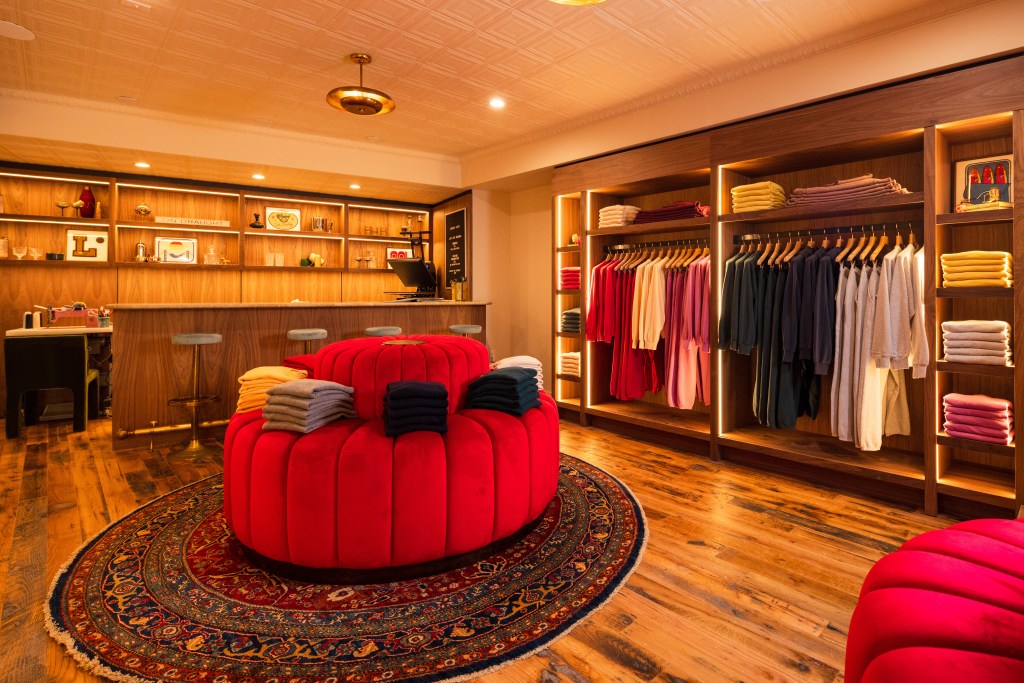
However, last summer, the co-founders set out to create a different kind of holiday shopping experience. “We wanted to give people the opportunity to express their personality a little bit more,” Natenshon says. “We wanted to have a big color expression and an experience that’s temporary — something really special that people can go and check out.”
Fewer items, more personalization
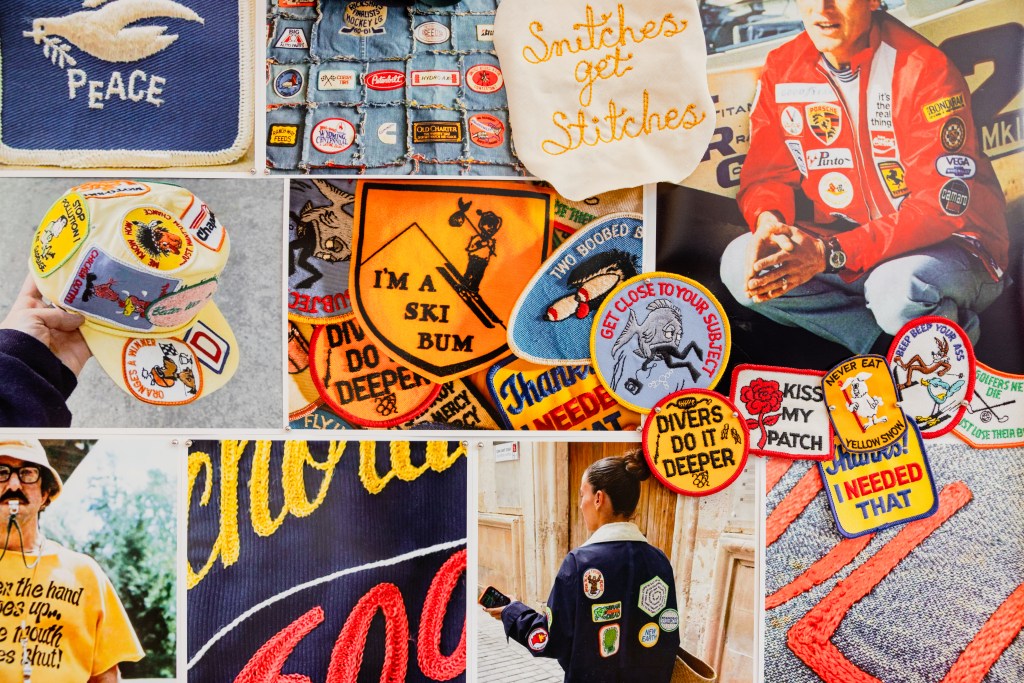
To that end, Marine Layer debuted two experiential pop-ups, allowing customers to select from a smaller collection of items for personalization with embroidery and patches, in October 2025.
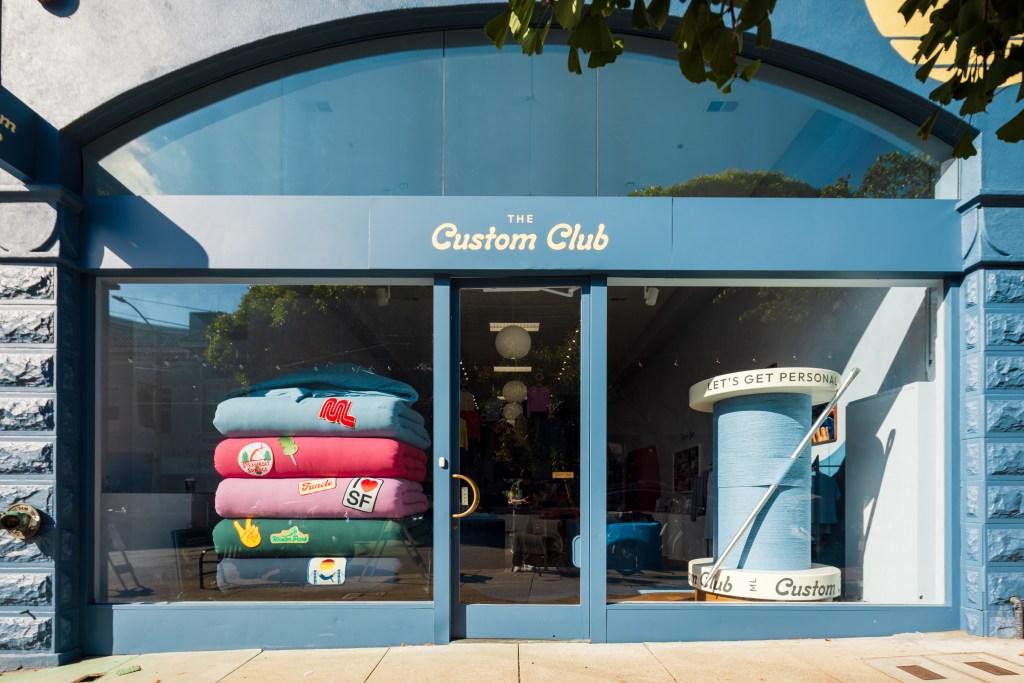
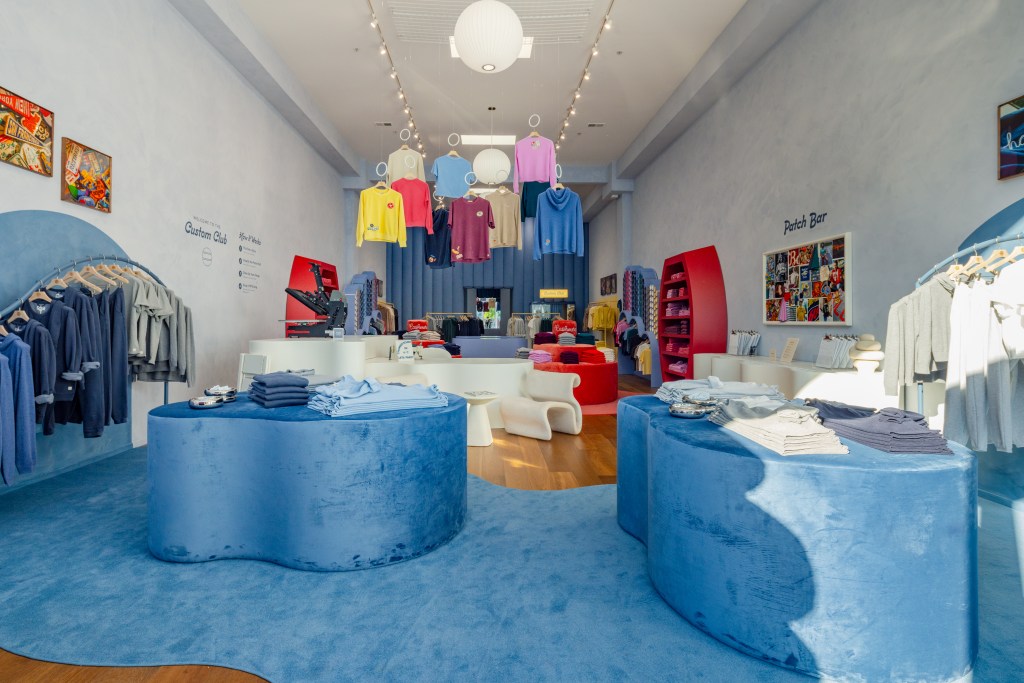
On Fillmore Street in San Francisco, The Custom Club embraced a Californian aesthetic with rounded edges and bright walls. The Patch Bar, a 1930s speakeasy reimagined “through the lens of 1970s nostalgia,” opened beneath the brand’s Nolita store in New York City.
“ The team here [at Custom Club] and in Patch Bar had to stand up a completely crisp, brand-new operation,” Lynch says. “Everything is different from a standard Marine Layer store. [Down to] the way that people interact with the patches. We had to change the [customization] forms three times and figure out how that whole customer experience worked.”
Social media traction and “lines out the door”
Marine Layer’s efforts paid off. Demand at both experiential locations started strong — and only grew stronger.
The Custom Club became one of Marine Layer’s busiest stores, Natenshon says, recalling significant traction on social media and “lines out the door.” Sales were so impressive that the co-founders extended the pop-ups, originally slated to run through the holiday season, into early 2026, gauging the potential of bringing the concept to other stores.
“ Now we’re taking those learnings and having more fun with it,” Natenshon says, “and coming up with different expressions each season. You never do something totally different perfectly right out of the gates. So this is the year we’re thinking about, How do we refine it, take something that’s good and make it really great.”
Abbode’s Nolita storefront offers embroidered customization
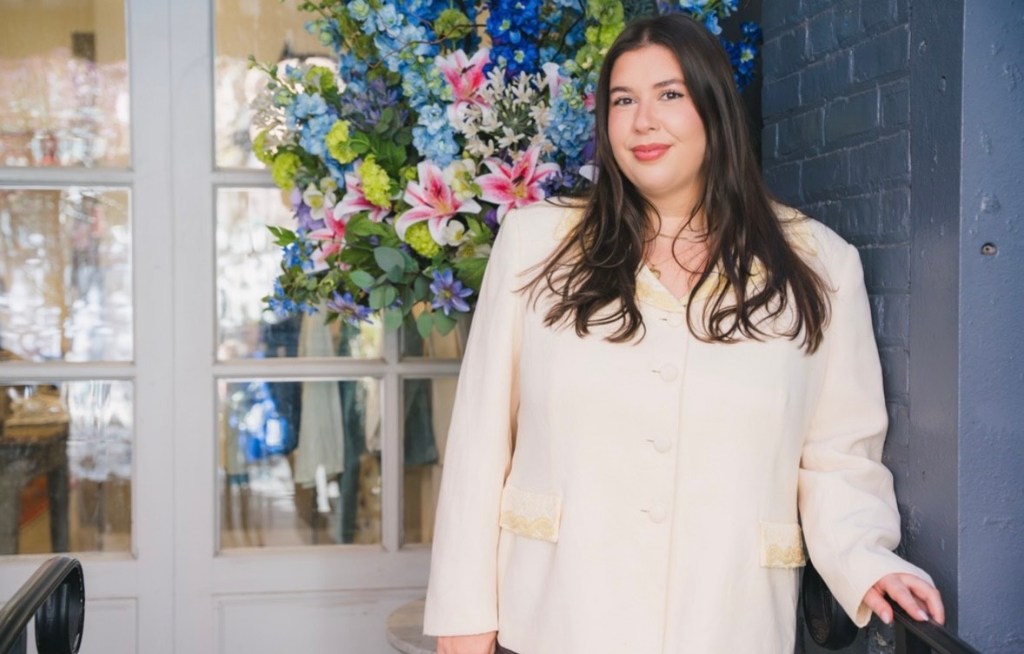
Abigail Price, founder of New York City-based embroidery shop Abbode (co-owned by Daniel Kwak), is also harnessing the power of experiential retail.
In Price’s case, however, her business’s in-person, customization component didn’t grow out of a well-known brand — it helped forge one.
Price opened a home decor store, selling dried florals and vintage pieces, in New York City in May 2021, when rents were low during the pandemic. In early 2022, Price bought a $15,000 embroidery machine “on a whim.” The machine sat in the basement for about a year before Price hired someone to train her staff how to use it. In March 2023, Price posted a TikTok advertising a complimentary embroidery with every purchase. That’s when things took off.
“ People were responding, and because the vintage wasn’t working as much as it was in the beginning, we were like, Okay, let’s just go in this direction,” Price recalls. “So it really was like a freak chance.”
Personalization continues to pick up momentum
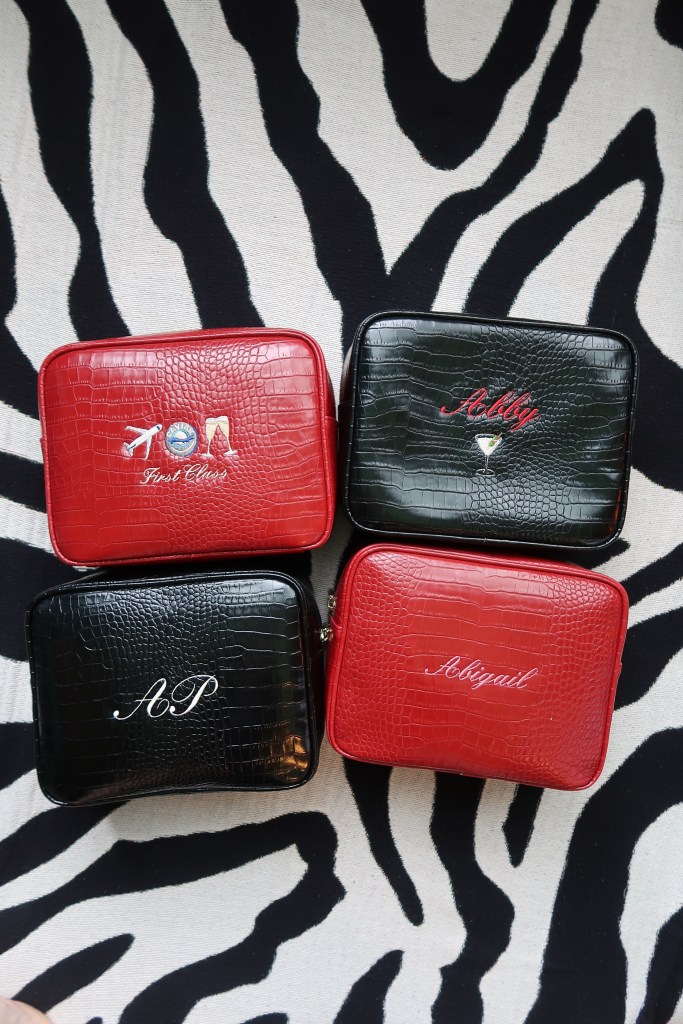
Price notes that anything tactile (that can’t be done by AI) is capturing attention now, as people respond to the modern spin on nostalgic items. For instance, customers often tell her about growing up with L.L. Bean backpacks stitched with their initials, or how their grandmother would embroider items for them.
“ Personalization [also feels] bigger than it’s ever been because people want to differentiate themselves,” Price says, “and it’s so hard to do that now with trend cycles and fast fashion. All of our pieces are pretty classic. It’s what you put on top of them, maybe, that’s the trendy thing, or maybe it’s something that really speaks to you — that makes it last forever.”
The complex but growing business of customization
Abbode, which closed out 2025 with $4 million in annual sales, has gone viral on social media time and again, creating a powerful snowball effect, Price says. The more people who post their in-store experience, the more customers, inquiries and partnerships result.
The business has also received plenty of requests for collaborations and pop-ups, Price notes, partnering with major brands like Charlotte Tilbury, Ritz Carlton and L.L. Bean.
“The goal of this business is to bring customization to as many people that want it,” Price says. “But doing that has been really challenging. There’s a reason so many brands don’t offer customization like we do — because of how complex it is.”
Even so, Price is confident the model will continue to grow. “I know without a doubt that we will figure it out,” she says. “It’s just going to take a little bit of time.”
As more consumers gravitate toward experiences that feel bespoke, hands-on and worth leaving the house for, brands like Marine Layer and Abbode are proving that retail’s next chapter may look a lot like its past — but with a personalized touch.
Key Takeaways
- Gen Zers are embracing in-person experiences — and the way they shop is no exception.
- Experiential retail pairs memorable, engaging in-store interaction with Instagrammable design.
- Businesses that seize the opportunity, such as Marine Layer and Abbode, have a lot to gain.
The endless scroll might be losing its luster — especially among younger generations.
Gen Zers are more likely than older generations to designate screen-free time in their day, according to new research from Talker. They’re also embracing “granny core” hobbies, like knitting, to unwind from their devices, NPR reported.
What’s more, in an era where every product imaginable is just a swipe or click away, young consumers have adopted some old-school shopping habits and preferences, too.