I’m a Business Consultant Who’s Seen the Best Advice Fail Companies — Here’s What Goes Wrong
After consulting with small businesses for years, I realized the biggest reason companies fail isn’t bad advice — it’s that most owners never fully commit to executing the changes needed to grow.
Opinions expressed by Entrepreneur contributors are their own.
Key Takeaways
- Most companies don’t fail because of bad advice — they fail because leaders don’t consistently execute the good advice they already have.
- Outside consultants can provide clarity and direction, but real change only happens when owners take full ownership of implementation and follow-through.
Before Gordon Ramsay became a world-famous chef, he hosted a TV show in the UK called Ramsay’s Kitchen Nightmares. The premise was simple: Ramsay, a successful restaurateur, would spend time with struggling restaurant owners and try to coach them back to profitability. The show ran for 10 years before eventually being adapted in the U.S. for several more.
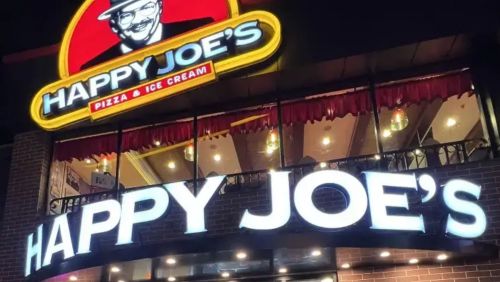
In total, Ramsay attempted to help 105 restaurants. I use the word “attempted” generously. Want to guess how many are still in business? According to multiple reports, roughly 76% of the restaurants featured across both the British and American versions of the show eventually closed. In fact, of the 22 restaurants featured in the first two American seasons alone, only two reportedly remained open long term. That failure rate says less about Ramsay and more about the reality of consulting.
You would think that with Gordon Ramsay in your corner, turning around a restaurant would be inevitable. That is what great consultants are supposed to do, right? Help businesses improve operations, increase profits and succeed.
But if you actually watch the show, one thing becomes obvious: Ramsay’s advice was usually sound. Setting aside the theatrics, he identified real problems and offered practical solutions. The issue was rarely the advice itself. The issue was whether the owners were willing — or able — to implement it consistently after he left. That reality mirrors my own experience.
Over the past few years, I’ve worked as a consultant with small businesses across industries, including manufacturing, construction, distribution and services. I spend time on-site meeting with owners and key employees, learning how the business operates and identifying opportunities to improve profitability and efficiency.
From there, I do two things. First, I deliver written operational and strategic recommendations based on patterns and lessons I’ve learned from successful business owners over the years. Then, over the following six months or so, I help implement those recommendations. We assign responsibilities, track progress, hold meetings and troubleshoot obstacles together. The results? Better than Ramsay’s so far, but still mixed.
Some companies have made meaningful improvements. Others have completely disappeared after our initial engagement. Most land somewhere in the middle — implementing some ideas while largely continuing to operate the same way they always have. Why? Because, like Ramsay probably discovered, most business owners fall into one of three categories.
The first group fully embraces the process. They call, email, ask questions and push their teams to execute. They treat the recommendations like a roadmap and work through them methodically. They want to maximize the value of the engagement and are genuinely committed to change. These clients tend to see the best results.
The second group — probably the largest — implements some recommendations but not all. They stay engaged, but only partially. They make incremental improvements without fundamentally changing how they operate. Usually, they are distracted by day-to-day fires and competing priorities.
Then there is the final group. After the initial meetings, communication fades. Emails go unanswered. Momentum disappears. They become consumed by running the business instead of improving it. Many eventually revert to the same habits and systems that caused problems in the first place.
Some of them probably believe the consulting engagement was a waste of time and money. In truth, they may be right — because no consultant can create change for an owner who is unwilling to drive it themselves. That is the uncomfortable truth about consulting: advice alone does not transform a business. Execution does.
Some owners are looking for validation more than change. Others only want advice that confirms what they already believe. Some genuinely want help but lack the focus, discipline or organizational structure to follow through. A consultant can provide ideas, accountability and direction. But no outsider can want success more than the owner does.
So if you are thinking about hiring a consultant, coach, mentor or advisor, my advice is simple: either fully commit or do not do it at all. Make the time. Stay engaged. Execute consistently. Measure results. Adjust when necessary. Hold yourself accountable and get the full value from the relationship.
Gordon Ramsay is not a magician. Neither am I. No meaningful change happens unless the business owner is willing to make it happen.
Key Takeaways
- Most companies don’t fail because of bad advice — they fail because leaders don’t consistently execute the good advice they already have.
- Outside consultants can provide clarity and direction, but real change only happens when owners take full ownership of implementation and follow-through.
Before Gordon Ramsay became a world-famous chef, he hosted a TV show in the UK called Ramsay’s Kitchen Nightmares. The premise was simple: Ramsay, a successful restaurateur, would spend time with struggling restaurant owners and try to coach them back to profitability. The show ran for 10 years before eventually being adapted in the U.S. for several more.
In total, Ramsay attempted to help 105 restaurants. I use the word “attempted” generously. Want to guess how many are still in business? According to multiple reports, roughly 76% of the restaurants featured across both the British and American versions of the show eventually closed. In fact, of the 22 restaurants featured in the first two American seasons alone, only two reportedly remained open long term. That failure rate says less about Ramsay and more about the reality of consulting.
You would think that with Gordon Ramsay in your corner, turning around a restaurant would be inevitable. That is what great consultants are supposed to do, right? Help businesses improve operations, increase profits and succeed.