From Celebrity Investors to AI That Cuts Labor Costs by 90% — How 5 Brands Made Massive Leaps
What drove explosive franchise growth in 2025? Here are the five different growth strategies that helped these franchises rocket up in the Franchise 500 rankings.
This story appears in the January 2026 issue of Entrepreneur. Subscribe »
To view our entire 2026 Franchise 500 list, including category rankings, click HERE.
What’s turbocharging franchise growth in 2025? To find the answer, just look at these five brands — which all made major leaps in this year’s Franchise 500 ranking.
Their growth levers were all different. A tanning salon used automation to drastically reduce labor costs. A home painting company implemented a new management training program, which improved location performance. A niche fried chicken brand combined big-shot investors and experienced franchisees — and it was a recipe for virality. And more.
We broke down exactly what these five brands did to grow so much in 2025—and how any franchise can follow in 2026.
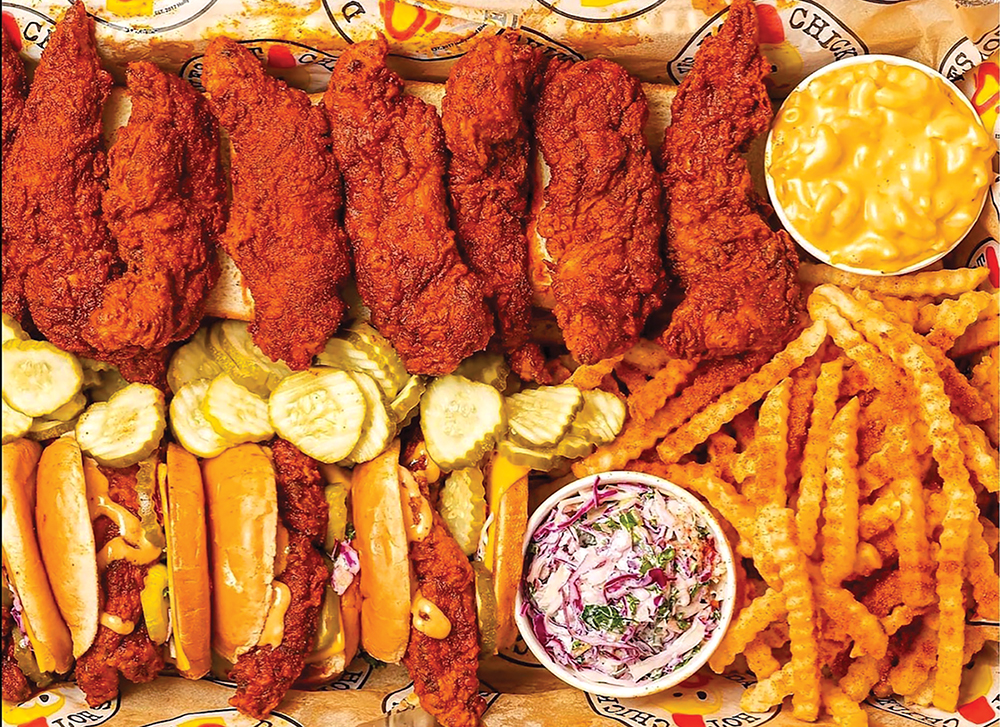
Dave’s Hot Chicken
Last year ranked at No. 453, this year jumped to No. 245
Dave’s Hot Chicken is a very modern success story. It involves a food blogger, viral TikTok fans, a famous rapper, a private equity investor, and a savvy multi-unit strategy.
The franchise, which makes “Nashville-style” hot chicken (a flavor like buffalo or teriyaki), started franchising in 2019. It added 111 units in the past year, with growth of 252 units over three years. Even for Dave’s president and COO Jim Bitticks, this level of success is “wild, unexpected, and crazy.”
Dave’s got its start in 2017, with four guys who had a deep fryer in a Los Angeles parking lot. On their eighth day, a local food blogger posted about them. “When they got to the parking lot that night around 5:15, they had a line of about 100 people wrapped around the block, waiting to try the chicken,” Bitticks says.
Related: Making Your Community The Secret Weapon in Rapid Franchise Expansion
Since then, Dave’s has grown its Instagram audience to more than 2 million, with another 4.3 million on TikTok. Its following is nationwide, with fans who help to power new location openings. “In Dallas, we had lines 50 cars deep,” Bitticks says.
They’ve also had luck with celebrities, including Drake.
The rapper invested after Dave’s catered a party for him.
In June 2025, Roark Capital bought a majority stake in Dave’s, valuing the company at around $1 billion. Dave’s now has franchises in 49 states (all but Hawaii). The current focus is on international growth as well as nontraditional locations such as airports, college campuses, and mall food-courts.
To ensure consistent quality, Dave’s relies on consumer online ratings as well as “mystery” customers. “We pay a company that sends people in and reports out on how the restaurant is doing,” he says. “Guest sentiment is a subjective rating. You might have an affinity for really clean bathrooms, and I might have an affinity for really great service, and that affects how we rate it. The mystery shopper is an objective standard: How many napkins did you get? How hot was the chicken? How long did it take to get the food? Did they say thank you?”
There’s also a video mystery shopper, he says: “They go into a restaurant and record the visit on a hidden camera, and that gets sent to the franchise owner and the management team to see how the restaurant actually performs.”
Aside from all the splashy aspects of Dave’s strategy, here’s one that’s time-tested in the industry: “You cannot be a franchisee at Dave’s Hot Chicken if you haven’t been a franchisee before,” says Bitticks. Most of their franchisees are multi-unit, multi-brand franchise owners. Some have 20 locations apiece, and the brand’s average unit volume is more than $3 million.
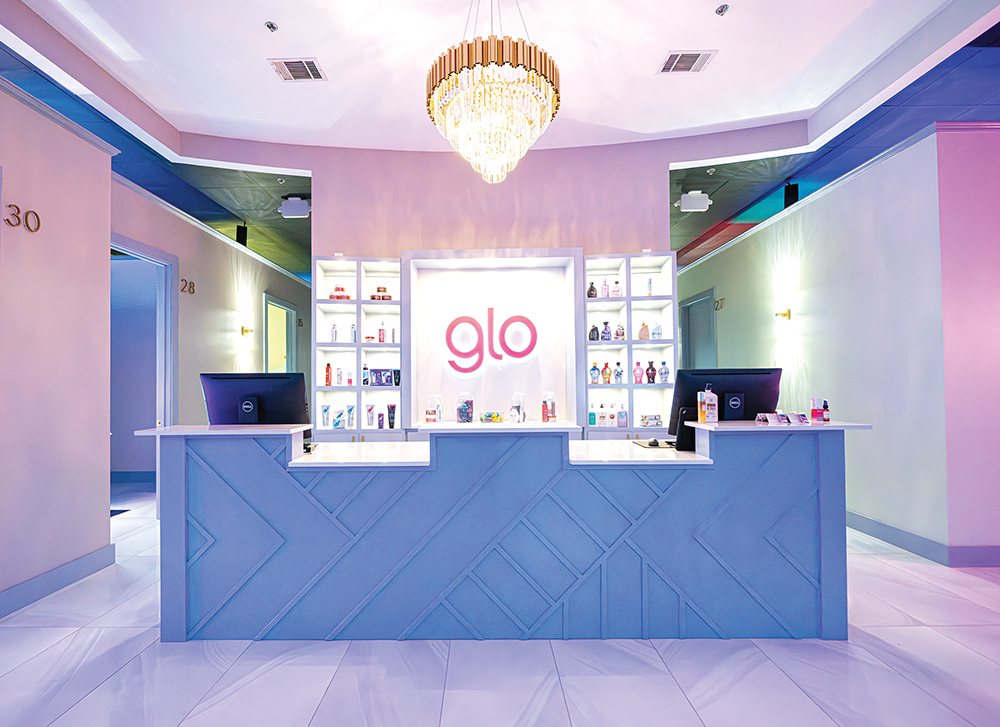
Glo Tanning
Last year not ranked, this year jumped to No. 328
Automation is upending all kinds of business models. Even tanning salons.
Glo Tanning has been in business for 16 years. When it began franchising in 2020, it only had 16 locations, all corporate-owned. Today, including franchises, there are 105 locations, with 30 slated to open early this year. “Our goal is to open another 100 in 2026,” says Quinn Cooper, director of franchise development. The brand aims to be in nearly 30 states by the end of 2026.
It’s impressive momentum, especially considering the industry’s history. The tanning industry peaked around the mid-1990s, and is significantly smaller today — but serving the same demographic of women (the average customer is a 51-year-old white woman, Cooper says). So while the user base may be slower to expand, user loyalty is there in spades.
Plus, labor costs are lower because “a lot of the equipment has been automated,” Cooper says. For example, salons once needed humans to serve as spray-tan artists. But that made the service hard to expand. Now Glo Tanning has spray tan machines. A client just has their preferences set for them, and everything is automated.
Related: Five Steps to Building a Strong Culture Across Franchise Locations
“We have an aqua-massage bed called the Wave,” he says. “Most of our salons have massage chairs that are complimentary to guests. We have sauna pods that will hydrate your skin, and we’ve had red-light therapy since 2019. We were a first mover on that, and now we have multiple red-light services. That gives us something for UV tanners and for non-UV tanners.”
Thanks to targeted marketing and a slate of new services, Glo Tanning’s average customer is 36 years old — younger than the typical tanning salon customer. “It’s an attainable luxury,” he says. “Our all-in cost for a monthly membership is $69. That gives you unlimited access to the entire salon.”
For franchisees, the average piece of tanning equipment is $25,000 to $40,000, so opening a location costs about $1 million. The corporate office helps with site selection and construction. “The electricity and HVAC required to run a salon is significant,” Cooper says. “We have to do a lot of upgrades to make the spaces functional. Hard costs and equipment are big line items, but once you’re open, you’ve front-loaded your expenses and your margins are higher.”
As a result, he says, Glo Tanning has never had a salon close, and fewer than five franchises have been resold. “We figured out the technology, the training, the value proposition,” he says. “Now we’re focused on building the franchise portion.”
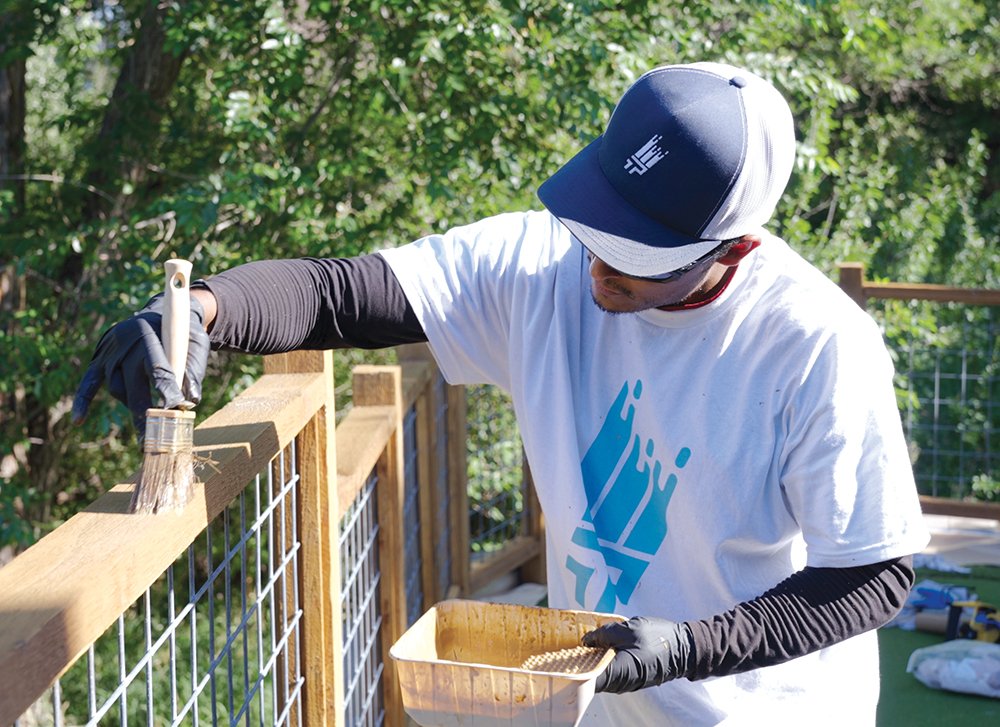
That 1 Painter
Last year ranked at No. 443, this year jumped to No. 230
Invest in your managers, and your franchisees’ profits will grow.
That 1 Painter is evidence of that. The company was founded in 2011 by Steven Montgomery, the CEO of ResiBrands, and started franchising in 2021. It added 179 units in the past year, with 258 new units over three years.
“We saw a tremendous increase in units in 2024,” says brand president Tyler Colby. “One thing we do differently is trying to make sure the owners are dominating their local markets.”
To accomplish that, the brand recently switched up its training program for location managers. It wanted to address a very real problem: “We saw a high level of turnover for location managers,” says Colby. “It’s hard keeping salespeople around in the home sales industry. We wanted to eliminate that by giving them very specific training.”
The company had always offered a five-day program for all franchise owners, including about 70 hours of online training, and it includes managers in that same program. But in 2025, That 1 Painter added an additional three days just for location managers — who are the people that drive new business leads, and could benefit from additional guidance and support.
Related: Think You’re Ready to Franchise Your Business? Here Are 8 Things You Need to Consider First
It worked for anyone who showed up to the training. Colby says: “We’re up in the high double-digits for sales over 2024. Our first training was in July, and our close rate went up five points since then, and that makes our owners more profitable.”
What made this training so powerful? Here’s the most important part, Colby says: It was in person and customized. Online training is still available, he says, but nothing beats being in a room with your peers, learning how to do things like respond to a customer’s objection. In the past, Colby says, “the location managers would mix with the owners. Now, they sit in a room with 10 other people who are going back to their state and doing the same exact thing. Now they know each other, and can call each other up. That goes a long way.”
That 1 Painter also does location visits every 12 to 18 months for all franchises, shadowing and coaching the teams on production sites and bids.
“One of my coaches went out on a field visit and came back with [a suggestion],” Colby says. “Now, part of our process is that we have the salespeople ask for the job on the spot. That helped with our growth too.”
The lesson, in short: Invest in sales, and growth follows.
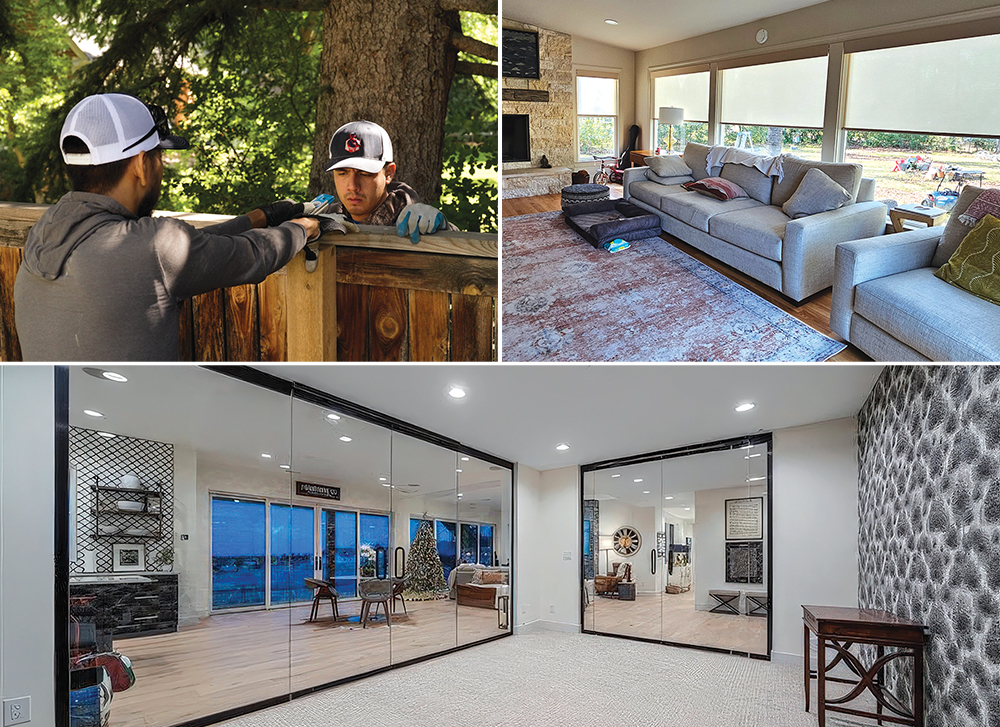
HorsePower Brands
Last year not ranked, this year jumped to No. 255 (Gatsby Glass) No. 266 (Bumble Bee Blinds), and No. 267 (Stand Strong Fencing)
To grow its franchises, HorsePower Brands decided to rethink who it sold franchises to.
That effort has already paid off. HorsePower owns nine franchise brands, and three of them — Gatsby Glass, Bumble Bee Blinds, and Stand Strong Fencing — went from not being ranked at all in 2025, to jumping over half the list.
HorsePower CEO Tony Hulbert says the upward trajectory started in 2023, when the company looked for patterns among its brands’ top-performing franchisees. It identified what it calls “all-in owner-operators” — people who have no other business to concentrate on, and fully focus on their HorsePower brand. Then HorsePower asked itself: How can we get more of those people?
To do this, they changed the way that recruiters talk about successful franchisees.
Related: How to Invigorate Growth and Balance Control in Your Business With This Franchising Model
“We are selecting business owners who want to be all in,” Hulbert says. “We talk about the all-in mindset of being a business owner. If we just consistently speak to what the successful attributes are, people will self-select themselves out. I also don’t talk about franchising. I talk about business ownership. People think that if it’s a franchise, all these things are solved for me. That’s not the case. You’re a business owner, and it’s always going to land at your feet to figure out how to make the business successful.”
In addition to rethinking its franchisee recruitment, HorsePower Brands also rethought its corporate team recruitment. In late 2023, the company moved to a remote-work model. This allowed it to recruit the best talent, wherever they are. For example, it recruited a new vice president and brand driver for Stand Strong Fencing. “He’s been in fencing for 25 years,” Hulbert says. “He’s an incredible leader who has attracted additional talent from the fencing industry.”
HorsePower Brands also brought in an AI tool that helps coach sales and design consultants at its brands. “It listens to Zoom conversations with the consumer, and then later, it provides coaching,” he says. “For the homeowner, we present it as: ‘It’s taking notes so we can follow up.’”
AI systems are now also booking appointments for franchisees. “We have this live with four brands now,” he says, “and we expect to roll it out for all our brands. We’ve been testing that since March 2025 to make sure it’s right for the customer.”
In short, HorsePower proves an industry truth: To succeed in franchising, you must find and support the right people.
Freeway Insurance
Last year not ranked, this year jumped to No. 224
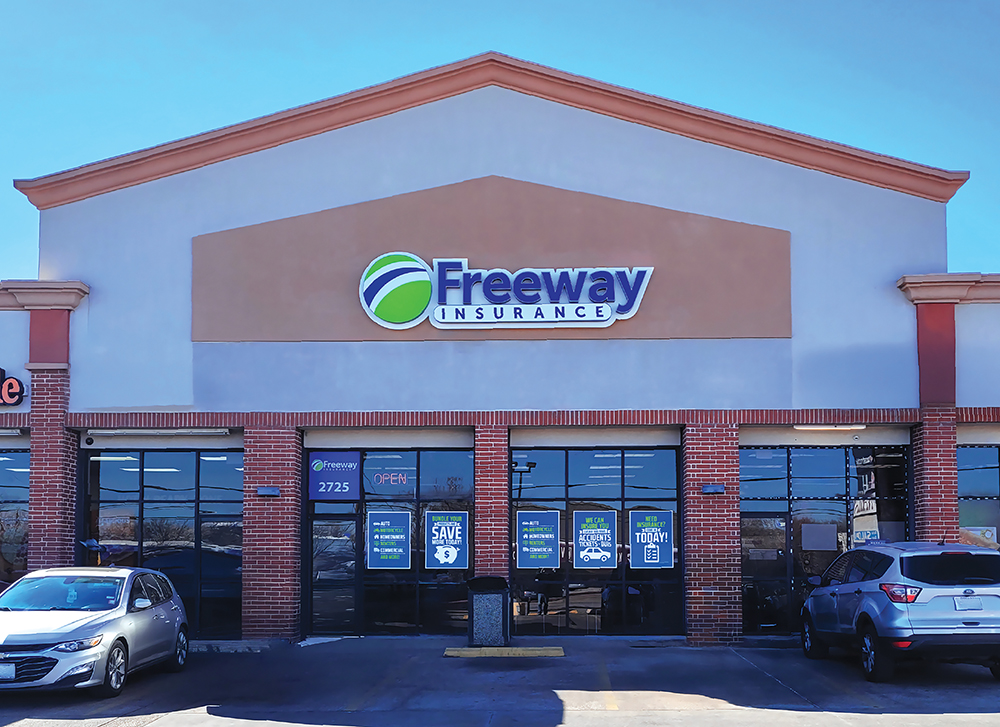
Freeway Insurance didn’t originally set out to become a franchise. But now that it’s embraced the franchising model, it’s seeing tremendous growth and success.
The company was started in 1987 and purchased in 2008 by insurance distributor Confie. At that time, “We decided we wanted to grow through acquisitions,” says Alex Trachtman, senior vice president of franchise sales and operations. “We wanted to be the fastest-growing insurance broker out there. We started to acquire other companies and open new stores.”
But management eventually realized that, although they had a very successful corporate blueprint, resources limited them to opening about 30 stores a year.
That’s why, in 2021, Freeway decided to try franchising as an additional growth strategy. It worked: The company has since opened 65 franchises (in addition to its 600-plus corporate locations) and is now operating in 28 states.
Related: From Dog Grooming to Acai Bowls — What’s Making These Brands Grow So Fast?
Trachtman believes its quick success with franchising was due to the troubleshooting and processes it created while scaling its corporate locations.
“We were doing this for ourselves at our corporate stores,” Trachtman says. “All the support teams — marketing, licensing, IT, customer service, quality control — all of that was in place and providing services. It was not that hard to put that to use for our franchising model.”
The company also spends significantly to generate leads, he says. Freeway Insurance owns its own marketing agency, produces its own commercials, has a digital marketing team, employs a creative staff to make commercials, has a branding department, and more. “We just became a premier sponsor for NASCAR for 2026,” says Trachtman.
But while the company’s marketing agency is great for national opportunities, Freeway has recognized that it must lean on franchisees for more local advertising.
“Grassroots advertising in too many areas wouldn’t be efficient for us,” he says. “So we encourage our franchisees to focus on getting to know people, going to events. Go to the church, put flyers out there. You’ll get walk-in traffic just because of the brand recognition, but if you want to be successful, you have to get out into your community.”
That local touch can make all the difference.
Sign up for our weekly Franchise newsletter to get the latest franchise news, advice and opportunities. Get it in your inbox.
