Everything You’ve Heard About New Year’s Resolutions Is Wrong. Use This Strategy From a Harvard-Grad Psychology Expert Instead.
Caroline Adams Miller reveals how to achieve the goals you set.
Key Takeaways
- Miller is one of the leading experts on the science of successful goal-setting.
- Most people don’t fail because they lack discipline or willpower, Miller says.
- Here’s what goes into setting a goal that’s ambitious and achievable.
Have a list of New Year’s resolutions you’re hoping to keep in 2026? You might want to reconsider how you approach them.
Some of the most prevalent goal-setting beliefs and strategies could derail your success from the start, positive psychology expert Caroline Adams Miller tells Entrepreneur.
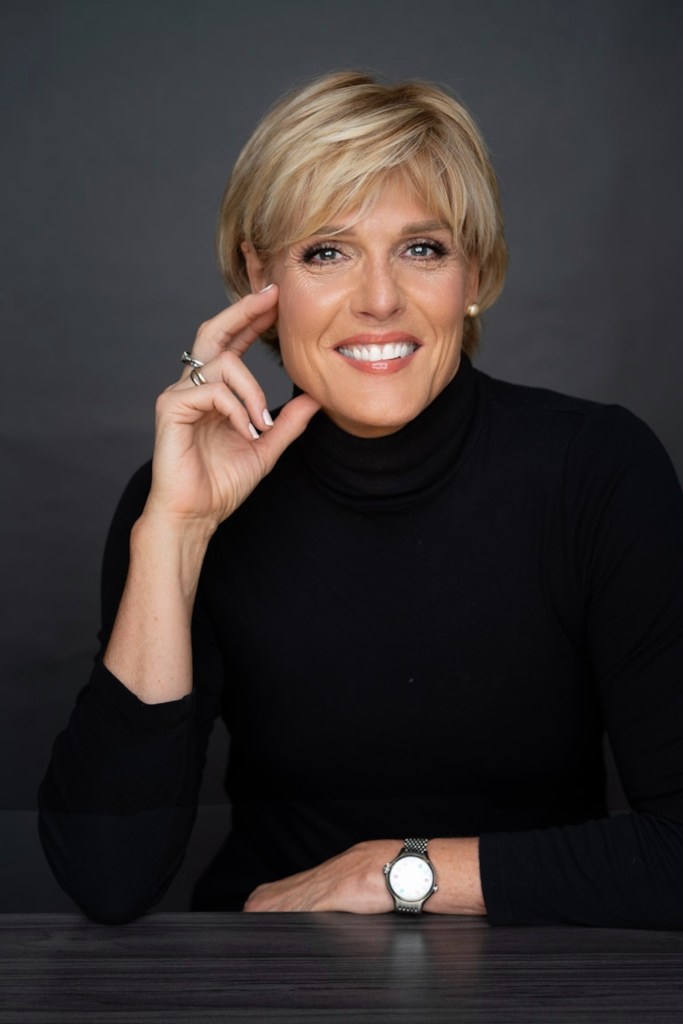
Miller, a Harvard University alumna with a master’s in applied positive psychology from the University of Pennsylvania, is one of the leading experts on the science of successful goal-setting and the use of “good grit” to achieve hard things.
Miller found her way into the field through overcoming a battle with bulimia in her early twenties, and in the decades since, has leveraged her experience and education as an executive coach and bestselling author, including her most recent title, Big Goals: The Science of Setting Them, Achieving Them, and Creating Your Best Life.
Entrepreneur sat down with Miller to unpack some of the widely held misconceptions when it comes to setting and achieving goals — including ambitious New Year’s resolutions — and the strategies that are more likely to lead to success.
Most people fail at goals because they set goals in isolation.
First, people often think they’re incapable of achieving their goals because they lack discipline or willpower, but that’s typically not the case.
“ Most people fail at goals because they set goals in isolation and they don’t take into account energy, emotion, relationships, the use of character strengths,” Miller explains, “or even this powerful finding in 2005, that all success is preceded by being happy first.”
According to Miller, being in an emotionally flourishing state, which encompasses positive emotions like contentment, satisfaction, love, joy and more, is “the rocket fuel for achieving goals.”
Related: Why Most Entrepreneurs Fail at Turning Goals Into Action (And How You Can Succeed)
Additionally, people make the mistake of thinking they need to set numerous goals at once — including too many that involve willpower.
“ You have to usually pick one,” Miller explains. “The research shows that when you isolate a willpower goal — lifting weights, losing weight, quitting smoking, reining in your spending — [and] work on one area, it tends to spill over into another area of your life without you even focusing on it.”
Most goals are not specific enough.
It’s also helpful to avoid setting goals that are overly vague or open-ended; the “just go out and do your best” mentality is often too imprecise to translate into real results.
“Goal-setting theory says it has to be challenging and specific to get the best outcomes,” Miller says. “Most goals are not specific enough.”
What’s more, people should try not to fall into the trap of thinking they’ve done more work toward their goals than they really have. It’s why the common advice to “visualize your success” can actually backfire.
“ You can’t hit a target you can’t see,” Miller acknowledges, “but then you have to come back to where we are today. It’s called mental contrasting. Say, What are the obstacles that are going to be in my path that I have to have strategies to overcome?”
It’s really important to be surrounded by people who have zest.
Seeking out people who are a positive influence — and want the best for you — can help pave the way for success.
Make sure the people in your circle are curious and enthusiastic about what you’re doing and how you’re doing it, Miller says.
“ It’s really important to be surrounded by people who have zest, who have optimism about their future because it’s a contagious quality,” Miller adds. “It’s a contagious behavior. Even grit is also considered contagious because it’s small decisions and behaviors that actually cause someone to do a little bit more than someone who quits.”
Related: SMART Goals May Be Holding You Back — Try This Effective Goal-Setting Technique Instead
As valuable as it is to have people cheering you on, it’s also important to have those who challenge you, too, Miller says.
Miller points to Katie Ledecky, the swimmer who is the most decorated American woman in Olympic history, and who happened to grow up around the corner from her, as an example of what happens when the people around you support your goals — but also push them further.
When Ledecky was in eighth grade, before she’d even competed outside of the country, her coach asked her what the best thing she could achieve in the coming year would be. Ledecky said making the Olympic team, and her coach encouraged her to think of something harder — something even better.
“He challenged her because he knew her capacity for hard work, and he saw greatness in her in a way that she didn’t see in herself yet,” Miller says. “When you’re going to pursue goals, particularly hard goals, you want people who are going to challenge you because they might be able to see something you’re capable of doing before you can see it.”
Key Takeaways
- Miller is one of the leading experts on the science of successful goal-setting.
- Most people don’t fail because they lack discipline or willpower, Miller says.
- Here’s what goes into setting a goal that’s ambitious and achievable.
Have a list of New Year’s resolutions you’re hoping to keep in 2026? You might want to reconsider how you approach them.
Some of the most prevalent goal-setting beliefs and strategies could derail your success from the start, positive psychology expert Caroline Adams Miller tells Entrepreneur.
Miller, a Harvard University alumna with a master’s in applied positive psychology from the University of Pennsylvania, is one of the leading experts on the science of successful goal-setting and the use of “good grit” to achieve hard things.