This Fintech Giant Plans to Cut One-Third of Roles By 2030. Here’s Who Will Be Impacted, According to Its CEO
The CEO warns of a “very big shift” for white-collar workers in the coming years.
Key Takeaways
- Klarna CEO Sebastian Siemiatkowski expects the company’s headcount to fall from about 3,000 employees to under 2,000 by 2030, largely due to AI.
- The workforce has already been cut by roughly half since 2022, from around 7,000 to 3,000 people, through layoffs and “natural attrition” as employees choose to leave and are not replaced.
- The roles most likely to remain at Klarna are those built on “human connection,” such as managing relationships with retailers and partners.
Klarna CEO Sebastian Siemiatkowski projects that the “buy now, pay later” provider’s headcount will decrease by about one-third by 2030, from 3,000 employees today to under 2,000. The CEO points to AI taking over a growing share of white-collar work as the culprit. He says that the jobs that endure will be the ones grounded in human relationships, rather than repetitive work that AI can easily replace.
On an episode of the 20 VC podcast that aired this week, Siemiatkowski said he expects his workforce to shrink, but not because of layoffs. Instead, Klarna is relying on “natural attrition” of about 20% each year, as employees choose to leave their jobs and are not replaced. In his words, employees spend an average of “five years” at Klarna before deciding to leave.
Between attrition and layoffs, the fintech company has already whittled down its workforce from around 7,000 employees in 2022 to about 3,000 today. Siemiatkowski openly tied that shift to an aggressive internal rollout of generative AI, which he argues lets the company “do much more with less.” What’s more, Klarna froze most hiring outside engineering starting in 2023, relying on AI tools to absorb work previously handled by humans.
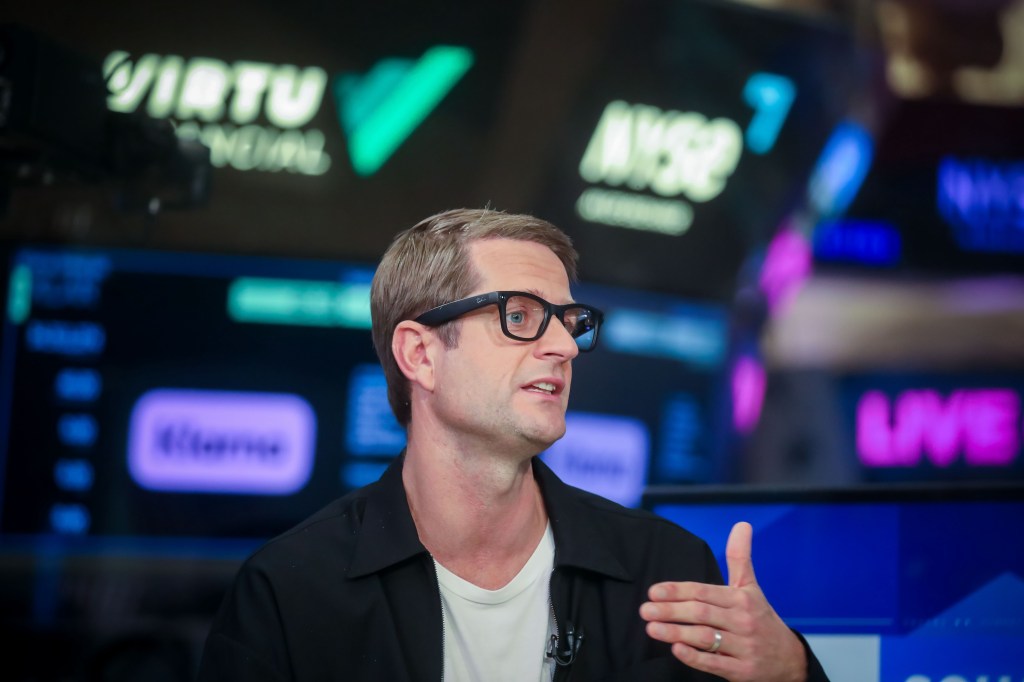
In early 2024, Klarna launched a customer service chatbot that it claimed could do the work of over 700 full-time human agents. In September, the company went public on the New York Stock Exchange at a valuation of $15 billion. The “buy now, pay later” provider is worth $7.4 billion at the time of writing.
Roles that will remain
Siemiatkowski said that AI would not replace jobs at Klarna requiring “human connection,” highlighting employees who work directly with retailers and businesses that depend on relationships with clients.
“I have people in Portland talking to Nike, I have people in China talking to Shein, I have people in Amsterdam talking to Adyen,” Siemiatkowski said. “I’m still going to argue that it’s going to be vital to offer a human connection there. So those jobs will remain.”
The rest of white-collar jobs will shrink, Siemiatkowski predicted. He aligned his stance with that of Anthropic CEO Dario Amodei, who warned last year that AI could eliminate half of all entry-level jobs and lead to an unemployment rate of 10% to 20%. Amodei further predicted in January that AI could replace software engineers within six to 12 months.
“I’m more in Dario’s camp. I want to be honest about the fact that I do think there’s going to be a very big shift,” Siemiatkowski said.
Another tech CEO, Elon Musk, predicted last year that as AI progresses, work will become “optional,” like playing sports and video games. He said he envisions an AI future where machines maintain society, freeing humans to focus on personal fulfillment.
Siemiatkowski agreed with Musk’s perspective as well, stating that AI “might lead to a golden age of humanity.”
Sign up for the Entrepreneur Daily newsletter to get the news and resources you need to know today to help you run your business better. Get it in your inbox.
Key Takeaways
- Klarna CEO Sebastian Siemiatkowski expects the company’s headcount to fall from about 3,000 employees to under 2,000 by 2030, largely due to AI.
- The workforce has already been cut by roughly half since 2022, from around 7,000 to 3,000 people, through layoffs and “natural attrition” as employees choose to leave and are not replaced.
- The roles most likely to remain at Klarna are those built on “human connection,” such as managing relationships with retailers and partners.
Klarna CEO Sebastian Siemiatkowski projects that the “buy now, pay later” provider’s headcount will decrease by about one-third by 2030, from 3,000 employees today to under 2,000. The CEO points to AI taking over a growing share of white-collar work as the culprit. He says that the jobs that endure will be the ones grounded in human relationships, rather than repetitive work that AI can easily replace.
On an episode of the 20 VC podcast that aired this week, Siemiatkowski said he expects his workforce to shrink, but not because of layoffs. Instead, Klarna is relying on “natural attrition” of about 20% each year, as employees choose to leave their jobs and are not replaced. In his words, employees spend an average of “five years” at Klarna before deciding to leave.
Between attrition and layoffs, the fintech company has already whittled down its workforce from around 7,000 employees in 2022 to about 3,000 today. Siemiatkowski openly tied that shift to an aggressive internal rollout of generative AI, which he argues lets the company “do much more with less.” What’s more, Klarna froze most hiring outside engineering starting in 2023, relying on AI tools to absorb work previously handled by humans.