Kickstarter Was in Decline. Then It Had Its Biggest Year Ever. Here’s What Changed
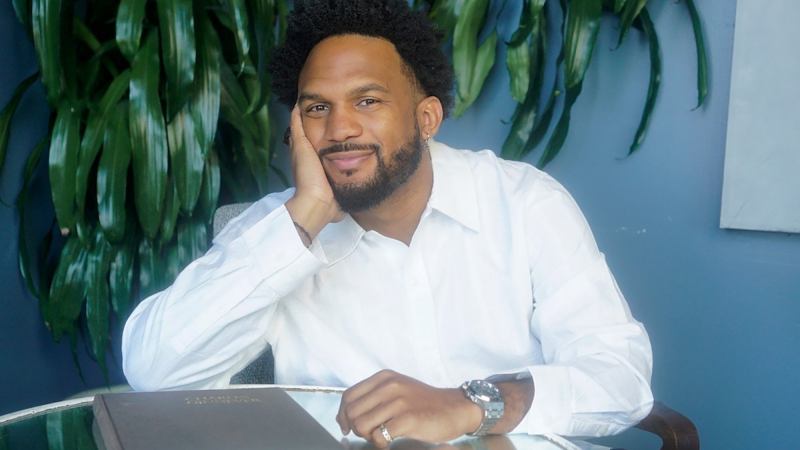
CEO Everette Taylor is turning Kickstarter into a full-service engine for creators.
Opinions expressed by Entrepreneur contributors are their own.
When Everette Taylor became CEO of Kickstarter in late 2022, he took over a company in decline. Kickstarter had once pioneered the idea of online crowdfunding, but its revenue was down 20% year over year.
“The light was dimming a bit,” Taylor says. “You had increased competition, and the company was like, ‘Here, take it, try to fix this thing.'”
Three years later, Kickstarter has a different story to tell. Revenue has grown every year — and 2025 became the company’s best year in history, both in terms of revenue and amount of dollars spent on the platform.
So, what changed?
“It’s something that a lot of CEOs and entrepreneurs should be doing,” Taylor says. “Just listen to your audience.”
Taylor and his team talked to creators — that is, the people who launch campaigns on Kickstarter — and identified all sorts of pain points. For example, creators often struggled to build highly optimized campaigns, and then struggled to fulfill purchases after a successful campaign. This had given rise to an ecosystem of third party companies, which promised to help people launch and manage their Kickstarter campaigns.
Taylor realized: Kickstarter should be offering those services itself.
“Kickstarter has only ever made money in one way — taking a cut of every dollar spent on the platform,” he says. “But there’s a lot of other ways we can potentially make money.”
Kickstarter’s product engineering team started to build what Taylor thinks of as Kickstarter 2.0 — a more “professionalized” service with end-to-end creator support, including performance marketing services and a pledge manager to help with shipping and taxes.
More services followed. Kickstarter launched a “late pledges” feature, which grew 30% year over year, and helped creators get more funding from their communities after a campaign had officially ended. A new “pledge over time” feature lets supporters make payments over a few months, instead of all at once, which helped more people pay higher-dollar pledges.
“That’s why we’re seeing our average pledge number going up: People can afford it if they split the payment up, to get higher-ticket items on the platform,” Taylor says. “These things may seem like no-brainers, but Kickstarter hadn’t done them.”
The company also started to be more responsive to creators’ changing needs. When fast-changing tariffs started to impact its creators, for example, Kickstarter began offering systems to help manage the fluctuating shipping costs.
Taylor also shifted the brand’s marketing and messaging, so that it felt more aligned with today’s creator economy. He wanted to squash any perception that Kickstarter is just a place where people beg for money.
“We spent a lot of effort on marketing about how this is reward-based crowdfunding,” he says. “Some of the biggest brands in the world use Kickstarter to launch new products. Celebrities, big names use Kickstarter to tap into our audience — not necessarily because they need the money to crowdfund, but they want to take advantage of the millions of people who use Kickstarter.”
As a result of all this, spending on the site surged. The largest campaign in Kickstarter history happened last year, at $46.7 million. It was a campaign for eufyMake, a $2,500 3-D texture UV printer from Anker, a multibillion-dollar tech company in China.
“Our biggest category on Kickstarter is design and technology. That category alone this year grew almost 70%,” Taylor says. “Think about a category that was already our largest category growing almost 70%. That was what happened in 2025.”
Kickstarter also started building strategic partnerships with other companies, as a way of offering creators more support. As one example, last year Kickstarter created a partnership with the free streaming platform Tubi. This means filmmakers can crowdsource funding for a project on Kickstarter, and then get distrubtion help through the Tubi partnership.
Now Taylor is thinking beyond the idea of crowdfunding. He instead says Kickstarter is building the future of social commerce — and creating the future of the creator economy itself.
“Creators large and small see that the social media landscape is changing,” he says. “If you post something on Instagram or Threads or whatever, only a small percentage of your audience sees it. On Kickstarter, everyone gets notified with emails. You can galvanize your biggest audience online and be able to do commerce with your audience. It’s very, very special.”
When Everette Taylor became CEO of Kickstarter in late 2022, he took over a company in decline. Kickstarter had once pioneered the idea of online crowdfunding, but its revenue was down 20% year over year.
“The light was dimming a bit,” Taylor says. “You had increased competition, and the company was like, ‘Here, take it, try to fix this thing.'”
Three years later, Kickstarter has a different story to tell. Revenue has grown every year — and 2025 became the company’s best year in history, both in terms of revenue and amount of dollars spent on the platform.