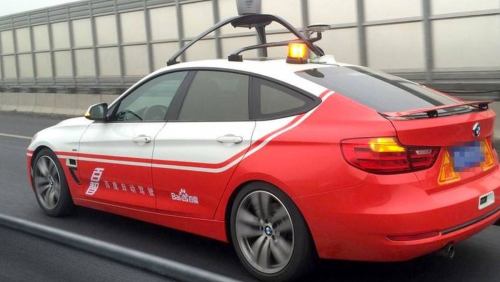
A driver crashed earlier this month while on a commuter highway after the car failed to avoid a vehicle parked on the left side, partially in the roadway, damaging both cars but causing no injuries.
It remains more promise than product, but the electric vehicle sector is drawing more talent from mainstream automakers that are reluctant to go full tilt at the new technology.
Non-automakers and start-ups have rushed to begin making electric vehicles and hybrid vehicles as China's central government liberalizes the industry to promote a switch to electricity as an ultimate replacement for petrol to fuel cars.
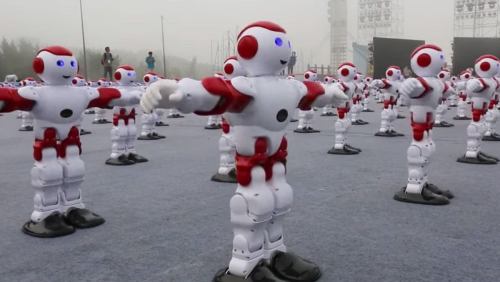
Down a side street bracketed by massage parlors and cheap hotels in this city on the banks of the Yangtze River, a humanoid food service robot trundles around the corner of a table in a cafe, red eyes flashing in tune with synthesized classical music.
The two companies on Monday confirmed the sale of Uber China to its bigger rival, ending a two-year, money-losing effort to break into one of the world's toughest markets.
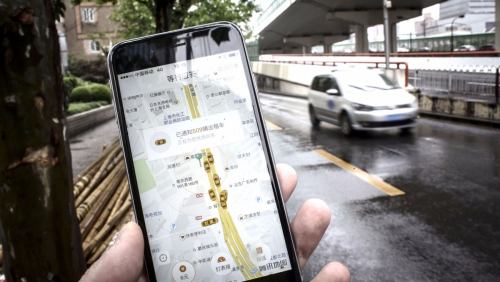
China last week issued guidelines that establish a long-awaited framework for the booming ride-hailing industry and remove uncertainty for firms such as Didi and Uber.
The U.S. fast food company had announced in March it was reorganizing its Asian operations by bringing in partners who would own the restaurants within a franchise business.
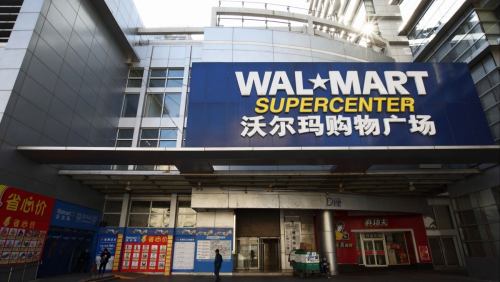
The deal will see the U.S. grocery giant swap its Yihaodian platform for a 5 percent stake in JD.com Inc., worth about $1.5 billion by the firm's latest market value.
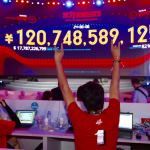
Echoing that growth, Chairman Jack Ma said Alibaba expects to have 2 billion consumers on its books by 2036, up from 423 million active buyers in 2016.