Spiraling donations and outdated dogmas around fundraising and operating costs have left many charities struggling to stay afloat. Some are trying new strategies to make money.
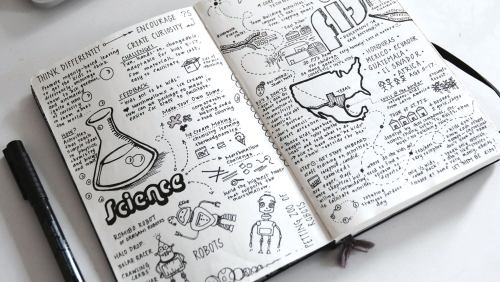
Zūm started out selling its "Uber for kids" service to parents. But then its founder realized they could sell to school districts, and have a much bigger impact. Of course, that was easier said than done.
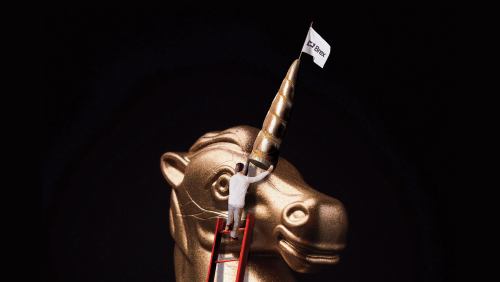
Brex made a corporate credit card that was a runaway success. But when they started making a bunch of other stuff, things went south. So they came up with an ambitious plan to reverse course.
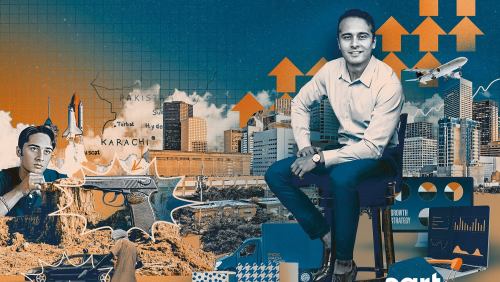
Two decades ago, Omair Tariq survived a nightmare that left him with deep trauma. But the ordeal also gave him a ravenous drive to succeed.And he funneled that ambition into founding a billion-dollar business.
A little-known but common obstacle for women founders, the "Series B Cliff" can make scaling a company extremely difficult. Krawcheck is doing everything she can to help founders like herself get around it.
When Sidra Qasim and Waqas Ali landed in the U.S. not knowing a word of English, they had no idea how far their entrepreneurial journey would take them.
Shoaib Makani left venture capital to create a compliance app called Keep Truckin' (now Motive). But getting the industry to use it was more complicated than he thought.
FarmHouse Fresh founder Shannon McLinden decided that she wanted to use the company's resources to rescue neglected farm animals. Now, they keep the staff grounded at HQ.