This Former Deloitte Consultant Cracked the Code on Scaling Startup Teams Without Burning Them Out
Anna Lenhardt, founder and CEO of Lenhardt Partners, shares how she built a business that keeps culture at the forefront as startups scale.
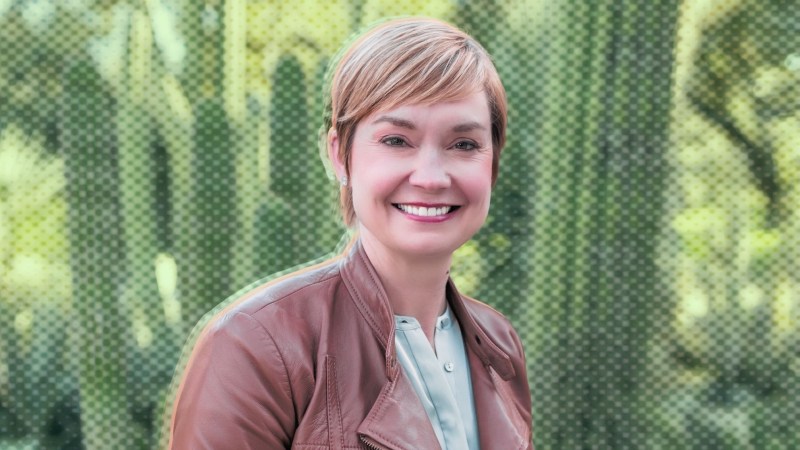
Anna Lenhardt is the founder and CEO of Lenhardt Partners, a company whose mission is to help venture-backed startups build people systems that scale. “We come in when things are moving fast and founders realize their structure, leadership, and culture are starting to lag behind the business,” she told Entrepreneur.
Lenhardt believes that HR will be “one of the biggest transformation agents” in the age of AI. “That’s why my work focuses on what I call Human Intelligence — designing how people, teams, and technology work together so companies can grow without burning out their people or breaking what makes them special,” she explains.
Lenhardt knows firsthand about the real threat of burnout and shared her experience of building a company that aims to help other entrepreneurs overcome the many challenges that successful startups will face.
Can you tell me about a time you made a decision that everyone around you disagreed with and what happened next?
I began my career at McKinsey & Company, then refined my HR expertise as a consultant at Deloitte and went on to help Oscar Health and Hippo Insurance scale and prepare to IPO on the New York Stock Exchange. Starting my own business, Lenhardt Partners, was risky. But I moved ahead anyway because I trusted the pattern I had seen over two decades: when founders invest in people and structure early, they move faster and break less. That conviction has guided the firm from day one and shapes how I advise leaders when they are tempted to chase trends instead of building solid foundations.
Please tell us one “holy @#$!” moment about running your business.
Last year, I realized I was working 100 hours a week and had become burnt out. It was a wake-up call—especially because sustainability is something I advise my clients on every day. How I was operating was not sustainable, to say the least. I openly told the team I was maxed out and couldn’t take on any more work. And that I needed to pivot. And I did. I hired more leaders, established a new partnership for the business, delegated more work, and established a clear roadmap for our growth, roles and company evolution. That shift allowed us to double capacity without losing quality and reminded me that even as tools and automation improve, the real lever is still how we design roles, teams, and decision-making around human capacity.
What’s something small, like a daily routine or mindset shift, that changed the way you lead or perform?
Earning my master’s degree in counseling psychology fundamentally changed how I lead. It gave me a deeper understanding of how people think, react, and make decisions, which is essential when you are advising founders and executives in high-pressure environments. I also hold a master’s in the arts and am a classically trained opera singer, which means I take preparation and performance seriously. You do not step on a stage unprepared, and the same is true for leadership moments.
A simple daily practice that supports all of this is evening meditation. It helps me slow down, reflect, and stay clear-headed so I can make sound decisions and show up steadily when things are difficult. That mix of psychology, discipline, and reflection is the backbone of how I design people strategies that work in real life, not just on paper.
Please share one thing you wish you knew when you started out that people looking to get into your field should know.
HR is not a “nice to have” function. It is the operating system for how work actually happens. If you are entering this field, know that your job is to understand business and people deeply. It requires courage, clear judgment, and a strong spine.
We have high client retention and renewal (which is something we are particularly proud of because founders don’t keep advisors like us around unless the work is truly working), and many of our earliest clients are still operating, scaling and retaining talent with the help of the People foundations we helped build early on.
What does the word “entrepreneur” mean to you?
An entrepreneur is the person who signs their name on the bet and then looks their team in the eye when it is time to deliver. It means taking ownership of your vision and standing behind it completely. Entrepreneurs move first, and they are responsible for what happens next.
An early-stage founder once told me his girlfriend was running HR and his mother was handling payroll. He had just raised $100 million in funding. That conversation captured the reality of startup life for me. The ambition is huge, the capital is real, and yet the people’s foundations are sometimes held together by sheer duct tape. That is where my work begins: taking that chaos and turning it into a people strategy that can actually support the weight of the vision.
What is your definition of success and how has it evolved?
At first, success meant security for my family. Now it means building things that last. That could be a company, a culture, or a team that continues to thrive long after I’m gone. It means creating a meaningful life where I have a positive impact on others and on society. If you have a huge bank account but are a miserable person, you’re not truly successful. Success is about how we treat each other, how we build organizations rooted in values, and how we contribute something good to the world. I want to leave things better than I found them.
Anna Lenhardt is the founder and CEO of Lenhardt Partners, a company whose mission is to help venture-backed startups build people systems that scale. “We come in when things are moving fast and founders realize their structure, leadership, and culture are starting to lag behind the business,” she told Entrepreneur.
Lenhardt believes that HR will be “one of the biggest transformation agents” in the age of AI. “That’s why my work focuses on what I call Human Intelligence — designing how people, teams, and technology work together so companies can grow without burning out their people or breaking what makes them special,” she explains.
Lenhardt knows firsthand about the real threat of burnout and shared her experience of building a company that aims to help other entrepreneurs overcome the many challenges that successful startups will face.