‘The Ear Is the New Wrist’: The Wearable Tech Bet This CEO Made That Blew Past $1 Billion in Sales
Brandon Sawalich discusses the customer-focused strategy that allowed Starkey to double industry-standard growth benchmarks.
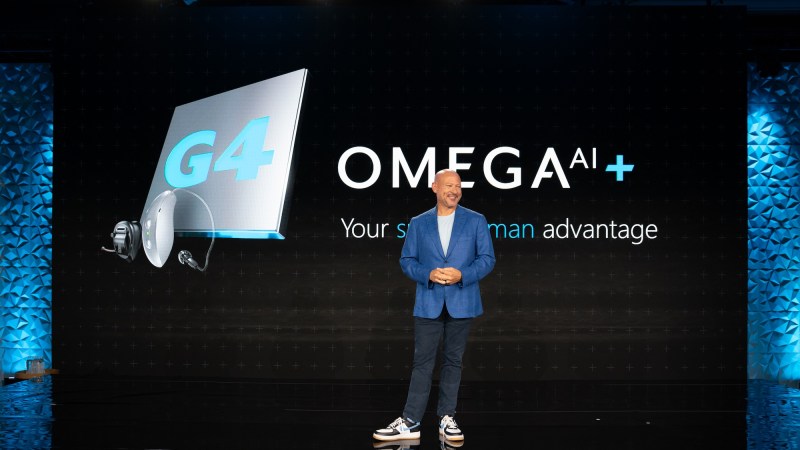
The last time I chatted with Brandon Sawalich, President and CEO of Starkey, his AI-powered hearing aid company was nearing $1 billion in annual revenue. Less than two years later, it blew past that milestone, with sales well over $1 billion and 8 to 10 percent growth in an industry that typically sees three to four percent. I caught up with Sawalich to find out how the AI “moonshot” he made in 2018 has more than paid off, and what better hearing means for our overall health. Answers have been edited for length and clarity.
Your business has grown massively since we last spoke. What do you think is the key to that?
People. It’s the talent and the people of Starkey. You’re not going to win a championship without a team. For me, it’s hire for attitude and develop the talent. Starkey’s culture is designed to foster innovation and the minds we have here. I don’t want to be the smartest person in the room. I want to hire the right team that knows what to do and the possibilities ahead of us.
You were the first to integrate AI into hearing aids, and now AI is a big part of every industry. How have you stayed ahead of the curve?
Yes, in 2018, we were the first to introduce AI into hearing aids, which can sort out background noise and make sound quality better for those who need it. Our success is not by accident. It comes from taking Starkey from a manufacturing company to a technology company. Today we’re one of the largest hearing aid technology companies in the world. There are five. We’re the only U.S. owned and operated. And for us, being privately held, we can focus our priorities on what’s best for the patient, our customer. I don’t have to worry about the needs and responsibilities of a public company. We can move with speed and be pretty agile. More and more people need hearing technology around the world as the population ages. We’ve also taking the lead on busting stigmas and educating people on what hearing health care is and what it means to have a hearing loss and the benefits to health of fixing it.
What are some of the benefits that people don’t always consider?
Hearing is essential. Our hearing connects us to our life, our environment, our work, our people. The more hearing loss you have, the more secluded you get, the more isolated. As your hearing loss gets worse, you don’t want to say “Huh?” or ask people to repeat themselves, so you start withdrawing. Hearing exercises your brain and keeps you active and keeps you in the moment.
When you were making your moonshot, were there certain things you wanted to make sure were in place before you said, “Let’s go for it”?
We had the instinct that we were in the right direction. You’re not going to get everything perfect, but you’re also going to go against a lot of doubters who say, “Well, that can’t be done,” or “That’ll never work.” If you listen to that, then you’re just being complacent, and in business that’s a slow way to die. And that’s just not my style or what Starkey’s been about.
The ear is the new wrist — that’s really kind of how it started, looking at everything that was going on with the Apple Watches and other health monitoring. We looked at our three core technology pillars: better hearing, health monitoring and personal assistance. I likened it to Jarvis from “Iron Man.” We’re really not in the hearing aid business. It’s a communication business. It’s really connecting people with people. That’s what we do.
I can barely see your hearing aid as we’re talking, and I only see it when you turn your head because it is blue. Do people standing behind you in line at Starbucks ask you about it?
It’s very small, and I got the blue color because I want it to pop. I want people to ask me about it so I can tell them about Starkey, and because hearing loss is not anything that someone should be ashamed about. That’s what this product does — it finds the person’s ability to perform, reconnects them to what they’re missing out on, and helps them be who they are.
The last time I chatted with Brandon Sawalich, President and CEO of Starkey, his AI-powered hearing aid company was nearing $1 billion in annual revenue. Less than two years later, it blew past that milestone, with sales well over $1 billion and 8 to 10 percent growth in an industry that typically sees three to four percent. I caught up with Sawalich to find out how the AI “moonshot” he made in 2018 has more than paid off, and what better hearing means for our overall health. Answers have been edited for length and clarity.
Your business has grown massively since we last spoke. What do you think is the key to that?
People. It’s the talent and the people of Starkey. You’re not going to win a championship without a team. For me, it’s hire for attitude and develop the talent. Starkey’s culture is designed to foster innovation and the minds we have here. I don’t want to be the smartest person in the room. I want to hire the right team that knows what to do and the possibilities ahead of us.
You were the first to integrate AI into hearing aids, and now AI is a big part of every industry. How have you stayed ahead of the curve?
Yes, in 2018, we were the first to introduce AI into hearing aids, which can sort out background noise and make sound quality better for those who need it. Our success is not by accident. It comes from taking Starkey from a manufacturing company to a technology company. Today we’re one of the largest hearing aid technology companies in the world. There are five. We’re the only U.S. owned and operated. And for us, being privately held, we can focus our priorities on what’s best for the patient, our customer. I don’t have to worry about the needs and responsibilities of a public company. We can move with speed and be pretty agile. More and more people need hearing technology around the world as the population ages. We’ve also taking the lead on busting stigmas and educating people on what hearing health care is and what it means to have a hearing loss and the benefits to health of fixing it.